Accueil Outils et Consommables
Outils et Consommables
Meilleurs postes à souder pour petits ateliers de fabrication
Classement de postes compacts adaptés aux petits ateliers: MIG, TIG, multi-processus et à électrode. Critères et sources consultées 04/09/2026.
Élodie Barbier 9 min de lecture
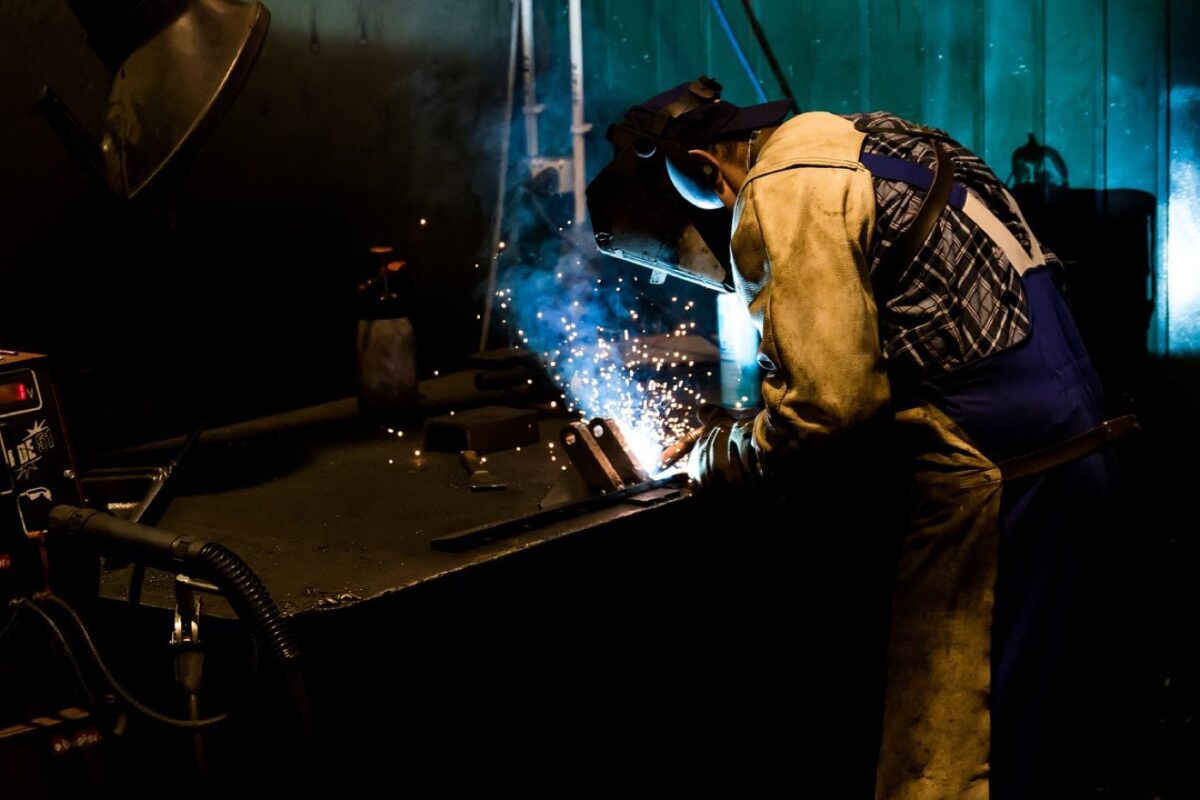
This page ranks compact welders suited to small metal fabrication shops and bench shops. The ranking covers machines commonly recommended for light production and repair work; ranking criteria are listed below — we do not invent specs; all claims are sourced (see Sources, accessed 04/09/2026).
Quick summary

This shortlist targets shop owners and managers who need a compact welder for short production runs, repairs, fixtures, and light fabrication. Expect a mix of compact MIGs, multi-process units, stick-capable machines, and a dedicated TIG suggestion for precision work.
Ranking criteria are listed below and informed by the cited reviews and community threads. Each model entry cites the sources used for that recommendation. All URLs were consulted 04/09/2026.
Ranking criteria
We applied these criteria to choose models appropriate for small fabrication shops. Each criterion explains why a shop owner should care.
- Suitability for common shop tasks (processes and material range) — Shops need machines that match typical jobs: sheet fabrication, light structural work, and repairs. Process support (MIG, FCAW/flux-core, TIG, Stick) matters because some tasks need TIG or stick for specific metals.
- Duty cycle / reliability / brand reputation — Shops rely on uptime. Reputation and reported reliability affect maintenance downtime and predictable output.
- Versatility (single-process vs. multi-process) — Multi-process machines save floor space but add complexity. Single-process units are simpler and often cheaper to run for focused tasks.
- Usability and setup — Ease of use, maintenance, and local support reduce the time technicians spend troubleshooting and training.
- Portability / footprint — Small shops value compact machines that fit limited floor space or that can be moved between benches.
- Price-to-value and operating costs — Consumables and whether the machine requires shielding gas or works with flux-core wire affect ongoing shop costs.
- Limits / compatibility (power requirements) — Knowing whether a unit runs on 120V or needs 240V determines installation and location options.
The ranking
We ranked 7 compact and shop-appropriate welders based on the criteria above and the cited reviews and guides.
Hobart Handler 140
Best for: general light fabrication and sheet-metal work in small shops.
- Why it stands out:
- Widely recommended for light shop and home use; reviewers note suitability for sheet metal and its popularity among beginners and small shops — source: https://weldingpros.net/hobart-handler-140-review/ — consulted 04/09/2026.
- Included in multiple buyer guides and roundups for beginner and compact MIG welders — source: https://weldingbench.ridgenotch.com/reviews/hobart-handler-140 — consulted 04/09/2026.
- Limitations / honest caveats:
- Not presented as a multi-process machine; shops needing TIG capability will need a separate unit (see TIG entry).
- Check manufacturer specs for power and material-thickness guidance before purchase.
- Specs to check before you buy: voltage requirement, wire diameter compatibility, gas vs. flux-core compatibility, spool-gun availability. Verify on the manufacturer product page.
Lincoln Electric 140-class (e.g., K2185 or equivalent)
Best for: shops that want a direct competitor to the Hobart 140-class MIG for light fabrication.
- Why it stands out:
- Listed as a common competitor to Hobart 140 in comparative guides — source: https://welderology.com/lincoln-140-vs-hobart-140/ — consulted 04/09/2026.
- Included across reviews and buyer guides as a 140-class option for small shops and beginners — source: https://weldguru.com/hobart-140-vs-lincoln-140/ — consulted 04/09/2026.
- Limitations / honest caveats:
- Differences versus Hobart often relate to feature set and user preference; verify what the model offers in terms of feed and accessory support.
- Specs to check before you buy: confirm voltage, wire feed compatibility, recommended material thickness, and accessory availability on the official product page.
Forney Easy Weld 140 series
Best for: budget-oriented shops and bench setups that need a simple flux-core or MIG-capable unit.
- Why it stands out:
- Often recommended as a low-cost, flux-core friendly option for home shops and small fabricators in buyer guides — source: https://www.bobvila.com/articles/best-welders-for-beginners/ — consulted 04/09/2026.
- Limitations / honest caveats:
- Flux-core operation has trade-offs versus MIG with shielding gas; consider finish and spatter when choosing flux-core for fabrication tasks.
- Verify support and parts availability if the model is a lower-cost brand.
- Specs to check before you buy: gas vs flux-core capability, wire sizes supported, and power requirements.
Miller Multimatic series
Best for: shops that need multi-process capability for MIG, TIG, and stick.
- Why it stands out:
- Multi-process machines like Miller Multimatic are cited as options for users needing TIG/stick capability in addition to MIG — source: https://welderslab.com/best-welders-for-beginners — consulted 04/09/2026.
- Guides list Miller as a multi-process pick for small shops that need versatility.
- Limitations / honest caveats:
- Multi-process units add complexity and cost; shops focused on a single process may prefer a dedicated machine.
- Specs to check before you buy: included processes, required power, warranty and local service options.
ESAB Rogue / ESAB multi-process and stick options
Best for: shops that prioritize stick capability or need a rugged multi-process option.
- Why it stands out:
- Independent guides list ESAB Rogue and ESAB multi-process/stick models as strong picks for home and small-shop stick/TIG needs — source: https://www.welders-supply.com/welding-equipment/stick-welders/best-stick-welder-for-home-shop/ — consulted 04/09/2026.
- Limitations / honest caveats:
- Stick-focused machines are less suitable where clean TIG finish or MIG-style productivity is required.
- Specs to check before you buy: process support, required input power, electrode compatibility, and local parts availability.
Everlast and inverter multi-process value options
Best for: budget-conscious shops seeking multi-process features with a lower upfront cost.
- Why it stands out:
- Community and guides note Everlast and similar inverter-based multi-process units as value-segment options; guides recommend checking support and warranty terms — source: https://www.welders-supply.com/welding-equipment/stick-welders/best-stick-welder-for-home-shop/ — consulted 04/09/2026.
- Forums discuss value trade-offs and the need to verify after-sales support.
- Limitations / honest caveats:
- Community posts flag warranty and support as critical checks for imported or value-branded equipment.
- Specs to check before you buy: warranty terms, local distributor support, consumables availability, and exact process coverage.
Dedicated small AC/DC TIG option (Lincoln/Miller/Everlast range)
Best for: shops that regularly weld aluminum or stainless and need precision finish.
- Why it stands out:
- Guides and community consensus recommend pairing a compact MIG with a dedicated TIG for precision stainless and aluminum work when finish and control matter — source: Reddit threads https://www.reddit.com/r/Welding/comments/1nfiqg8/ and https://www.reddit.com/r/Welding/comments/1jurhww/ — both consulted 04/09/2026.
- Limitations / honest caveats:
- Adding a TIG machine increases shop footprint and training requirements; confirm whether TIG is needed for your typical jobs before investing.
- Specs to check before you buy: AC/DC capability, foot or fingertip control options, gas requirements, and whether a spool gun or separate feeder is required for aluminum work.
How to choose for your shop
Match the machine to your shop profile:
- MIG-focused small fab — prioritize compact MIGs with good wire-feed and gas/flux-core flexibility.
- Fabrication plus TIG — consider a MIG paired with a dedicated TIG or a reliable multi-process unit if space allows.
- Mobile repair and outdoor work — stick-capable machines or flux-core MIGs may be more practical than shielded-gas MIGs.
- Budget bench shop — low-cost flux-core/MIG options can be adequate, but check parts and support before buying.
Always verify power availability (120V vs 240V) in your workspace and confirm local service options before purchase.
Comparison table
| Model | Best for | Processes supported | Power | Why choose | Limitations |
|---|---|---|---|---|---|
| Hobart Handler 140 | Light fabrication | MIG (flux-core possible) | Verify on manufacturer page | Widely recommended for light shop use (see WeldingPros review) | Not multi-process; verify specs |
| Lincoln 140-class | MIG competitor | MIG (flux-core possible) | Verify on manufacturer page | Common 140-class alternative to Hobart | Compare features vs Hobart before buying |
| Forney Easy Weld 140 | Budget bench | Flux-core / MIG variants | Verify on manufacturer page | Low-cost option noted in buyer guides | Flux-core trade-offs on finish |
| Miller Multimatic series | Versatile shops | MIG / TIG / Stick (model dependent) | Verify on manufacturer page | Multi-process flexibility cited in guides | Higher cost and complexity |
| ESAB Rogue / ESAB multi-process | Stick and multi-process | Stick / MIG / TIG (model dependent) | Verify on manufacturer page | Recommended for stick and multi-process needs | Less suited for TIG-finish-only work |
| Everlast / inverter multi-process | Value multi-process | Multi-process (model dependent) | Verify on manufacturer page | Value options noted; check warranty and support | Support and parts vary by brand |
| Small AC/DC TIG (Lincoln/Miller/Everlast) | Precision stainless/aluminum | TIG | Verify on manufacturer page | Needed when precision and finish matter | Adds cost, footprint, and training needs |
Warranty, support, and consumables — what to check
- Confirm local distributorship and authorized service centers for faster repairs and parts.
- Check manufacturer warranty terms on the official product page before buying.
- Verify availability of consumables (contact tips, nozzles, filler rods, electrodes) for the chosen brand locally.
What we don’t know
The site does not have an internal DATA-BANK of verified product specs as of 04/09/2026. We do not provide sales volumes, market-share figures, or price trends that are not present in the cited sources. Exact duty-cycle percentages, amp ranges, or specific numeric specs are not included here unless directly available on an official product or review page listed in Sources. Buyers should consult the manufacturer product pages for precise numeric specs before purchasing.
Sources and further reading
All URLs consulted 04/09/2026:
- Hobart Handler 140 review — WeldingPros.net. https://weldingpros.net/hobart-handler-140-review/ — consulted 04/09/2026.
- Hobart Handler 140 reviews roundup — WeldingBench (Ridgenotch). https://weldingbench.ridgenotch.com/reviews/hobart-handler-140 — consulted 04/09/2026.
- BobVila — Best welders for beginners. https://www.bobvila.com/articles/best-welders-for-beginners/ — consulted 04/09/2026.
- WeldersLab — Best Welders for Beginners (2025). https://welderslab.com/best-welders-for-beginners — consulted 04/09/2026.
- WeldGuru — Hobart 140 vs Lincoln 140 comparison. https://weldguru.com/hobart-140-vs-lincoln-140/ — consulted 04/09/2026.
- Welderology — Lincoln 140 vs Hobart 140. https://welderology.com/lincoln-140-vs-hobart-140/ — consulted 04/09/2026.
- Welders Supply — Best stick welders for home shop (ESAB/Rogue, Miller examples). https://www.welders-supply.com/welding-equipment/stick-welders/best-stick-welder-for-home-shop/ — consulted 04/09/2026.
- Reddit community thread (shop rig choices). https://www.reddit.com/r/Welding/comments/1nfiqg8/ — consulted 04/09/2026.
- Reddit community discussion on brand trust and value options. https://www.reddit.com/r/Welding/comments/1jurhww/ — consulted 04/09/2026.
Do small fabrication shops need a TIG machine?
It depends on the materials and finish required. TIG is often chosen for aluminum and stainless work where precision and a clean bead matter. Community discussions and buyer guides note that many small shops pair a compact MIG for general fabrication with a TIG for precision tasks (see Reddit threads and buyer guides cited above).
Is flux-core acceptable for small shops?
Flux-core can be acceptable for budget or outdoor work where shielding gas is impractical. Guides list flux-core-capable units such as Forney Easy Weld 140 as low-cost options, but note trade-offs in finish and spatter compared with gas-shielded MIG (see BobVila and Welders Supply sources cited above).
How to pick between 120V and 240V?
Checklist: verify available shop power circuits, confirm the machine’s required input on the manufacturer page, and consider whether mobility or higher output is needed. Do not assume a machine’s voltage class without checking the official spec sheet.

Rédactrice · travaux, rénovation, matériaux
Élodie se concentre sur les techniques de rénovation et l'utilisation des matériaux innovants. Elle s'assure de la véracité des contenus en se basant sur des études et des témoignages d'experts avant publication.
Dans Outils et Consommables
16 septembre 2026
New Plasma Power Source: A Game Changer for Home Metal Fabrication
15 septembre 2026
Features of the Grizzly Horizontal Miter-Cutting Band Saw
15 septembre 2026