Accueil Outils et Consommables
Outils et Consommables
Miller vs Lincoln : quel TIG pour hobbyistes ?
Comparatif Miller et Lincoln pour TIG amateur : similitudes, gammes (Diversion, Maxstar, Multimatic, Dynasty, Square Wave), ergonomie et choix selon usage.
Élodie Barbier 7 min de lecture

Miller vs Lincoln — which TIG is better for hobbyists? This comparison highlights what both brands offer, the practical differences reported by hobbyist communities, and which choice fits specific amateur use cases without naming a single overall winner.
What they share
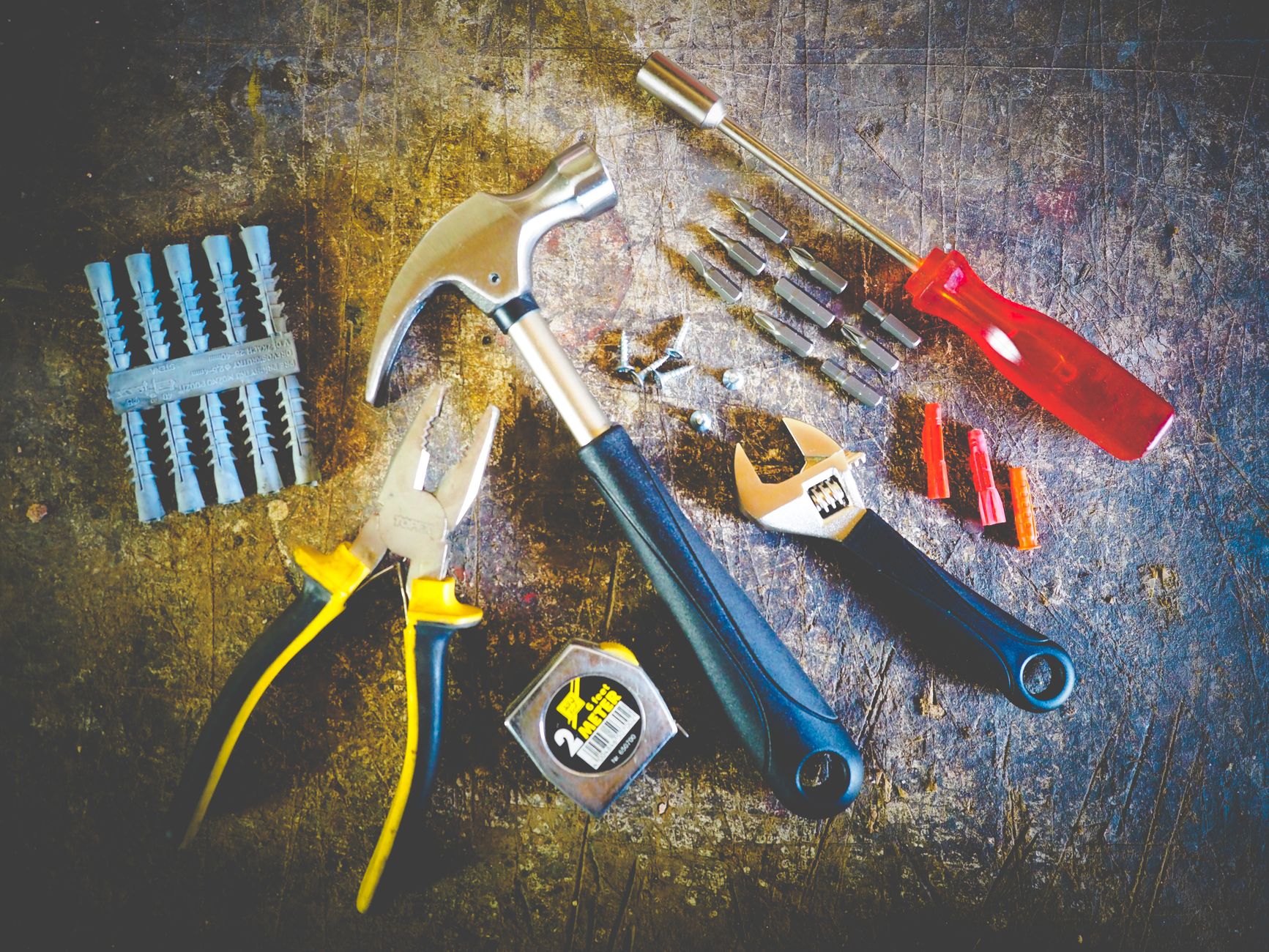
Both Miller and Lincoln offer machines that hobbyists and small shops use for TIG welding on steel and aluminum. Community discussions and product listings show models from each brand that support AC TIG for aluminum and multiprocess options that combine TIG with other welding modes. These similarities make either brand viable for a home workshop depending on priorities like portability, interface, and service.
Product pages and forum threads cited below indicate that certain Miller models and Lincoln Dynasty/Square Wave models are positioned to cover hobbyist needs. Availability of standard torches and common consumables across the market reduces friction when switching between brands or buying parts.
Product ranges and positioning
Miller’s lineup cited in community conversations includes dedicated TIG models (examples named by users include the Diversion and Maxstar series) and multiprocess units (Multimatic/Multimatic 220/215). That mix gives hobbyists options when they want a single machine for several processes versus a dedicated TIG machine.
Lincoln’s presence in hobbyist discussions centers on the Dynasty series and Square Wave TIG 200 models, which are often referenced for TIG-focused work. The brand’s positioning in threads suggests an emphasis on TIG performance that appeals to users prioritizing arc characteristics for finishing work.
Interface, ergonomics and learning curve
Forum reports describe Miller interfaces as straightforward and approachable for users who value simple controls and quick setup. That perception makes certain Miller models attractive for beginners or hobbyists who prefer minimal menu navigation during a session.
Community commentary frames some Lincoln units as more pro-oriented in their control layout, which can suit users who expect more granular control or who have prior TIG experience. For a hobbyist, this difference changes how quickly one becomes productive and how much time is spent learning the machine rather than welding.
Reliability impressions and service considerations
User threads show mixed reports: Miller models mentioned by hobbyists are often described as dependable for home use, while Lincoln Dynasty machines earn praise for TIG performance yet show varied reports on older-series reliability in some threads. These community-sourced impressions underscore the need to check model history and service options before purchase.
When buying new or used, the practical implication is to verify warranty terms, check service availability, and review forum threads specific to the exact model and serial period. Several of the cited discussions explicitly recommend such checks.
AC performance for welding aluminum
Communities and product listings note that true AC capability is required for consistent aluminum TIG results. Both brands have models referenced by users that provide AC TIG functionality. The reputations in forums indicate Lincoln’s Dynasty line is often associated with strong TIG performance, while Miller models like the Diversion are discussed as AC-capable options suitable for hobbyists.
For aluminum projects, the control available over AC balance, frequency and pulse influences arc cleaning and bead shape; hobbyists aiming for aluminum work should prioritize models discussed in the cited threads and product pages for AC features.
Duty cycle and usable power in a hobby shop
Duty cycle affects how long a machine can weld continuously before resting. The brief emphasizes duty cycle as a practical concern for workshop sessions, but does not provide raw duty cycle numbers; duty cycle figures must come from official spec sheets if included. For readers, this means consulting the exact product documentation before judging whether a model fits intended session lengths.
Absent specific duty cycle values in this comparison, the recommendation is to match expected session duration and material thickness to the spec sheet of the candidate model cited in the links below.
Portability and power compatibility
Portability and the ability to run on 120V versus 240V matter for garage hobbyists. Community and product references note that some Miller models offer 120/240V capability (an MVP feature is cited on Miller product pages). That flexibility affects whether a machine can be used at a typical home outlet or requires dedicated wiring.
Hobbyists working in different locations or with limited shop wiring should factor in models explicitly described in product listings as compatible with household circuits.
Price and total cost of ownership
The brief forbids inventing price figures without dated vendor citations. Where vendors list current retail prices, those should be consulted directly. Beyond purchase price, users in forums discuss ongoing costs such as consumables, replacement parts, and service; these elements influence the real cost over time and should be reviewed for the specific model and seller.
If a reader needs price guidance, consult the product pages and vendor listings referenced below for dated figures rather than relying on community recollection alone.
Comparative summary table
| Criterion | Miller (examples cited) | Lincoln (examples cited) |
|---|---|---|
| Usage suggested | Multiprocess options and dedicated TIG for hobbyists (Diversion, Multimatic/Maxstar mentioned) | TIG-focused use and aluminum finishing (Dynasty, Square Wave lines mentioned) |
| AC for aluminum | AC-capable models discussed in product listing | Dynasty series noted for TIG performance and AC capability |
| Ease of use / interface | Frequently described in threads as simpler for beginners | Often perceived as more pro-oriented controls in community reports |
| Portability / power options | Miller product pages reference 120/240V capability on some models | Suitable for shop setups; specifics depend on model |
| Reliability (community reports) | Hobbyist threads generally positive about durability for home use | Strong TIG reputation but mixed reports on older-series reliability in threads |
| SAV / warranty | Check vendor and model warranty; community recommends verifying | Check vendor and model warranty; community recommends verifying |
| Price (vendor-dependent) | See vendor listings for dated prices | See vendor listings for dated prices |
Verdict by user profile
Hobbyist casual (infrequent welding, budget-conscious): community threads suggest multiprocess ease and simple controls are attractive. Miller multiprocess mentions in forums point to good options for users who value simplicity and the ability to switch modes.
Hobbyist focused on aluminum projects (finish quality important): threads highlight Lincoln Dynasty and Square Wave lines for TIG performance, and Miller AC-capable models are also cited. The choice should hinge on the exact AC control features listed on the product sheet for the model being considered.
Semi-pro or small dedicated workshop: users who prioritize arc control and modularity often point to Dynasty-series capabilities; verify service and parts availability for extended usage. Matching duty cycle and cooling specs from official data sheets is advised before committing.
Budget-limited DIY buyers seeking a single machine for garage tasks: forum recommendations for multiprocess Miller units appear frequently; confirm vendor pricing and warranty terms on the vendor pages referenced below before purchase.
Practical buying checks and pre-purchase steps
Before buying new or used, consult the exact product page and technical documentation for duty cycle numbers and AC control details. Community threads repeatedly recommend checking the model year and series, warranty coverage, and parts availability. Older Dynasty units are mentioned in some threads as having reported HF start circuitry issues; confirm the specific production period when evaluating a used machine.
Verify compatibility of torches, foot pedals, and consumables with the chosen model. For machines that advertise 120/240V use, confirm whether the particular SKU supports both voltages as shown on the manufacturer or vendor page cited in this comparison.
Useful links and further reading (all consulted 04/09/2026)
- Miller Diversion 180 product listing — Welder Supply: https://www.weldersupply.com/P/371/MillerDiversion180ACDCTi
- Reddit discussion on starter TIG choice — r/Welding: https://www.reddit.com/r/Welding/comments/11izznk
- Miller forum thread « Seeking wisdom for first TIG welder »: https://forum.millerwelds.com/forum/welding-discussions/34558-seeking-wisdom-for-first-tig-welder
- GarageJournal thread « Welder for infrequent hobby use »: https://www.garagejournal.com/forum/threads/welder-for-infrequent-hobby-use.550055/
- TractorByNet comparison thread: https://www.tractorbynet.com/forums/goto/post?id=4867898
- Everlast forum thread reporting older Dynasty HF start issues: https://www.everlastgenerators.com/forums/showthread.php/2327-My-new-power-tig-200-DX-review-I-just-told-Lincoln-Electric-goodbye%21?p=20079
- GarageJournal discussion on aluminum welding methods: https://www.garagejournal.com/forum/threads/strictly-aluminum-welding-tig-or-mig.525217/
- Additional community mentions and threads collected on discussion boards: https://www.reddit.com/r/Welding/comments/12fjom0
What is not known from the sources provided
The comparison does not include precise duty cycle numbers for specific models unless those figures are taken directly from official spec sheets. No quantified failure rates, market share figures, or average years-to-failure comparisons are available in the sourced threads and product pages and therefore are not presented here. Current national retail prices are not listed unless a vendor page with a dated price is cited; readers should consult vendor listings for up-to-date pricing. Any detailed technical spec added to this page would require citation to an official manufacturer data sheet with date.

Rédactrice · travaux, rénovation, matériaux
Élodie se concentre sur les techniques de rénovation et l'utilisation des matériaux innovants. Elle s'assure de la véracité des contenus en se basant sur des études et des témoignages d'experts avant publication.
Dans Outils et Consommables
16 septembre 2026
New Plasma Power Source: A Game Changer for Home Metal Fabrication
15 septembre 2026
Features of the Grizzly Horizontal Miter-Cutting Band Saw

15 septembre 2026