Accueil Outils et Consommables
Outils et Consommables
Comparatif électrodes SMAW pour aciers doux, faiblement alliés
Guide rapide pour choisir des électrodes bâton (SMAW) pour aciers doux, faiblement alliés et inox. Table comparative des codes E6010, E6011, E6013, E7018, E7024
Élodie Barbier 8 min de lecture
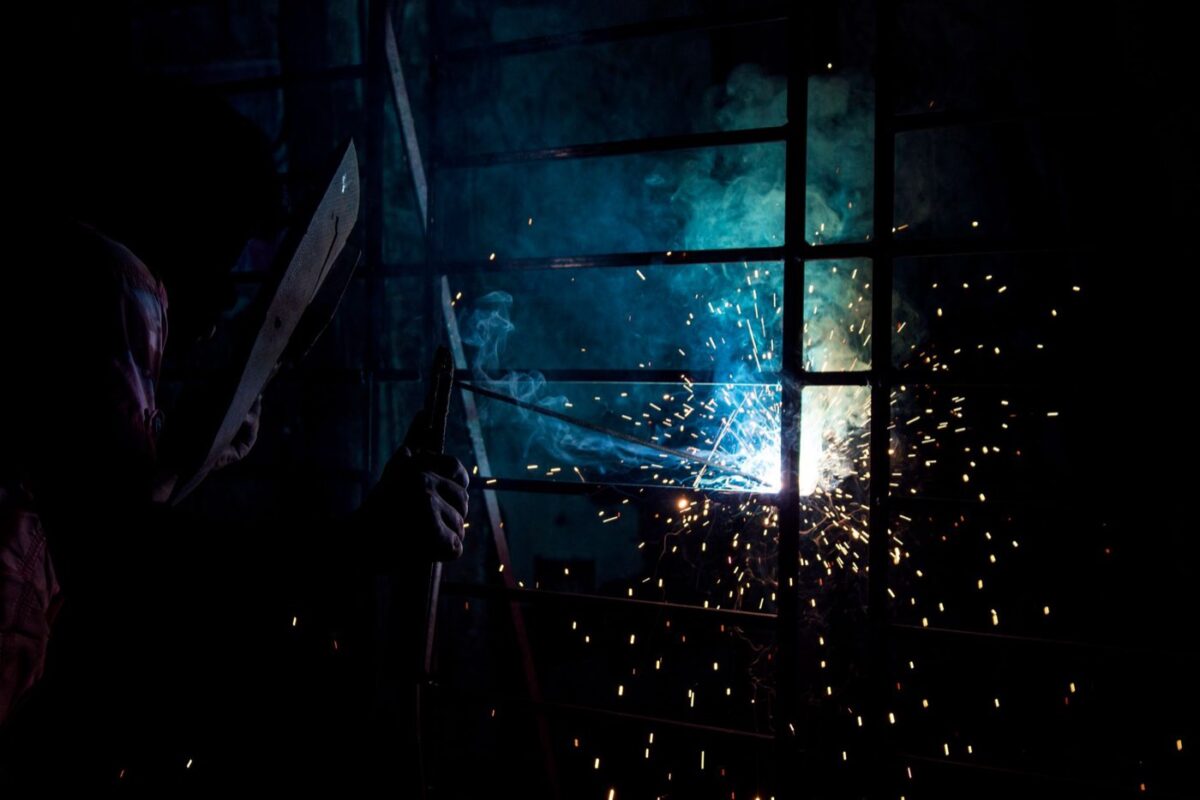
Quick comparison and practical guidance for choosing stick (SMAW) electrodes across mild carbon, low-alloy, and stainless steels; this page summarizes common electrode families and links each claim to public references (consulted 04/09/2026).
Comparison table
| Electrode code | Typical base metal | Positions | Typical current / polarity | Primary advantages | Typical use-cases | Limitations / cautions |
|---|---|---|---|---|---|---|
| E6010 | mild carbon steel | all positions | DCEN/DCEP (forceful arc) | deep penetration, good on dirty surfaces | open-root, contaminated metal, field joints | cellulosic flux; requires experienced operator |
| E6011 | mild carbon steel | all positions | AC-capable (similar penetration to E6010) | runs on AC, deep penetration on dirty surfaces | field repair where AC supply only, dirty joints | cellulosic flux; similar cautions to E6010 |
| E6013 | mild carbon steel | all positions (thin plate work) | AC or DC | smooth arc, good appearance, easy slag removal | thin sheet, general-purpose, hobbyist work | not ideal for extremely dirty surfaces |
| E7018 | mild & low-alloy structural steel | all positions | typically DC | low-hydrogen, high-strength, reduced hydrogen cracking risk | structural welding where codes apply | requires dry storage; bake if moisture suspected |
| E7024 | mild carbon steel | flat/horizontal only | DC or AC | high deposition, fast filling of fillets | production flat fillets, long runs on flat work | not suitable out-of-position |
| E308L-xx | 304/308L stainless | varies by product | varies by product | low carbon to avoid carbide precipitation | welding 304-type stainless to itself | match filler to base metallurgy |
| E309L-xx | stainless to carbon steel, dissimilar joints | varies | varies | bridging metallurgy for dissimilar welds | welds joining stainless to carbon steels | higher dilution may be required |
| E316L-xx | 316 stainless | varies | varies | suitable for 316 service environments | marine, chemical service where 316 is required | match alloy to service environment |
Quick guide: how to read the table
The AWS electrode code carries key info: the first two digits indicate minimum tensile strength in ksi, the third digit indicates the positions allowed, and the fourth digit encodes coating and current characteristics; this coding is summarized in public references on SMAW nomenclature (Wikipedia, consulted 04/09/2026).
Coating type affects penetration and handling: cellulosic coatings give deep penetration and suit dirty or open-root work, rutile types give a smooth arc and good appearance, and iron-powder coatings boost deposition for production work; low-hydrogen fluxes limit diffusible hydrogen to reduce cracking risk (Wikipedia, consulted 04/09/2026; WeldGuru, consulted 04/09/2026).
This page gives comparative guidance only. Job-specific welding procedure specifications (WPS) and quality control are required for critical or certified work; consult applicable codes and project documents (AWS D1.1 reference, consulted 04/09/2026).
E6010
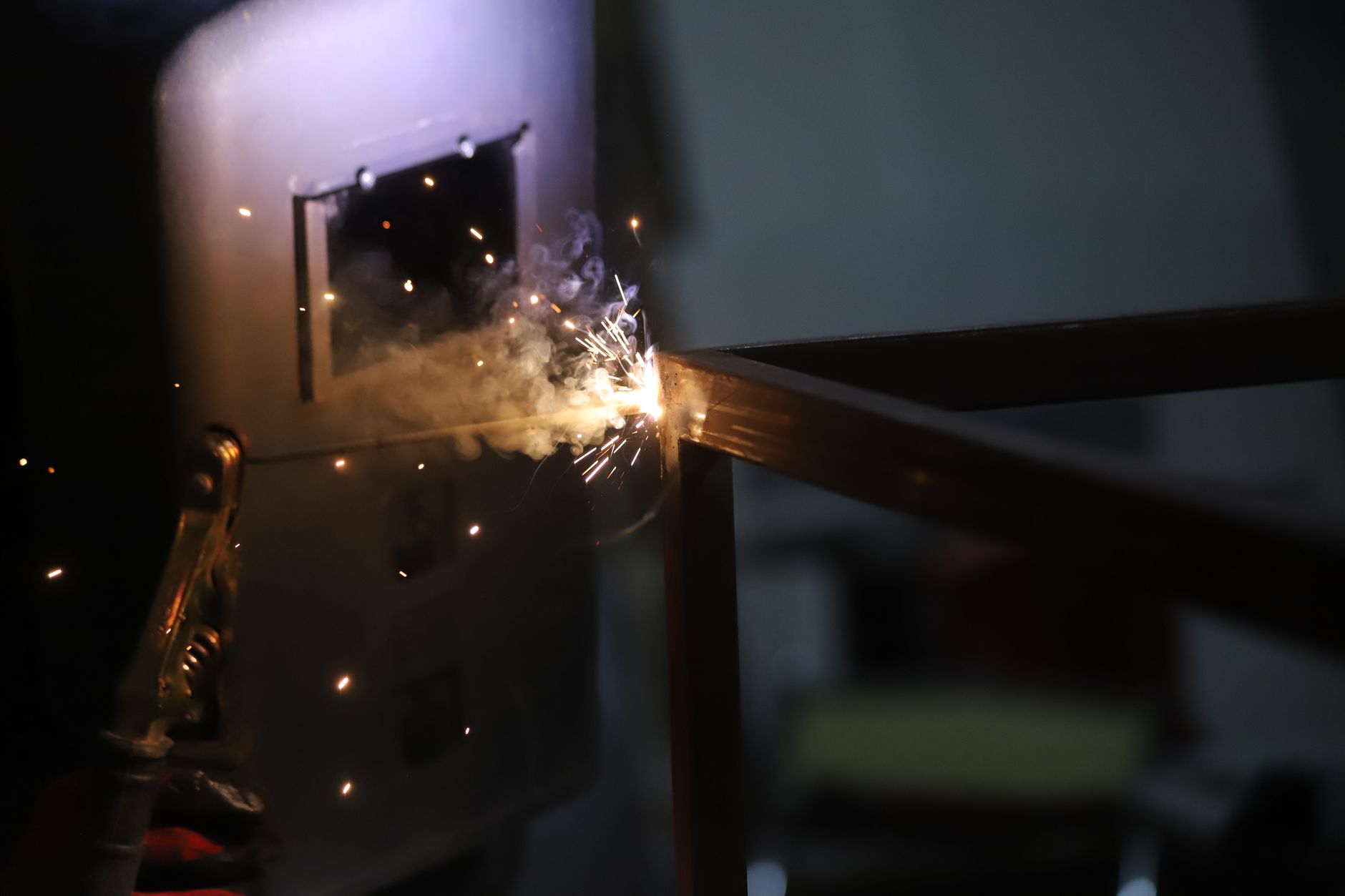
E6010 is a cellulosic electrode characterized by deep penetration and a forceful arc, useful on open-root joints and contaminated or painted surfaces where forgiveness to surface condition is needed (WeldIndex, consulted 04/09/2026).
- Positions: designed for all-position welding.
- Current/polarity: typically DCEN/DCEP for best arc action.
- Penetration/deposition: deep penetration, narrow weld bead.
- Slag/finish: cellulosic flux produces heavier slag; operator skill affects bead shape.
- Applications: open-root pipe, field joints, repair on dirty metal.
- Warnings: cellulosic rods require operator control; not ideal for appearance-critical thin work (WeldIndex, consulted 04/09/2026).
E6011
E6011 offers penetration similar to E6010 but is formulated to run on AC power; it is commonly selected where only AC supply is available and where metal condition is poor (Welders Supply chart, consulted 04/09/2026).
- Positions: all-position capable.
- Current/polarity: AC-capable; behaves like E6010 in penetration.
- Penetration/deposition: deep penetration suitable for root passes and dirty surfaces.
- Applications: field repair, farm equipment repair, maintenance with AC welders.
- Warnings: cellulosic characteristics mean wetter flux and more hydrogen potential if poorly handled (Welders Supply, consulted 04/09/2026).
E6013
E6013 is a rutile-type or fast-freeze electrode favored for clean, thin mild steel work where appearance and ease of use matter; it runs smoothly and is forgiving for hobbyists and light fabrication (WeldFabWorld, consulted 04/09/2026).
- Positions: all-position friendly, suited to vertical and overhead thin work.
- Current/polarity: runs on AC or DC with stable arc.
- Penetration/deposition: moderate penetration, good control on thin sections.
- Applications: thin-sheet fabrication, appearance welds, general-purpose shop work.
- Warnings: not ideal for heavily contaminated surfaces or heavy structural joints (WeldFabWorld, consulted 04/09/2026).
E7018
E7018 is a low-hydrogen electrode family widely specified where higher strength and low diffusible hydrogen are required; it is commonly used in structural welding when codes call for low-hydrogen filler metal and dry storage practices (WeldIndex, consulted 04/09/2026).
- Positions: designed for all-position work with sound technique.
- Current/polarity: typically DC; check manufacturer guidance.
- Penetration/deposition: good fusion with controlled hydrogen levels.
- Applications: structural steel welding where code compliance is required.
- Warnings: must be stored dry; moisture in flux increases hydrogen and cracking risk; many codes reference low-hydrogen practice (WeldIndex, consulted 04/09/2026).
E7024
E7024 is an iron-powder, high-deposition drag rod intended for flat and horizontal production welding where fill rate matters; it is not intended for out-of-position work (WeldGuru, consulted 04/09/2026).
- Positions: flat and horizontal only.
- Current/polarity: tolerant of AC and DC per product specifics.
- Penetration/deposition: high deposition for fast fillet fills.
- Applications: production fillets, long runs on flat plate.
- Warnings: not for vertical or overhead; avoid for thin-gauge appearance work (WeldGuru, consulted 04/09/2026).
E308L, E309L, E316L (stainless families)
Stainless stick electrodes should be matched to base alloy and service: E308L is appropriate for 304-type stainless, E316L for 316 service, and E309L can bridge stainless-to-carbon transitions or higher-dilution scenarios (Hobart catalog, consulted 04/09/2026; Voestalpine product listings, consulted 04/09/2026).
- Positions/current: product-dependent; consult manufacturer datasheet.
- Applications: E308L for 304/308L stainless-to-stainless; E309L for dissimilar joints; E316L for 316 service environments.
- Warnings: select filler chemistry to match corrosion and thermal requirements; consult manufacturer tech data (Hobart, consulted 04/09/2026).
Mild carbon steel
For clean, thin mild carbon plate where appearance matters, rutile E6013 is typically suitable; for production flat fillets where deposition rate matters, E7024 is often used; for contaminated or open-root situations E6010 or E6011 is typically chosen depending on available power source (WeldFabWorld, consulted 04/09/2026; WeldGuru, consulted 04/09/2026).
Low-alloy / high-strength steels
Where higher tensile strength and control of hydrogen are required for structural applications, low-hydrogen electrodes in the E7018 family are commonly specified and are often referenced by codes for critical work; storage and handling practices must control moisture to limit hydrogen-induced cracking (WeldIndex, consulted 04/09/2026; AWS D1.1 reference, consulted 04/09/2026).
Stainless steels
Select stainless filler to match base metallurgy: E308L for 304/308L base metal, E316L for 316 base, and E309L when joining stainless to carbon steel or when higher dilution tolerance is needed; consult manufacturer catalogs for exact product designations and mechanical/chemical limits (Hobart catalog, consulted 04/09/2026; Voestalpine, consulted 04/09/2026).
Repair and field work on contaminated surfaces
Cellulosic electrodes (E6010, E6011) are typically chosen for field repairs on rusty, painted, or oily surfaces because of deep penetration and arc force; E6011 is used where only AC is available, while E6010 is used when DC power and operator skill are available (WeldIndex, consulted 04/09/2026; Welders Supply, consulted 04/09/2026).
Which electrode for which user/profile
Recommendations are conditional and meant as comparative guidance; project WPS and code requirements must govern final selection.
- Maintenance/field repair with an AC welder and dirty metal: E6011 is typically suitable because it runs on AC and tolerates surface contamination; E6010 may be suitable if DC is available and the operator is experienced (Welders Supply, consulted 04/09/2026).
- Structural, code-controlled welds on carbon or low-alloy steel: E7018-family low-hydrogen electrodes are typically chosen where codes reference low-H filler metal; ensure dry storage and follow applicable code/WPS requirements (WeldIndex, consulted 04/09/2026; AWS D1.1, consulted 04/09/2026).
- Fast production flat fillets on clean plate: E7024 is typically chosen for high deposition and fill rate in flat/horizontal positions (WeldGuru, consulted 04/09/2026).
- Thin-sheet appearance work or hobbyist welding: E6013 is typically recommended for smooth arc and ease of slag removal (WeldFabWorld, consulted 04/09/2026).
- Welding stainless-to-stainless (304/308): E308L is typically appropriate; for stainless-to-carbon transitions, E309L is often used to bridge metallurgy (Hobart, consulted 04/09/2026).
Practical notes, storage, and testing
- Low-hydrogen electrodes must be kept dry; moisture in flux raises diffusible hydrogen and increases cracking risk — follow manufacturer storage recommendations and bake rods if required by the supplier (WeldIndex, consulted 04/09/2026).
- Check electrode packaging and lot notes on manufacturer datasheets for position and current guidance before use (Hobart catalog, consulted 04/09/2026).
- Perform test welds and nondestructive or destructive testing as required by code and project WPS; this page does not substitute for project-specific procedure or code compliance (AWS D1.1 reference, consulted 04/09/2026).
References & further reading
- https://weldindex.com/guides/stick-electrode-guide — consulted 04/09/2026
- https://welders-supply.com/reference-charts/electrode-selection-chart/ — consulted 04/09/2026
- https://weldfabworld.com/welding-rods-compared/ — consulted 04/09/2026
- https://weldguru.com/welding-rods-compared-6010-6011-6013-7018-7024/ — consulted 04/09/2026
- https://en.wikipedia.org/wiki/Shielded_metal_arc_welding — consulted 04/09/2026
- https://www.hobartbrothers.com/wp-content/uploads/2026/01/24-07559_-_ITW101_-_Hobart_Filler_Metals_Catalog_2025_-_FINAL_Web_Use_2.pdf — consulted 04/09/2026
- https://www.hobartbrothers.com/downloads/hobart_catalog_nAXt.pdf — consulted 04/09/2026
- https://www.voestalpine.com/welding/us-en/products/product-search/stick-electrodes/ — consulted 04/09/2026
- https://pubs.aws.org/Content/docs/cat_2015.1web.pdf — consulted 04/09/2026
Legal / editorial disclaimer
This page provides comparative information and does not replace project-specific WPS, code compliance, or consultation with a certified welding engineer for critical or structural work.
What we do not know
This page does not include project-specific WPS variables (amperage, heat input, interpass temperature) or brand-specific mechanical values unless provided in the cited manufacturer documents; internal site data and traffic volumes are not available for this page and are not used.

Rédactrice · travaux, rénovation, matériaux
Élodie se concentre sur les techniques de rénovation et l'utilisation des matériaux innovants. Elle s'assure de la véracité des contenus en se basant sur des études et des témoignages d'experts avant publication.
Dans Outils et Consommables
16 septembre 2026
New Plasma Power Source: A Game Changer for Home Metal Fabrication
15 septembre 2026
Features of the Grizzly Horizontal Miter-Cutting Band Saw
15 septembre 2026