Travaux Métal DIY
Métallerie DIY : quelles tâches entreprendre à la maison
Guide pour propriétaires et bricoleurs sur travaux de métallerie, procédés MIG/TIG, outillage de base, sécurité et ventilation. Mise à jour 04/09/2026.
Gabriel Chevalier 7 min de lecture

This guide explains which metalworking tasks a home workshop DIYer can reasonably take on, which ones deserve professional help, the common welding and cutting processes, required basic equipment, and the main safety and ventilation concerns. Last updated: 04/09/2026.
Who this guide is for and what it covers
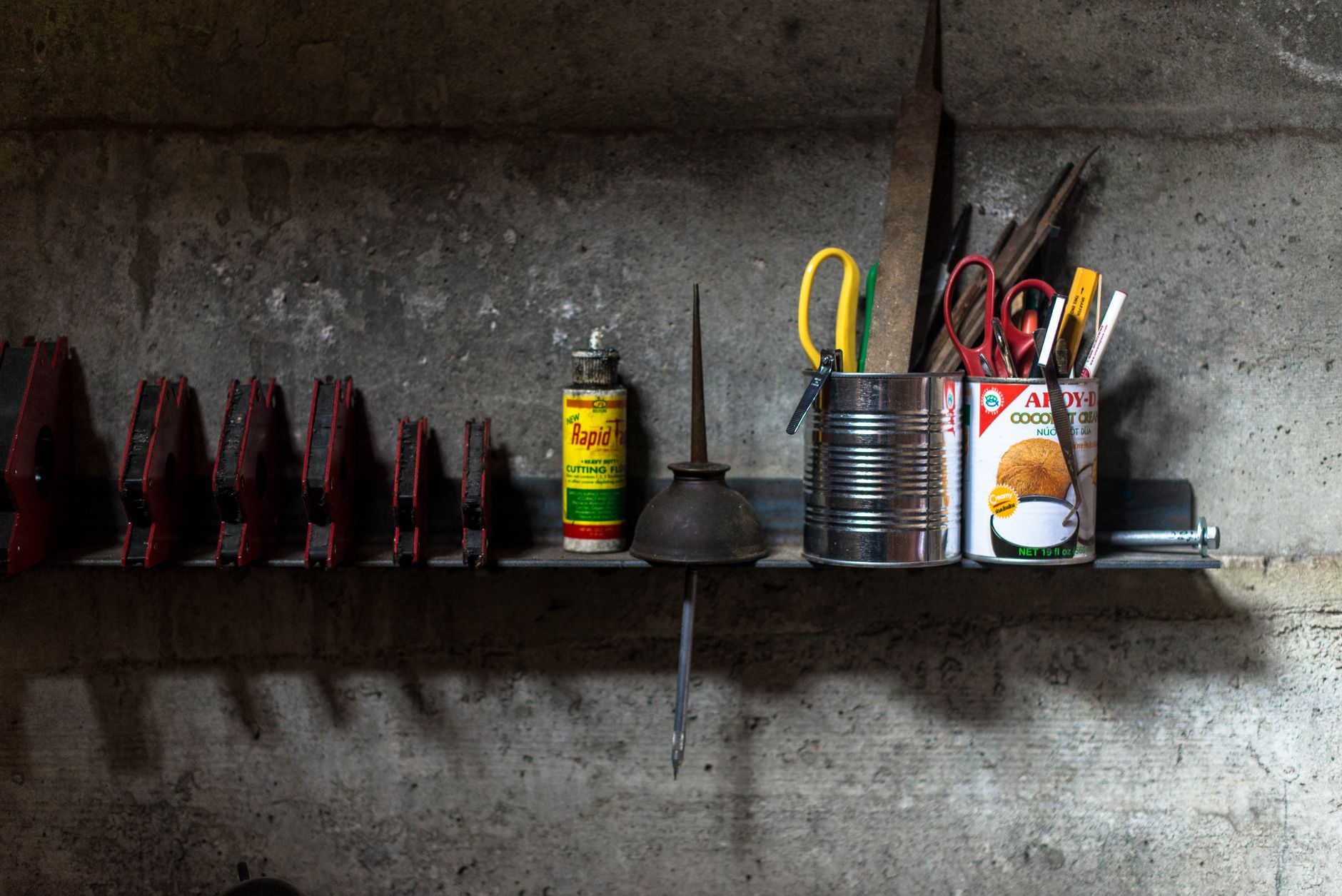
This page is aimed at homeowners and advanced hobbyists in the United States planning small metalwork projects: repairs, small fabrications, furniture, and non‑load bearing gates or railings. It orients the reader on suitable DIY tasks, safety limits, where to find step‑by‑step procedures, and when a professional is the better option.
This site is an editorial resource and not a workshop or service provider. For legal permits or code compliance questions, consult your local municipality or a licensed contractor.
Sources used for safety and ventilation guidance include OSHA and NIOSH documents consulted on 04/09/2026 (see Resources section for full links).
Primary welding and cutting processes for DIY
Hobbyist metalwork commonly uses a handful of processes. Each has a basic principle, typical uses, and tradeoffs. For detailed, step‑by‑step procedures and machine settings, consult the process‑specific pages in the site’s technical silo.
MIG (GMAW): a wire‑feed arc process where a continuously fed consumable wire acts as electrode and filler. Commonly used for general repairs and fabrication on mild steel; easier to learn for beginners. See the MIG guide in the technical silo for full instructions.
TIG (GTAW): an arc process with a non‑consumable tungsten electrode; filler is added separately. Preferred for precise welds, thin materials, and many aluminum jobs. TIG requires more operator skill and specialized equipment. See the TIG pillar page for details.
Stick (SMAW): a manual arc welding method using flux‑coated electrodes. Robust outdoors and on dirty or rusty metal; often used for maintenance and repair. It is less suited to thin sheet metal without experience.
Flux‑core (FCAW): similar to MIG but with flux in the core of the wire; can be used outdoors and for thicker materials. It bridges some of the benefits between MIG and stick for certain projects.
Oxy‑fuel (oxy‑acetylene): a gas‑based technique used for cutting and some welding tasks. It has specific hazards related to gas storage and flashback and is discussed here only as an overview; manufacturer manuals should guide any procedural steps. See the oxy‑fuel overview link in Resources.
- Links to in‑depth tutorials: /mig-guide, /tig-guide, /stick-guide, /fca‑w-guide, /oxyfuel-overview
- Educational references used: Lincoln Electric manuals and Lincoln Tech overviews (consulted 04/09/2026).
Equipment minimums and consumables for safe starts
A basic, safety‑oriented inventory helps avoid common hazards. The list below is a baseline; process‑specific pages will explain exact tool choices.
- Welding power source appropriate to the chosen process (see process pages).
- Auto‑darkening helmet or welding shield rated for the arc; ANSI/OSHA recommended PPE guidance applies. (See OSHA standards linked in Resources.)
- Leather welding gloves and protective clothing or apron designed for welding work.
- Work clamps and grounding lead, wire brushes, and a grinder for surface prep.
- Fire extinguisher suitable for workshop use and a cleared hot‑work area.
- Ventilation provision: local exhaust hood or portable extraction device for smoke/fumes.
Equipment differs by process: gas cylinders or regulator setups for MIG/TIG/oxy‑fuel versus electrode stock for stick. For buying and product reviews, follow the site’s equipment pages and the V1 purchase page: /buying-equipment (link to V1).
Safety hazards and mandatory practices
Welding and cutting present risks including burns, ultraviolet arc exposure, fire, electric shock, and inhalation of toxic fumes. OSHA and NIOSH provide standards and guidance on hot work, PPE, and hazard controls (see Resources below, consulted 04/09/2026).
Key safety measures:
- Perform a hazard assessment before any hot work. Consult OSHA hot work checklists for recommended steps. (OSHA eTool referenced.)
- Establish a fire‑safe work area: remove combustibles, keep a rated extinguisher nearby, and use fire blankets when appropriate.
- Use appropriate PPE: helmet, gloves, flame‑resistant clothing. Follow OSHA PPE guidance.
- Control fumes by engineering measures such as local exhaust ventilation; rely on the guidance in the NIOSH engineering controls document for welding operations.
- Do not recirculate air when working with materials that can generate carcinogens (for example, stainless steel producing chromium VI): OSHA warns against recirculation in these cases.
For confined spaces, toxic coatings, or work involving pressurized systems, consult professionals and local code authorities before proceeding. This guide does not replace formal training or manufacturer instructions.
Ventilation and fume management: differences by material
Fume composition varies with base metal, filler, and coatings. Stainless steel, galvanized steel, and certain coated materials can release hazardous elements such as chromium VI, nickel, or zinc fumes. NIOSH and OSHA documents outline specific hazards and recommend engineering controls. See NIOSH PEL pages and the engineering controls database consulted on 04/09/2026.
Practical guidance:
- Prioritize local exhaust ventilation (LEV) at the weld point to remove fumes before they disperse. NIOSH documents describe LEV as an effective control.
- Avoid air recirculation when welding materials known to release carcinogens; consult OSHA guidance on ductless booths and chromium(VI) recirculation.
- When working with galvanized or coated metals, strip coatings or use enhanced ventilation; these coatings can produce highly toxic fumes when heated.
For equipment specifications and test data, consult the site’s ventilation technical pillar: /ventilation-safety.
Common DIY projects and material‑specific cautions
Small repairs, garden furniture, decorative metalwork, and minor gate repairs are typical DIY projects suited to a home workshop with appropriate PPE and ventilation. Structural or load‑bearing elements, pressure vessels, gas systems, and any work requiring permits or inspection should be handled by qualified professionals.
Material notes in brief phrases:
- Mild steel: generally forgiving for MIG or stick repairs; rust and surface contamination affect weld quality.
- Stainless steel: risk of chromium VI in fumes; requires attention to shielding and ventilation and often TIG or specialist MIG consumables.
- Aluminum: demands appropriate process and cleaning; TIG is common for thin sections and requires different technique and equipment.
- Galvanized metal: zinc fumes are hazardous; remove coating where possible and use extraction.
Detailed project guides, including process choice and preparatory steps, are available on the process‑specific pages referenced earlier.
When to hire a professional
Consult professional services in these situations:
- Work affecting structural safety or load‑bearing elements.
- Any job requiring permits, inspection, or compliance with building codes in your jurisdiction.
- Systems involving pressure, flammable gases, or vehicle safety systems.
- When exposure to hazardous fumes or confined spaces exceeds personal equipment and ventilation capacity.
- When the needed tooling, training, or insurance coverage is not available to the DIYer.
Obtain a written scope and proof of insurance and credentials from any shop consulted. The site provides a page explaining how to evaluate a welding shop and what questions to ask: /how-to-choose-shop.
Resources, references, and further reading
Primary external resources used (consulted 04/09/2026):
- OSHA — Welding, Cutting, and Brazing Standards. https://www.osha.gov/welding-cutting-brazing/standards (consulted 04/09/2026)
- OSHA eTool — Hot work / Welding. https://www.osha.gov/etools/oil-and-gas/general-safety/hot-work-welding (consulted 04/09/2026)
- NIOSH/CDC — Welding Fumes PEL pages. https://www.cdc.gov/niosh/chemicals/pel88/pell-pages/welding.html (consulted 04/09/2026)
- NIOSH Engineering Controls Database — Welding Operations: Local Exhaust Ventilation. https://www.cdc.gov/niosh/engcontrols/ecd/detail44.html (consulted 04/09/2026)
- OSHA FactSheet — Controlling Hazardous Fume and Gases (Welding). https://www.osha.gov/Publications/OSHA_FS-3647_Welding.pdf (consulted 04/09/2026)
- Lincoln Electric — Learning to Weld (technical/educational guide). https://manualzilla.com/doc/6332615/learning-to-weld—lincoln-electric (consulted 04/09/2026)
- Lincoln Tech — What is MIG Welding and How Does It Work? https://www.lincolntech.edu/news/skilled-trades/welding-technology/what-is-mig-welding (consulted 04/09/2026)
- OSHA guidance on ductless booths and Chromium(VI) recirculation. https://www.osha.gov/laws-regs/standardinterpretations/2017-04-10-0 (consulted 04/09/2026)
- Wikipedia — Oxy–fuel welding and cutting (overview only). https://en.wikipedia.org/wiki/Oxy%E2%80%93fuel_welding_and_cutting (consulted 04/09/2026)
FAQ
Q: Which process is best for a beginner?
A: Many beginners start with MIG for mild steel because of its relative ease of use. See the process pages for comparative details and training resources.
Q: How should a small home workshop be ventilated?
A: Prioritize a local exhaust system that captures fumes at the source. Avoid air recirculation when working with materials that can release carcinogens; consult NIOSH/OSHA guidance.
Q: Can a basic MIG machine weld aluminum?
A: Aluminum typically requires MIG equipment configured for aluminum wire and often different shielding gas and spool gun arrangements. Consult the site’s aluminum guide for specifics and manufacturer manuals.
What this page does not provide
This article does not include: averaged costs, learning‑time estimates, site internal data metrics, step‑by‑step weld settings, or any statistics not present in the cited sources. The site’s DATA‑BANK was not available at the time of compilation and therefore no proprietary figures are reported. For exact machine settings, consumable choices, and stepwise procedures, refer to manufacturer manuals and the site’s process‑specific tutorial pages.
For equipment purchases or training options, see the editorial buying page: /buying-equipment and the training and shop evaluation page: /how-to-choose-shop.

Rédacteur spécialisé · soudure, métallerie, bricolage
Gabriel couvre l'univers de la soudure et de la métallerie, partageant des conseils pratiques et des méthodes efficaces. Il vérifie chaque information à l'aide de sources fiables pour garantir la qualité de ses articles.
Dans Travaux Métal DIY
16 septembre 2026
Enhancing Metal Fabrication Efficiency with Swarm Intelligence
12 septembre 2026
On-Site Postweld Heat Treatment for Homeowners
12 septembre 2026