Travaux Métal DIY
Réparer une grille de portail métallique par soudure
Guide pour bricoleur sur les réparations de portail métallique avec des techniques de soudure basiques, diagnostic, sécurité, prévention des fumées et repères p
Gabriel Chevalier 7 min de lecture
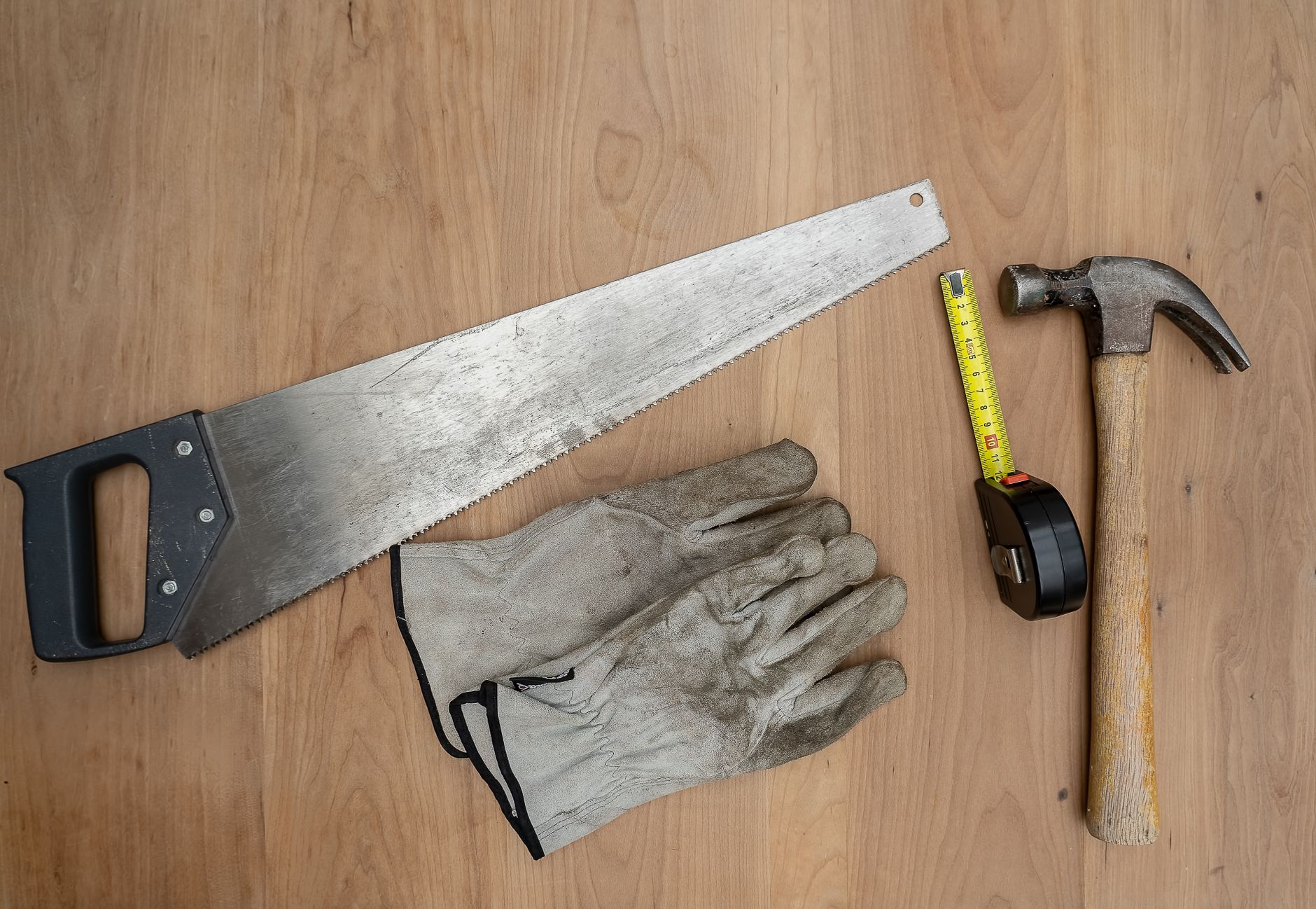
This guide helps a DIYer with basic welding equipment (MIG, flux‑core, or stick) decide when to attempt a metal driveway gate repair and how to do common fixes safely and effectively.
Quick diagnostic: is this a DIY repair?
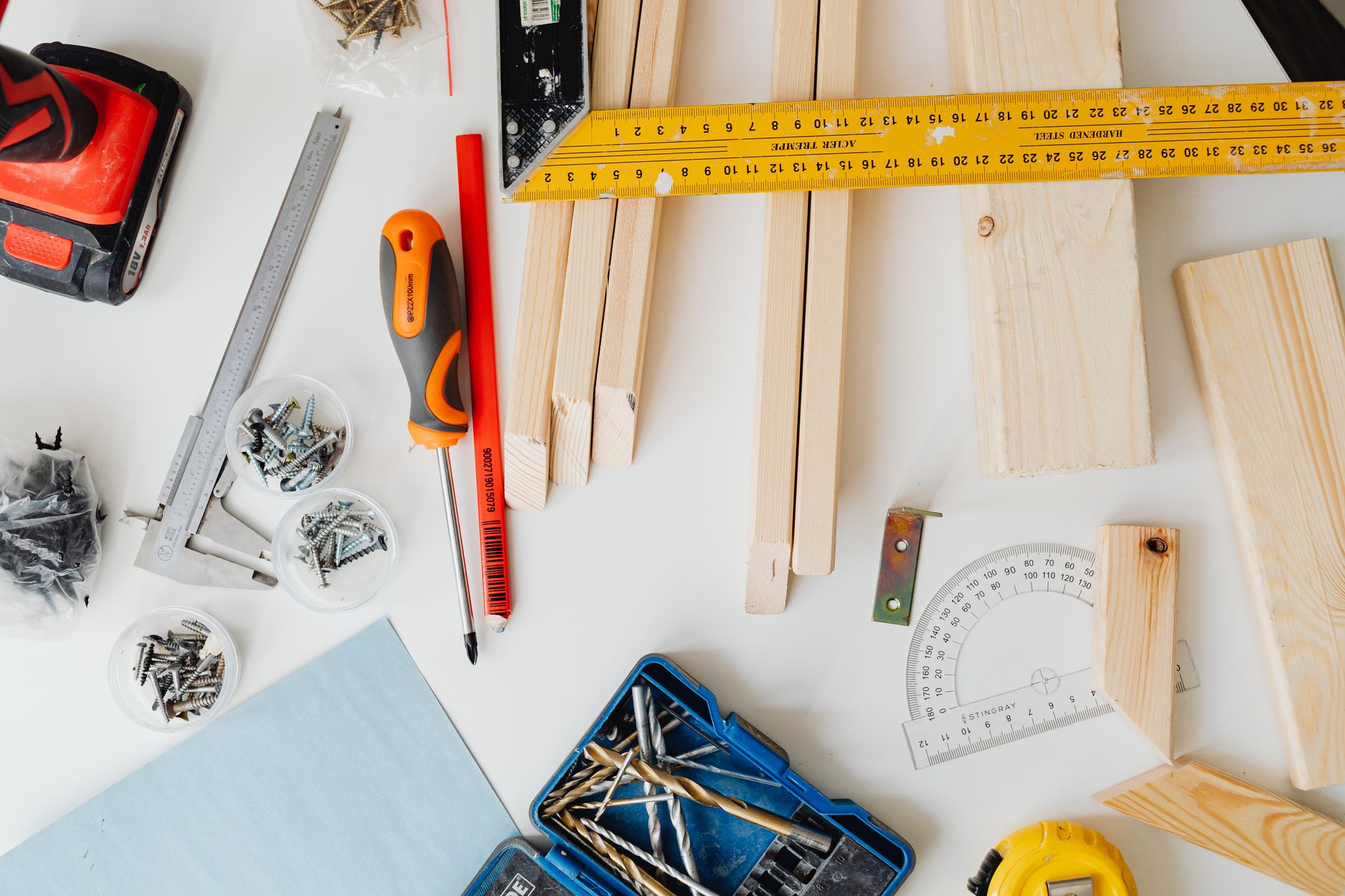
Start with a short assessment. Look for where the damage sits, how much metal is lost, whether the gate is deformed or fractured, the gate’s typical load and use frequency, and whether the metal is galvanized. These five observations give a quick sense of feasibility for a home repair.
Checklist to read before touching tools:
- Damage location: hinge, frame, picket, latch, or post.
- Amount of rust or metal loss around the damage.
- Deformation versus a clean fracture or missing section.
- Gate weight and frequency of use (pedestrian vs vehicle access).
- Presence of galvanization or special coatings.
Favor caution when doubt remains. Signs that usually exclude DIY work include a fracture in a main load‑bearing member, a post in concrete that is cracked or loose, or major deformation that affects a gate opener or overall geometry. When these signs are present, plan for professional assessment.
Safety first: personal protective equipment and site prep
PPE and site preparation are non‑negotiable. Use a welding helmet (auto‑darkening recommended), leather gloves, and long‑sleeve non‑synthetic clothing. Eye protection and a fire extinguisher must be on hand. When grinding or welding galvanized steel, wear a respirator or fume extractor to avoid inhaling zinc fumes.
Prepare the work area: clear combustibles, stabilize the gate with props or supports, and keep a helper nearby if possible. For gates that are automated, isolate power before working near the opener or control wiring. Maintain good ventilation; position grinders and welders so fumes blow away from breathing zones.
Have clamps, wedges, and shims ready to hold parts true while tacking. A person acting as a dedicated safety watcher is useful when sparks and hot metal are present.
Tools & consumables for basic gate welding repairs
Assemble a basic kit: angle grinder with wire cup and flap discs, clamps and C‑clamps, MIG or flux‑core welder, or a stick welder; grinder for finishing; wire brush; hammer and chisel; measuring level and square; filler wire or electrodes that match the base metal; bench vice if available.
Choice guidance without absolutes:
- Stick welding with a rod like 6011 performs well on dirty or rusty outdoor work because it penetrates and tolerates surface contamination; 7018 is used for cleaner, structural stick welds where appropriate.
- MIG or flux‑core is suitable for cleaner repairs and hollow sections; flux‑core is practical outdoors where shielding gas is impractical.
- Clamps and a good fitup are often more critical than higher amperage—hold pieces square before tack welding.
Do not assume a single method always wins. Match the method to material condition and access.
Step‑by‑step: basic repairs you can reasonably attempt
This section covers three common DIY repairs: hinge repair, welding a small crack in a frame, and cutting out plus splicing a corroded section. Each case begins with assessment and proceeds through prep, tack, weld sequence, and finish.
Hinge repair
Assess whether the hinge itself or its welds are the issue. Decide between re‑welding an existing hinge, replacing with a weld‑on hinge, or fitting a heavier hinge to match gate weight. Set hinge alignment vertical and square before tack welding.
Tack first on opposite sides to hold position. Fill welds in short runs, alternating sides to reduce distortion. After welding, check full rotation and latch engagement. Grind high spots, remove slag, and prepare the area for corrosion protection. Match hinge capacity to gate weight when selecting a replacement hinge.
Welding a small crack in a frame
Prepare by grinding the crack area to clean metal, removing paint, rust, and contaminants. If the crack is narrow, bevel edges to allow adequate penetration. Tack both ends first to prevent propagation. Use short stitch welds to control heat input and avoid warping; peen or allow cooling between passes if needed.
Inspect penetration visually; grind flush for cosmetic finish and then apply corrosion protection. If the crack is in a primary structural member, stop and seek professional evaluation.
Cutting out and splicing a corroded section
Measure and cut out the corroded metal. Fabricate a replacement piece with the same section and clamp it square into place. Tack in multiple locations, then complete welds by alternating sides to minimize twist. A splice can be a durable repair when done with good fitup and full weld penetration; in some cases it is a temporary fix until a full replacement is feasible.
For thin‑walled hollow sections, watch for burn‑through. Consider an internal sleeve or backing to add weld metal without overheating thin walls.
Material‑specific notes & common pitfalls
Galvanized steel requires special handling. Grind the zinc away from the weld area, use a respirator because zinc fumes are hazardous, and re‑protect the weld area afterward with appropriate primer and finish or re‑galvanize if feasible. Failure to remove zinc and protect the area leads to corrosion problems later.
Hollow‑section tube frames are prone to burn‑through and distortion. Tacking, short weld passes, and internal sleeves help. For ornamental wrought iron, match filler and grinding to preserve appearance; thin decorative pieces are fragile and need gentle heat control.
Heavy driveway or estate gates and automated gates transmit vehicle loads and repeated cycles; such gates often require professional repair due to higher safety and durability demands.
Finishing & corrosion protection
After welding, clean welds and remove slag and splatter. Grind to desired profile for cosmetic work. Apply a rust‑inhibiting primer, then paint, powder coat, or arrange for hot‑dip galvanizing depending on original finish and availability. Full galvanizing is typically a shop process and may not be available locally; spot‑treatment and high‑quality primer and paint are common field solutions.
For ornamental gates, blend repairs by feathering paint and matching texture to preserve appearance.
When to stop and call a professional
Stop and call a licensed mobile welder or gate specialist if any of these red flags appear: a structural member fractured, a post moving in concrete, major misalignment involving an opener or motor, proximity to live AC wiring making welding unsafe, inability to identify or match the metal type, or visible deformation that compromises gate geometry.
Prepare for a pro visit by photographing damage, noting material/coating, measuring gate width and height, and documenting whether the gate is automated. These items help the pro assess scope remotely.
Short troubleshooting & FAQ
Can I weld galvanized steel without removing zinc? No — remove zinc locally and use respiratory protection for fumes; re‑protect the area afterward.
Is flux‑core OK for outdoor gate repair? Yes for outdoor work where shielding gas is impractical; expect different bead appearance and slightly different handling compared with gas‑shielded MIG.
How to fix a sagging gate without welding? Temporary fixes include adjusting hinge position, shimming, or adding a reinforcing strap. Structural or long‑term correction often requires welding or replacement of components.
What we don’t know
This guide cannot make a definitive diagnosis without photos or measurements. Missing details that change the recommended method include exact material type (mild steel vs stainless vs galvanized), profile thickness, gate weight, exact post fixing method, and presence or routing of electrical components. Any repair plan depends on those specifics and may change after inspection.
References and how to prepare before calling a pro
Before contacting a mobile welder, gather photos from multiple angles, note material finish and suspected metal type, measure gate dimensions, and record whether the gate is automated. Ask the pro about warranty on welding, how corrosion protection will be handled, and whether the pro follows recognized welding practices for the repair.
Keep safety top of mind when handling painted or old metal: dispose of dust from grinding lead‑containing paint according to local hazardous waste guidance and avoid inhalation. When in doubt about structural integrity or safety, prioritize a professional assessment.

Rédacteur spécialisé · soudure, métallerie, bricolage
Gabriel couvre l'univers de la soudure et de la métallerie, partageant des conseils pratiques et des méthodes efficaces. Il vérifie chaque information à l'aide de sources fiables pour garantir la qualité de ses articles.
Dans Travaux Métal DIY
16 septembre 2026
Enhancing Metal Fabrication Efficiency with Swarm Intelligence
12 septembre 2026
On-Site Postweld Heat Treatment for Homeowners
12 septembre 2026