Travaux Métal DIY
Common Welding Mistakes Homeowners Make and How to Avoid Them
Welding can be a rewarding DIY project, but common mistakes can lead to poor results. Here’s how to navigate the challenges.
Gabriel Chevalier 3 min de lecture
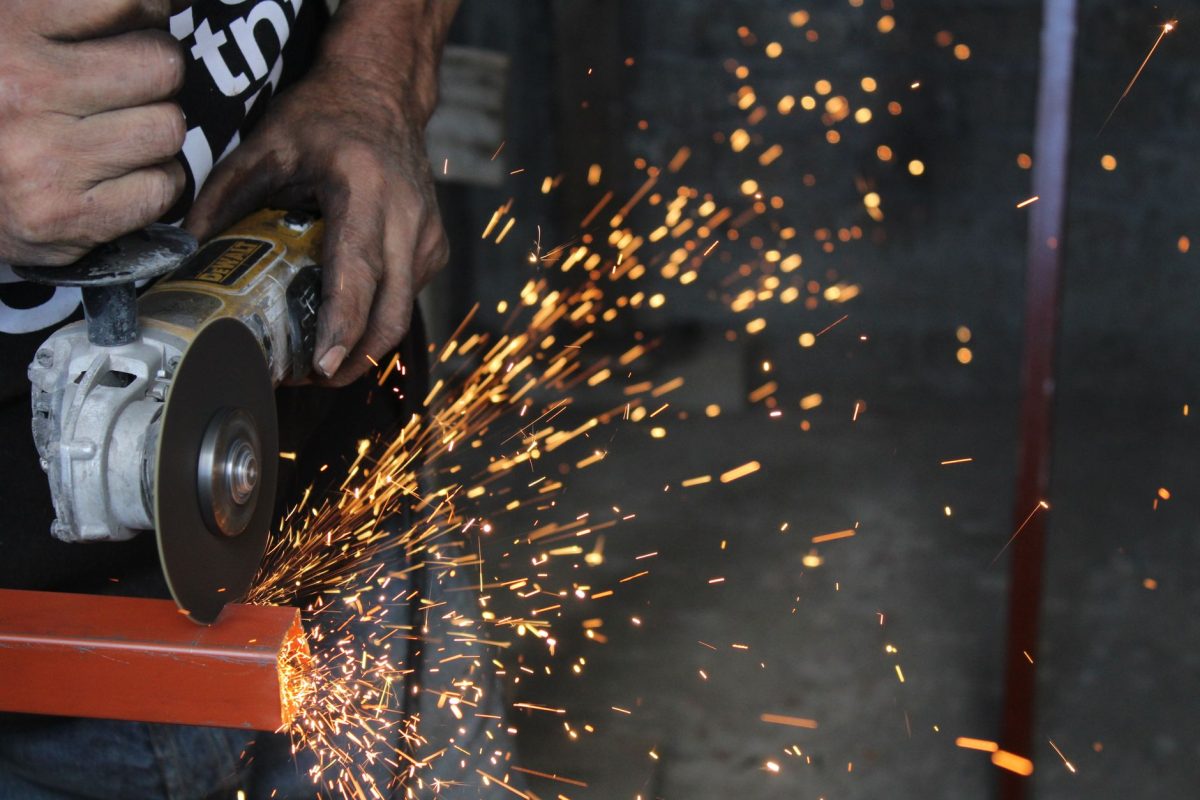
Welding: A Rewarding DIY Venture
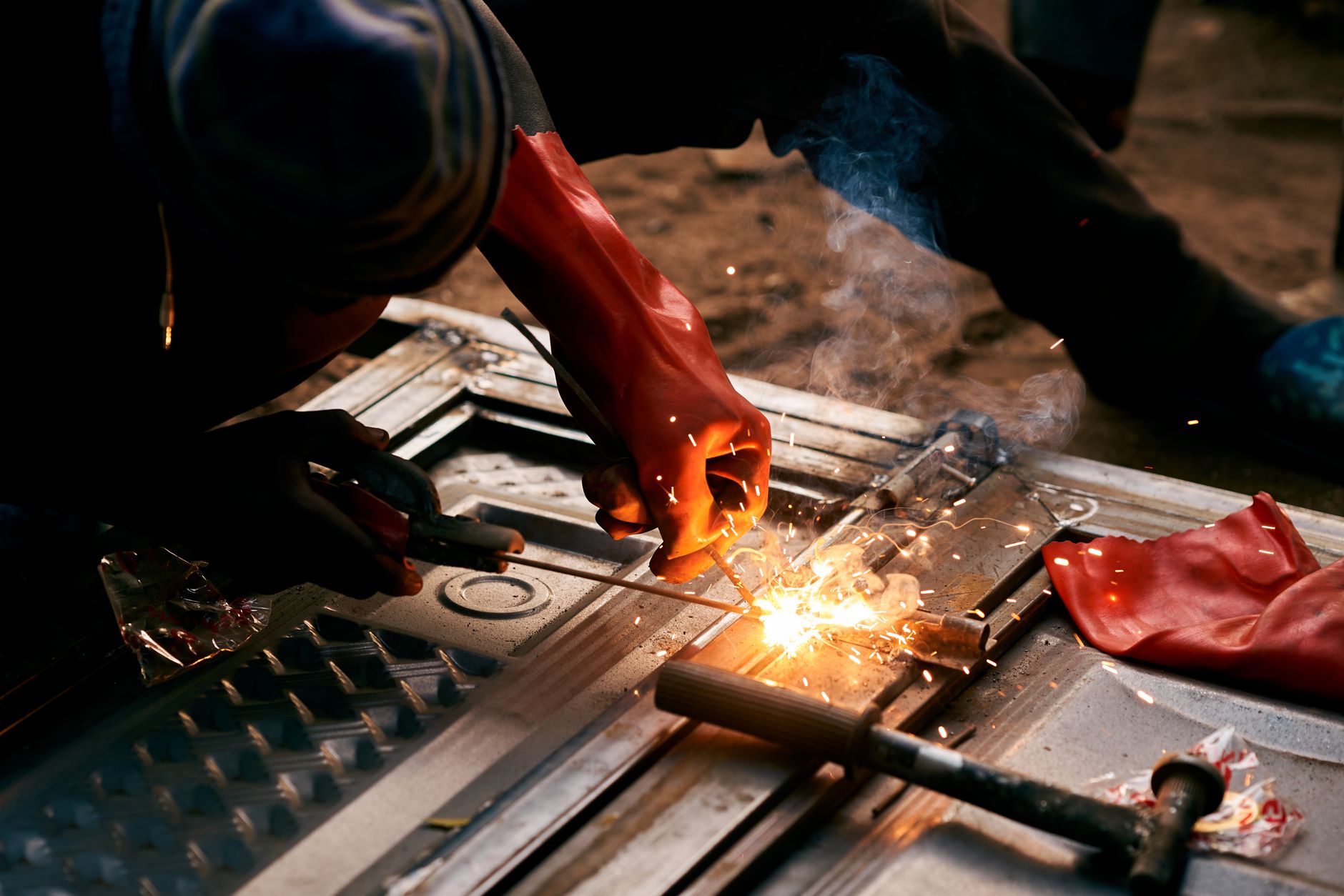
Welding can be an exciting and fulfilling DIY project for homeowners, whether you’re looking to create custom furniture, repair a gate, or tackle larger metal fabrication jobs. However, many beginners stumble upon common pitfalls that can lead to frustration and unsatisfactory results. Understanding these mistakes and how to avoid them will enhance your welding experience and improve the quality of your work. With the right knowledge and preparation, you can transform your welding projects from a source of stress into a satisfying and productive endeavor.
What Common Mistakes Do Homeowners Make?
Here are some prevalent mistakes that novice welders often encounter:
- Poor Preparation: Not cleaning the metal surfaces properly before welding can lead to weak welds. Contaminants such as rust, paint, or grease can compromise the integrity of the weld.
- Incorrect Settings: Failing to adjust the voltage and wire feed speed according to the type of metal being welded results in poor penetration and excessive spatter. Each metal type requires specific settings for optimal results.
- Improper Technique: Using the wrong welding technique can lead to uneven welds and structural weaknesses. It’s essential to understand the different welding techniques and choose the right one for your project.
- Neglecting Safety: Not wearing appropriate personal protective equipment (PPE) can lead to serious injuries. Safety should always be a priority when working with welding equipment.
How to Avoid These Mistakes
Here are practical tips to help you steer clear of these common welding errors:
- Clean Your Metal: Always remove rust, paint, and dirt from the surfaces you plan to weld. Use a wire brush or grinder to prepare the metal properly. This step is crucial, as contaminants can lead to weak welds that may fail under stress.
- Check Your Equipment: Before starting, ensure that your welding machine is set to the right voltage and wire feed speed for the material you are using. Consult your machine’s manual for guidance. Familiarity with your equipment can prevent many common issues.
- Practice Your Technique: Spend time practicing on scrap metal to develop your skills. Focus on maintaining a steady hand and consistent speed. This practice will help you become more comfortable with the welding process and improve your overall technique.
- Use Proper Safety Gear: Always wear a welding helmet, gloves, and protective clothing. Don’t forget to use appropriate ventilation in your workspace to avoid inhaling harmful fumes. Safety gear is your first line of defense against injuries.
When to Seek Help
Sometimes, despite your best efforts, you may encounter challenges that are beyond your skill level. Here are some signs that it might be time to seek professional assistance:
- Complex Projects: If your project involves intricate designs or structural components, consider consulting a professional welder. This can save you time and ensure that the final product is safe and durable.
- Consistency Issues: If you find yourself consistently struggling to achieve clean, strong welds, it may be beneficial to take a welding class or workshop. Learning from experienced instructors can provide you with valuable insights and techniques.
- Safety Concerns: If you’re unsure about the safety protocols or feel uncomfortable with the equipment, don’t hesitate to ask for help or guidance. Prioritizing safety is essential in any welding project.
Conclusion: Embrace the Learning Curve
By being aware of these common mistakes and implementing the suggested strategies, you can significantly improve your welding skills and outcomes. Remember, practice makes perfect, and with time, you’ll become more confident in tackling your DIY metal projects. Embrace the learning curve and don’t shy away from seeking help when needed. As you gain experience and knowledge, your ability to create high-quality welds will grow, making your DIY projects not only successful but also enjoyable.

Rédacteur spécialisé · soudure, métallerie, bricolage
Gabriel couvre l'univers de la soudure et de la métallerie, partageant des conseils pratiques et des méthodes efficaces. Il vérifie chaque information à l'aide de sources fiables pour garantir la qualité de ses articles.
Dans Travaux Métal DIY
16 septembre 2026
Enhancing Metal Fabrication Efficiency with Swarm Intelligence
12 septembre 2026
On-Site Postweld Heat Treatment for Homeowners
12 septembre 2026