Travaux Métal DIY
On-Site Postweld Heat Treatment for Homeowners
Discover how on-site postweld heat treatment can enhance your metal projects and ensure quality results.
Élodie Barbier 3 min de lecture

For homeowners involved in metal projects, achieving a strong and durable weld is essential. Whether you’re building a custom gate, a metal sculpture, or repairing equipment, the quality of your welds can significantly affect the overall integrity of your work. One effective method to enhance your welding results is through on-site postweld heat treatment (PWHT). This guide explores how homeowners can benefit from this technique, offering practical insights into its application.
What is On-Site Postweld Heat Treatment?
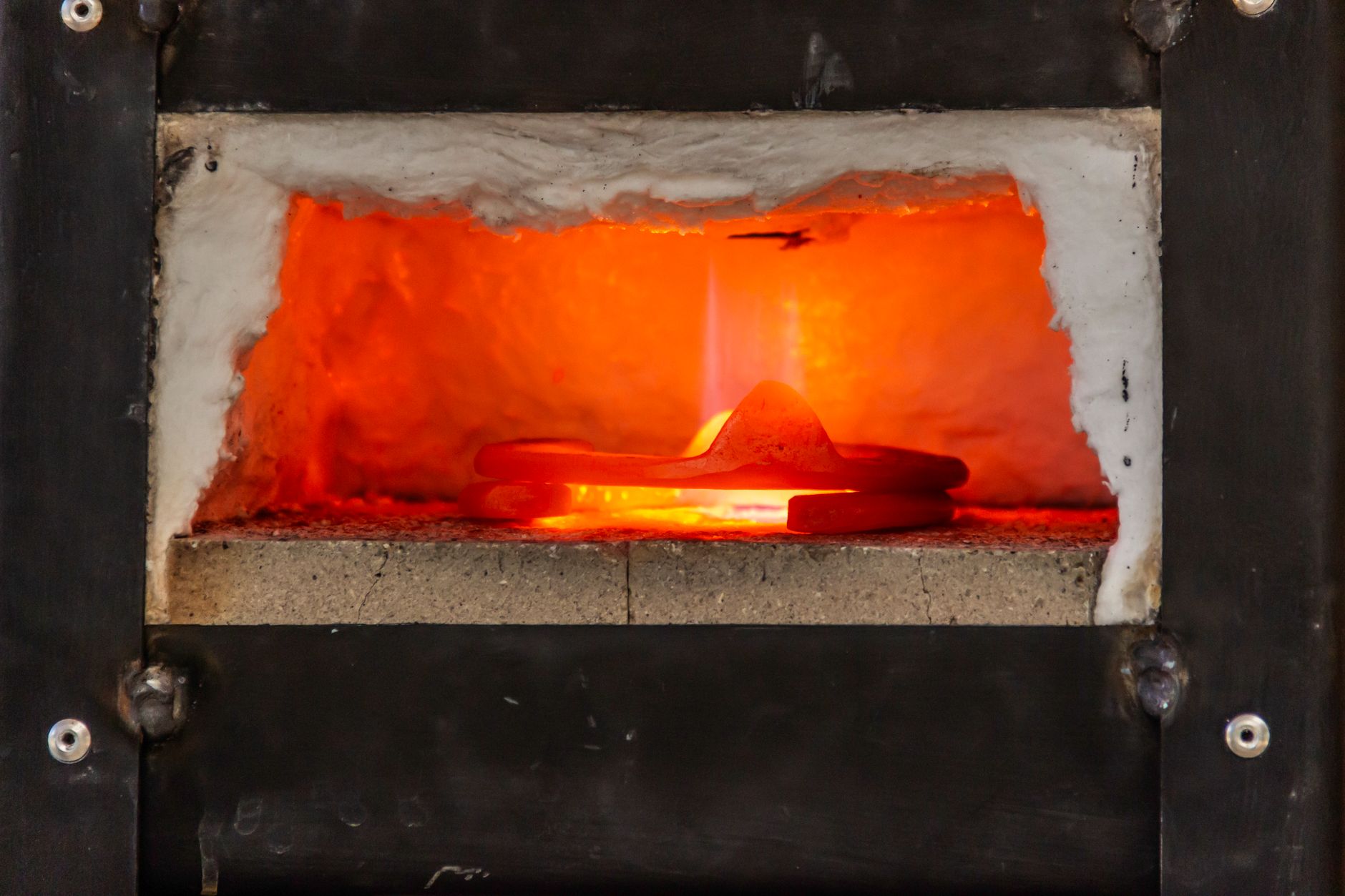
On-site postweld heat treatment is a process used to relieve stresses in welded metal and improve its mechanical properties. Traditionally, PWHT is performed in a furnace, but advancements now allow for direct gas fire PWHT to be conducted on-site. This method is particularly advantageous for larger projects, such as pressure vessels, where transporting the entire structure to a furnace is not feasible. By applying controlled heat directly to the weld area, you can effectively reduce residual stresses and enhance the strength of the joint.
Benefits of On-Site PWHT for Homeowners
- Improved Weld Quality: By relieving stress in the weld, PWHT minimizes the risk of cracking and deformation, leading to a more robust final product.
- Time Efficiency: Conducting PWHT on-site eliminates the need for transporting large components, saving time and reducing logistical challenges.
- Cost-Effective: Avoiding transportation costs and potential delays can lead to significant savings, making this method more economical for homeowners.
- Compliance with Standards: On-site PWHT helps ensure that your projects meet industry codes and standards, which is particularly important for structural applications.
How to Implement On-Site PWHT
Implementing on-site postweld heat treatment requires careful planning and execution. Here are the steps you should follow:
- Assess Your Project: Determine if your metal project requires PWHT based on the materials used and the intended application.
- Choose the Right Equipment: Invest in or rent a direct gas fire heating system suitable for your project size. Ensure it meets safety standards.
- Prepare the Work Area: Clear the area around the weld to prevent any flammable materials from igniting during the heating process.
- Monitor Temperature: Use thermocouples or infrared thermometers to ensure the weld reaches the appropriate temperature and is maintained for the recommended duration.
- Conduct Post-Heat Treatment Inspections: After the PWHT process, inspect the welds for any signs of defects or issues before proceeding with further work.
Common Mistakes to Avoid
While on-site PWHT can be highly beneficial, there are common pitfalls to be aware of:
- Inadequate Temperature Control: Failing to maintain the correct temperature can lead to ineffective treatment. Always monitor closely.
- Skipping Safety Precautions: Ignoring safety measures can lead to accidents. Always use protective gear and ensure proper ventilation.
- Neglecting Pre- and Post-Weld Inspections: Skipping these inspections can result in undetected defects that compromise your project’s integrity.
By avoiding these mistakes and following the proper procedures, homeowners can greatly enhance their metalworking projects with on-site postweld heat treatment. This process not only improves the quality of your welds but also ensures that your projects are safe and durable.
In conclusion, on-site postweld heat treatment is a valuable technique for homeowners engaged in metal fabrication. It offers numerous benefits, from improved weld quality to compliance with industry standards, all while saving time and costs. With the right knowledge and preparation, you can take your metal projects to the next level.

Rédactrice · travaux, rénovation, matériaux
Élodie se concentre sur les techniques de rénovation et l'utilisation des matériaux innovants. Elle s'assure de la véracité des contenus en se basant sur des études et des témoignages d'experts avant publication.
Dans Travaux Métal DIY
16 septembre 2026
Enhancing Metal Fabrication Efficiency with Swarm Intelligence
12 septembre 2026
Understanding the Costs of Metal Fabrication Services for Homeowners
11 septembre 2026