Travaux Métal DIY
Avoiding Common Welding Mistakes at Home
Welding at home can be a rewarding DIY project, but it's essential to steer clear of common pitfalls. Here’s a practical guide to help you succeed.
Élodie Barbier 2 min de lecture
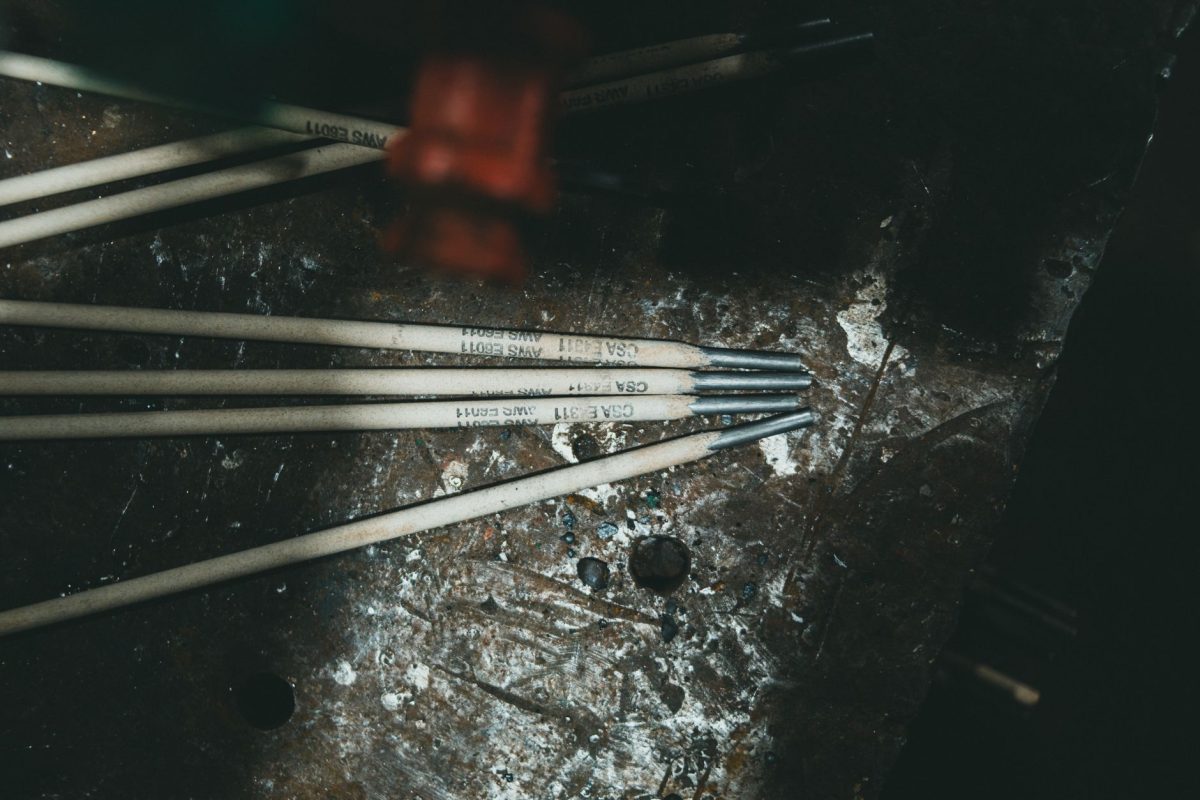
Welding at home can be an exciting yet challenging venture. Whether you’re working on a small project or a larger fabrication task, understanding the common mistakes can mean the difference between a successful weld and a costly error. Let’s take a look at how to navigate the welding process effectively.
Identifying Common Mistakes

Before you start welding, it’s crucial to recognize the mistakes that many DIY welders make. Here are some of the most common pitfalls:
- Poor Preparation: Failing to clean the metal surfaces can lead to weak welds.
- Inadequate Settings: Using the wrong settings on your welding machine can result in burns or incomplete fusion.
- Incorrect Technique: Not maintaining a steady hand or the right angle can produce uneven welds.
- Ignoring Safety: Skipping safety gear can lead to injuries and accidents.
What to Do Before You Weld
Preparation is key to achieving a successful weld. Here’s a simple checklist to follow:
- Clean the Metal: Use a wire brush or grinder to remove rust, paint, and debris.
- Set Up Your Workspace: Ensure you have adequate lighting and a clutter-free area.
- Check Your Equipment: Make sure your welding machine and tools are in good working condition.
- Wear Appropriate Safety Gear: Always wear a welding helmet, gloves, and protective clothing.
Understanding Costs and Time
One of the aspects that can deter many from welding at home is the expense and time commitment involved. Depending on your project, costs can vary widely. Here are some factors to consider:
- Material Costs: Depending on the type of metal you’re using, prices can differ greatly.
- Equipment Investment: If you don’t own welding equipment, you may need to rent or purchase a machine, which can range from a few hundred to several thousand dollars.
- Project Duration: Time will vary based on the complexity of your project. Simple repairs might take a few hours, while larger fabrications could take days.
Avoiding Mistakes During the Welding Process
As you start welding, keep these tips in mind to avoid common errors:
- Maintain a Steady Hand: Use both hands to stabilize your grip, ensuring consistent motion.
- Watch Your Heat: Monitor the temperature to avoid burning through the material.
- Practice on Scrap Metal: Test your technique on scrap pieces before tackling the final project.
- Take Breaks: Fatigue can lead to mistakes, so take breaks to maintain focus and precision.
By being aware of these common mistakes and following the recommended practices, you can enhance your welding skills significantly. Remember, welding is as much about practice as it is about knowledge. With time and experience, you’ll find yourself creating solid, reliable welds that you can be proud of.
In conclusion, welding at home can be a fulfilling DIY project if approached correctly. Avoiding common mistakes, preparing adequately, and investing the right amount of time and resources will help ensure your success in this craft.

Rédactrice · travaux, rénovation, matériaux
Élodie se concentre sur les techniques de rénovation et l'utilisation des matériaux innovants. Elle s'assure de la véracité des contenus en se basant sur des études et des témoignages d'experts avant publication.
Dans Travaux Métal DIY
16 septembre 2026
Enhancing Metal Fabrication Efficiency with Swarm Intelligence
12 septembre 2026
On-Site Postweld Heat Treatment for Homeowners
12 septembre 2026