Travaux Métal DIY
Avoiding Common Welding Mistakes for Homeowners
Learn about the most frequent welding errors made by DIY enthusiasts and how to steer clear of them.
Élodie Barbier 4 min de lecture
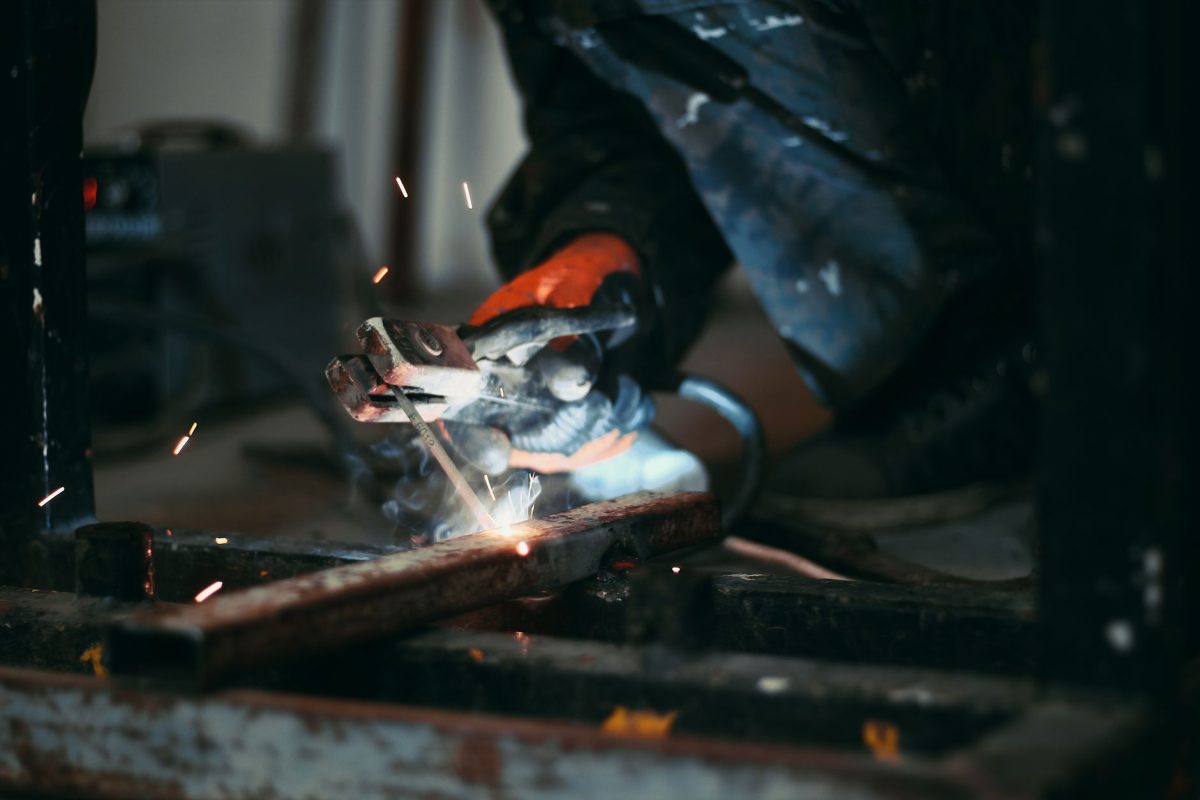
Welding can be a rewarding skill for homeowners looking to tackle DIY metal projects. However, even the most enthusiastic beginners can fall prey to common mistakes that can lead to frustration, wasted materials, and safety hazards. Understanding these pitfalls and how to avoid them is crucial for anyone looking to weld effectively and safely. This article aims to guide you through the nuances of welding, highlighting essential practices that can save you time, resources, and ensure your safety.
What Common Welding Mistakes Should You Watch Out For?
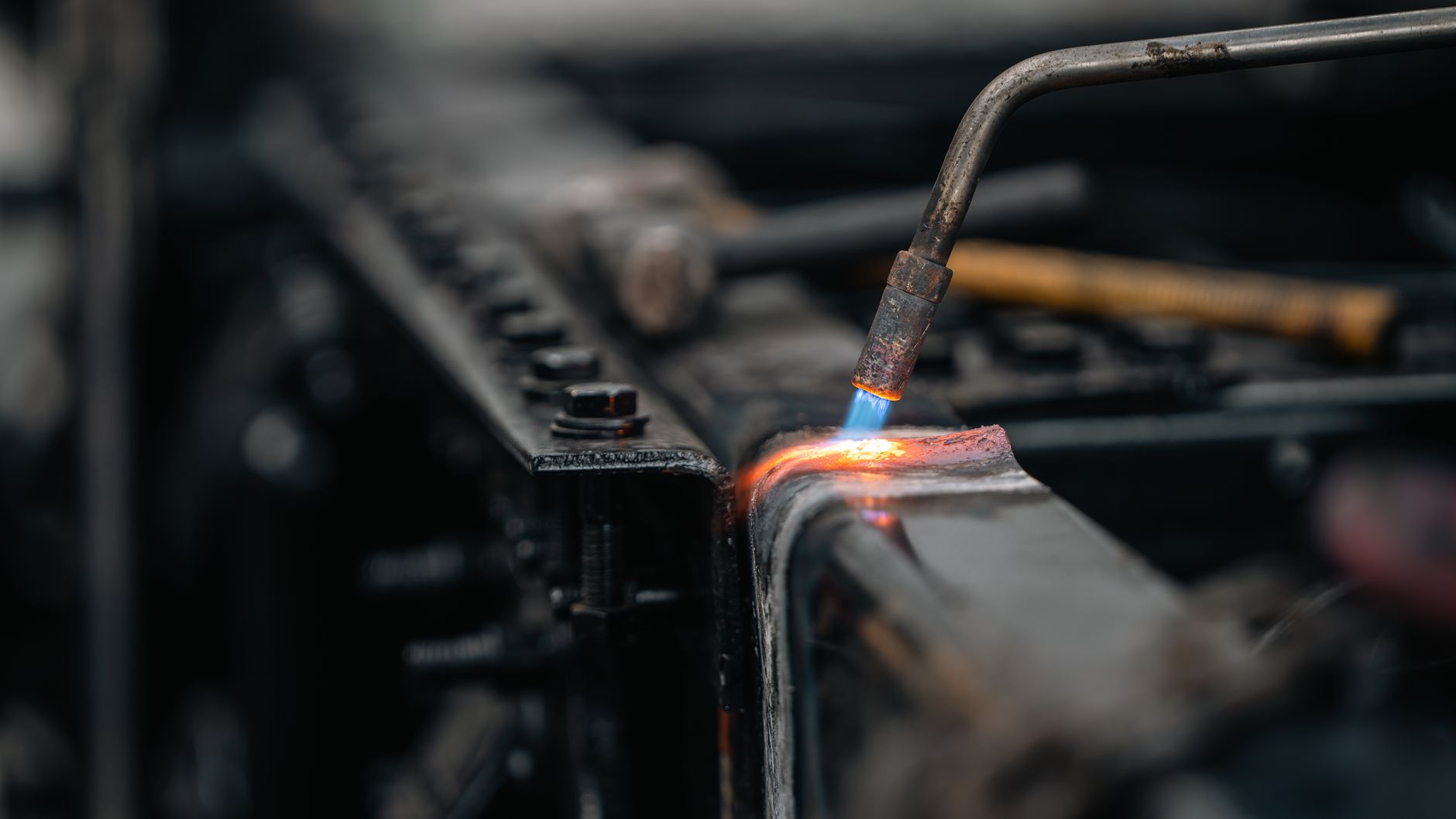
As you embark on your welding journey, it’s essential to be aware of the most frequent errors that DIY welders encounter. Here are some of the top mistakes:
- Poor Preparation: Failing to clean the metal surfaces before welding can lead to weak joints and contamination. This step is crucial because contaminants can prevent proper fusion and lead to weld failure.
- Incorrect Settings: Not adjusting your welder’s settings according to the material can result in undercutting or burn-through. Each material has its specific requirements, and neglecting this can compromise the integrity of your weld.
- Improper Technique: Not maintaining a consistent travel speed or angle can produce inconsistent welds. This inconsistency can lead to weak spots or excessive heat that can warp the metal.
- Ignoring Safety Precautions: Skipping safety gear can expose you to dangerous fumes, sparks, and other hazards. Safety should always be a top priority, as neglecting it can result in serious injuries.
How to Avoid These Mistakes
Now that you know what mistakes to look out for, let’s discuss how to avoid them effectively. Implementing these strategies can significantly improve your welding outcomes:
- Metal Preparation: Always clean the metal surfaces thoroughly. Remove rust, paint, and any oil or grease to ensure a strong weld. A clean surface allows for better penetration and fusion, which is critical for the strength of the joint.
- Set Your Equipment Correctly: Familiarize yourself with your welding machine and make sure to set the voltage and amperage correctly based on the thickness of the material you’re working with. Refer to the welder’s manual for guidance on settings specific to different materials.
- Practice Your Technique: Spend time practicing on scrap metal before starting your actual project. This will help you get comfortable with the equipment and technique. Practicing different angles and speeds can help you understand how they affect the weld quality.
- Wear Protective Gear: Don’t skimp on safety. Always wear a welding helmet, gloves, and protective clothing to guard against sparks and UV radiation. Investing in quality gear can prevent burns and eye injuries, which are common in welding.
When to Seek Professional Help
Sometimes, despite your best efforts, a project might be more complex or risky than you anticipated. Here are some indicators that it might be time to call in a professional:
- If you’re unsure about the strength or safety of a weld. If you have doubts, it’s better to consult an expert than to risk a potential failure.
- When working with high-stress applications, such as structural welding. These situations require a level of expertise that may exceed your current skill set.
- If you feel overwhelmed by the tools or processes involved. If the equipment seems too complex or the project scope is beyond your comfort level, don’t hesitate to reach out for help.
Remember, there’s no shame in asking for help. It’s better to ensure safety and quality than to risk a faulty weld. Professionals can provide insights that may enhance your understanding and skills, making future projects more manageable.
Conclusion
Welding can be an enjoyable and fulfilling skill to learn, but it comes with its challenges. By being aware of common mistakes and taking proactive steps to avoid them, you can enhance your skills and create strong, reliable welds. Always prioritize safety and don’t hesitate to seek professional assistance when needed. Happy welding!
Additionally, if you’re interested in furthering your welding skills, consider enrolling in certified training programs, such as those offered by Northeast Texas Community College, which has recently become a Yaskawa Motoman Endorsed Robotics Instructor Training (MERIT) certified center. Such programs can provide structured learning and hands-on experience, significantly improving your proficiency and confidence in welding.

Rédactrice · travaux, rénovation, matériaux
Élodie se concentre sur les techniques de rénovation et l'utilisation des matériaux innovants. Elle s'assure de la véracité des contenus en se basant sur des études et des témoignages d'experts avant publication.
Dans Travaux Métal DIY
16 septembre 2026
Enhancing Metal Fabrication Efficiency with Swarm Intelligence
12 septembre 2026
On-Site Postweld Heat Treatment for Homeowners
12 septembre 2026