Accueil Outils et Consommables
Outils et Consommables
Choisir la baguette d’apport pour soudure aluminium
Identifiez l'alliage de base, suivez les tableaux fabricants et le WPS, puis choisissez ER4043, ER5356 ou baguettes spéciales selon environnement et corrosion.
Élodie Barbier 8 min de lecture
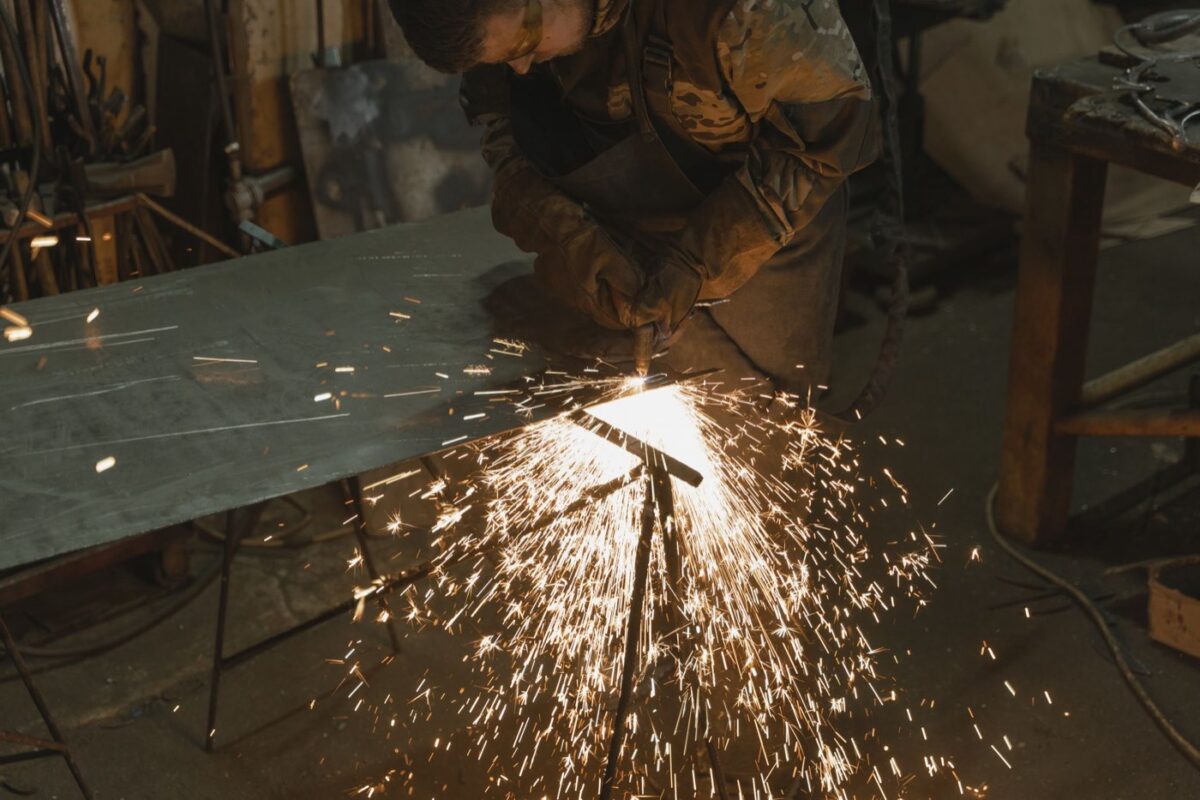
Choose the right aluminum filler rod by first identifying the base alloy, consulting manufacturer selection charts and the WPS, and then applying practical criteria—environment, finish, required strength, and contamination control—to narrow acceptable fillers such as ER4043, ER5356, or specialty rods for marine use.
Why the choice of filler metal matters
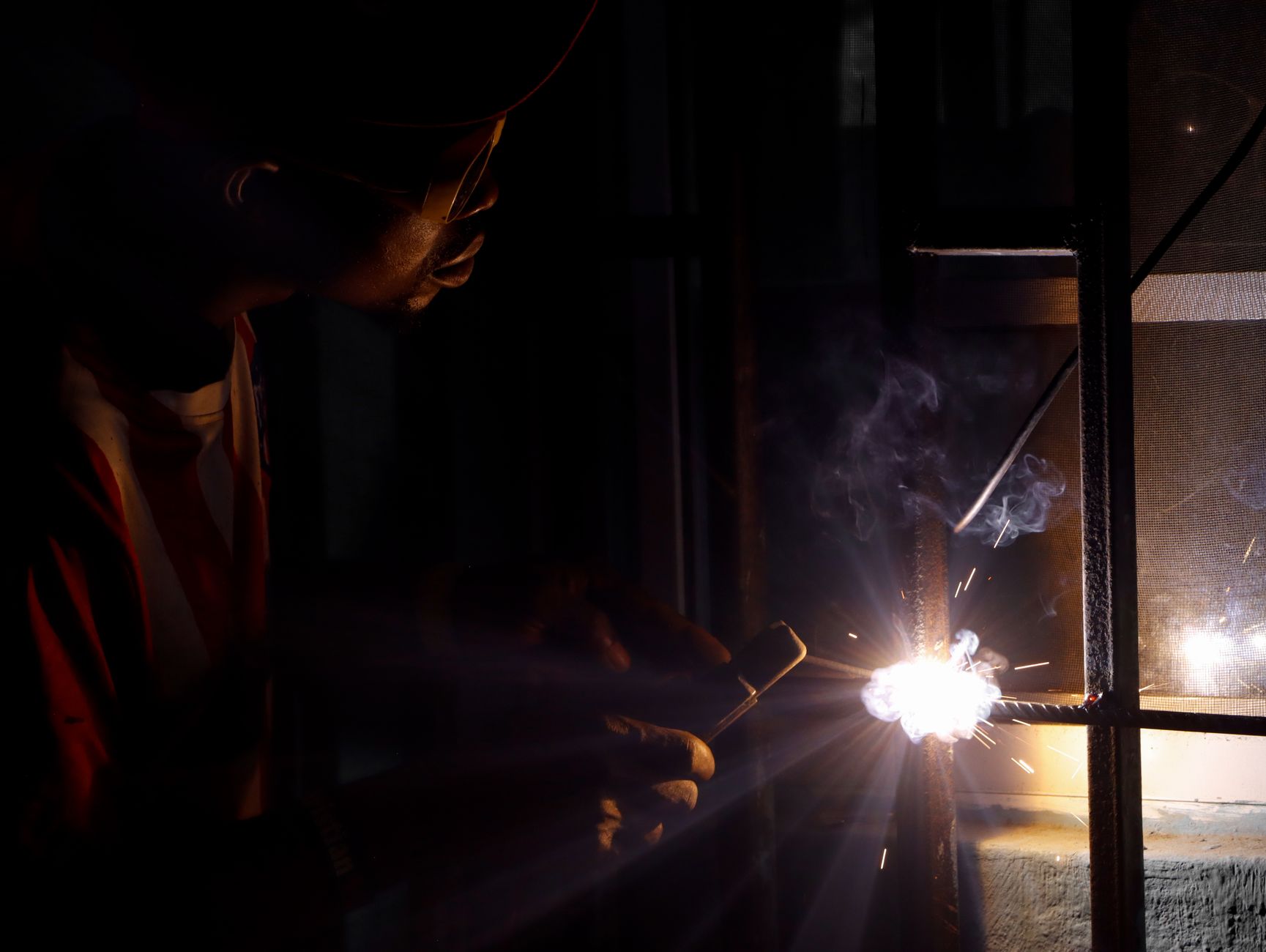
The filler metal affects weld soundness, appearance and long-term performance. A mismatched filler can increase the risk of hot cracking, reduce mechanical strength in the joint, or change corrosion behavior depending on alloy combinations. Manufacturer charts and procedural documents exist precisely because the wrong pairing has practical consequences for welded assemblies. See Hobart Brothers and the AWS guide for the rationale behind selection charts and procedural reliance (Hobart Brothers, consulté 04/09/2026; AWS, consulté 04/09/2026).
Selection charts and the Welding Procedure Specification (WPS) are the control points used in industry to prevent those failures. They list acceptable filler metals for given base alloys and record conditions under which a weld is qualified. For work that will be inspected or that must meet a code, follow the WPS and supplier charts rather than relying on a general rule.
Step 1 — Identify the base alloy
Start by determining the alloy of the piece to be welded. Common sources of alloy information are part markings, manufacturer datasheets, mill test reports, or supplier documentation. When markings or paperwork are unavailable, the part’s procurement or fabrication history is the next reference. If alloy identification remains uncertain, obtain the information from the component manufacturer before selecting a filler.
Knowing whether the base is from the 5xxx series (magnesium-bearing) or the 6xxx series (aluminum-silicon-magnesium alloys) guides which filler families are appropriate. The AWS guide and Hobart materials emphasize that the base alloy class is the first determinant in filler choice; treat this as the starting filter before considering appearance, anodization, or service environment (AWS, consulté 04/09/2026; Hobart Brothers, consulté 04/09/2026).
If you must join dissimilar alloys, consult selection charts that explicitly cover acceptable combinations and perform qualification testing when required by code or specification. Victory Welding Alloys and supplier charts show compatibility guidance and note where trials are necessary (Victory Welding Alloys, consulté 04/09/2026).
Step 2 — Consult the filler/base selection charts (method)
Locate the supplier or industry chart that maps base alloys to acceptable fillers. Hobart Brothers provides an Aluminum Filler Metal Selection Chart (PDF) that lists permitted combinations; similar charts are available from suppliers and from industry guidance documents. Use those charts as the authoritative list of candidate fillers (Hobart Brothers selection chart, consulté 04/09/2026).
Method, step-by-step:
- Find the chart for your base alloy (supplier or Hobart PDF).
- List the filler metals indicated as acceptable for that alloy.
- From that list, remove fillers that conflict with service environment needs (for example, if marine corrosion resistance or anodized appearance is critical).
- Confirm that any chosen filler is permitted by the applicable WPS or that the weld will be qualified under the chosen combination.
This approach keeps selection traceable: the chart identifies acceptable fillers; the WPS or qualification verifies the process for production or inspection contexts (Hobart Brothers; AWS, consulté 04/09/2026).
Step 3 — Practical criteria to choose between common fillers
ER4043 and ER5356 are the two fillers most commonly cited in supplier guidance. ER4043 is silicon-rich and is noted for good fluidity and a tendency toward better weld appearance and less susceptibility to hot cracking in some applications. ER5356 is magnesium-rich and is cited for providing higher mechanical strength in many cases, often making it a common choice for 5xxx-series base alloys and structural uses (Hobart Brothers; Nox Metals, consulté 04/09/2026).
Apply these practical considerations:
- Appearance and anodizing: ER4043 can give a different anodized finish than ER5356; supplier notes address appearance differences and advise trials when finish after anodizing matters (Hobart Brothers, consulté 04/09/2026).
- Strength priorities: For applications where joint strength is primary, consider fillers that suppliers link to better mechanical matching for the base, as indicated on selection tools (Nox Metals, consulté 04/09/2026).
- Marine or high-corrosion environments: Consult charts and supplier guidance for fillers specifically recommended for 5xxx alloys and marine service—specialty fillers such as rods identified for marine use may be listed (Welding & Welder; Chalco, consulté 04/09/2026).
Beyond ER4043 and ER5356, other fillers such as ER5183 or ER5556 appear in manufacturer guidance for particular alloy and service combinations; use the charts to see which specialty fillers are applicable for a given base alloy and environment (Welding & Welder; Chalco, consulté 04/09/2026).
Step 4 — Diameter, format and process adaptation
Choose filler diameter and format (rod versus wire) based on the welding process and the joint thickness: TIG typically uses filler rods and manual feeding, while MIG uses continuous wire. The general principle is to match the filler format and diameter to the control you need on the weld pool and to the machine’s feed system. WelderFacts and Hobart discuss how diameter affects handling and weld pool control; consult supplier recommendations and perform trials on scrap to confirm feed and appearance before production (WelderFacts; Hobart Brothers, consulté 04/09/2026).
Manufacturer recommendations and machine capability determine acceptable diameter ranges; because exact amperage and travel speed depend on joint geometry and material thickness, follow machine and filler supplier guidance and perform qualification when required.
Cases and warnings
Anodizing and finish: filler choice influences the post-anodized appearance. If anodized color and uniformity are critical, run sample welds with candidate fillers and check the anodized result against the specification. Supplier notes discuss these visual effects without prescribing a universal filler.
Marine applications: supplier materials and industry charts call out fillers better suited for 5xxx-series alloys in marine service. Check charts and corrosion guidance from suppliers and consider dedicated marine-specified fillers when indicated (Welding & Welder; Chalco, consulté 04/09/2026).
Assemblies of dissimilar alloys: consult compatibility charts and plan mechanical and corrosion testing if the chart or code indicates limits. When in doubt about the long-term behavior of a dissimilar pairing, qualify the procedure or consult an engineer experienced in alloy compatibility (Victory Welding Alloys, consulté 04/09/2026).
Practices and storage to avoid contamination
Contamination control is a recurring theme in supplier technical notes. Keep filler rods and wire dry, handle with clean gloves, and protect stored material from oils, paints and moisture. Hobart’s technical articles point to storage and handling as essential steps to prevent weld defects attributable to contamination (Hobart Brothers, consulté 04/09/2026).
Before production, clean joint surfaces of oxides and contaminants and run test welds to confirm acceptable bead appearance and fusion under the chosen filler; suppliers recommend trials as part of qualification and process development (AWS; Hobart Brothers, consulté 04/09/2026).
Checklist — quick pre-weld items
- Identify the base alloy from marking or supplier documentation.
- Consult the Hobart selection chart and supplier filler charts for acceptable fillers.
- Eliminate fillers incompatible with expected environment (marine, anodizing).
- Choose filler format and diameter compatible with TIG or MIG process and machine.
- Store and handle fillers to avoid contamination; run trial welds and anodize samples if appearance matters.
- Confirm the chosen combination is covered by the WPS or plan to qualify the procedure.
When to consult a qualified procedure or engineer
Escalate to a qualified welding engineer or perform formal procedure qualification when the weld is structural, subject to inspection or code, when joining dissimilar alloys with uncertain compatibility, or when in highly corrosive environments. In those cases, rely on the WPS and supplier data and conduct the required mechanical and corrosion tests before approving production welding (AWS; Victory Welding Alloys, consulté 04/09/2026).
What we don’t know
- The exact alloy of the component you will weld—verify the alloy before selecting a filler.
- The precise filler diameter and machine amperage suitable for a given plate/joint thickness—those depend on WPS, machine and test results.
- Which filler is universally correct (ER4043 vs ER5356) for your part—selection requires alloy, environment and constraints.
- Site internal DATA-BANK figures or market-share numbers—the DATA-BANK for this site is not available and no internal numeric claims are provided.
- Any precise chemical percentages or mechanical values that do not appear in the supplier documents cited above—do not assume unlisted numbers.
Resources and references
Selection charts and supplier guidance referenced in this article include:
- Hobart Brothers — Guidelines For Selecting The Most Appropriate Filler Metal (ER4043/ER5356). https://www.hobartbrothers.com/resources/technical-guides/aluminum-welding-guide/filler-metal-guidelines-for-selecting-the-most-appropriate-filler-metal-4043-4943-or-5356/ (consulted 04/09/2026).
- Hobart Brothers — Aluminum Filler Metal Selection Chart (PDF). https://www.hobartbrothers.com/downloads/Aluminum_Selection_Chart.pdf (consulted 04/09/2026).
- American Welding Society — A guide to great aluminum welds (Welding Digest, Aug/Sep 2024). https://www.aws.org/magazines-and-media/welding-digest/2024/september/wd-aug-24–a-guide-to-great-aluminum-welds (consulted 04/09/2026).
- Nox Metals — Weld Filler Metal Selector. https://noxmetals.co/resources/weld-filler-metal-selector (consulted 04/09/2026).
- WelderFacts — Aluminum TIG Welding Rods: How to Choose the Right Filler. https://welderfacts.com/blogs/aluminum-tig-welding-rods (consulted 04/09/2026).
- Welding & Welder — MIG Welding Wire Types: AWS MIG Codes, Uses & Charts. https://www.weldingandwelder.com/help-and-advice/deciphering-mig-welding-wires-a-guide-to-aws-classifications/ (consulted 04/09/2026).
- Chalco Aluminum — Aluminum Filler Rod for TIG Welding. https://www.chalcoaluminum.com/knowledge/aluminum-filler-rod/ (consulted 04/09/2026).
- Victory Welding Alloys — Aluminum Alloy Selection Chart for Joining Dissimilar Aluminum Alloys. https://www.victoryweldingalloys.com/wp-content/uploads/2015/05/Aluminum-Alloy-Selection-Chart.pdf (consulted 04/09/2026).
Disclaimer: this guide is informational. For certified or inspection-bound welding, follow the applicable WPS and supplier instructions and consult a qualified welding engineer when required.

Rédactrice · travaux, rénovation, matériaux
Élodie se concentre sur les techniques de rénovation et l'utilisation des matériaux innovants. Elle s'assure de la véracité des contenus en se basant sur des études et des témoignages d'experts avant publication.
Dans Outils et Consommables
15 septembre 2026
Features of the Grizzly Horizontal Miter-Cutting Band Saw

15 septembre 2026
Discover the Benefits of the SuperFlash Variable Gas Mixer for Home Welding
13 septembre 2026