Accueil Sécurité & Certifications
Sécurité & Certifications
Équipement de protection des soudeurs
Choisir l'EPI pour la soudure: protéger yeux, peau, poumons et audition selon l'évaluation des risques et les recommandations OSHA/NIOSH.
Élodie Barbier 9 min de lecture
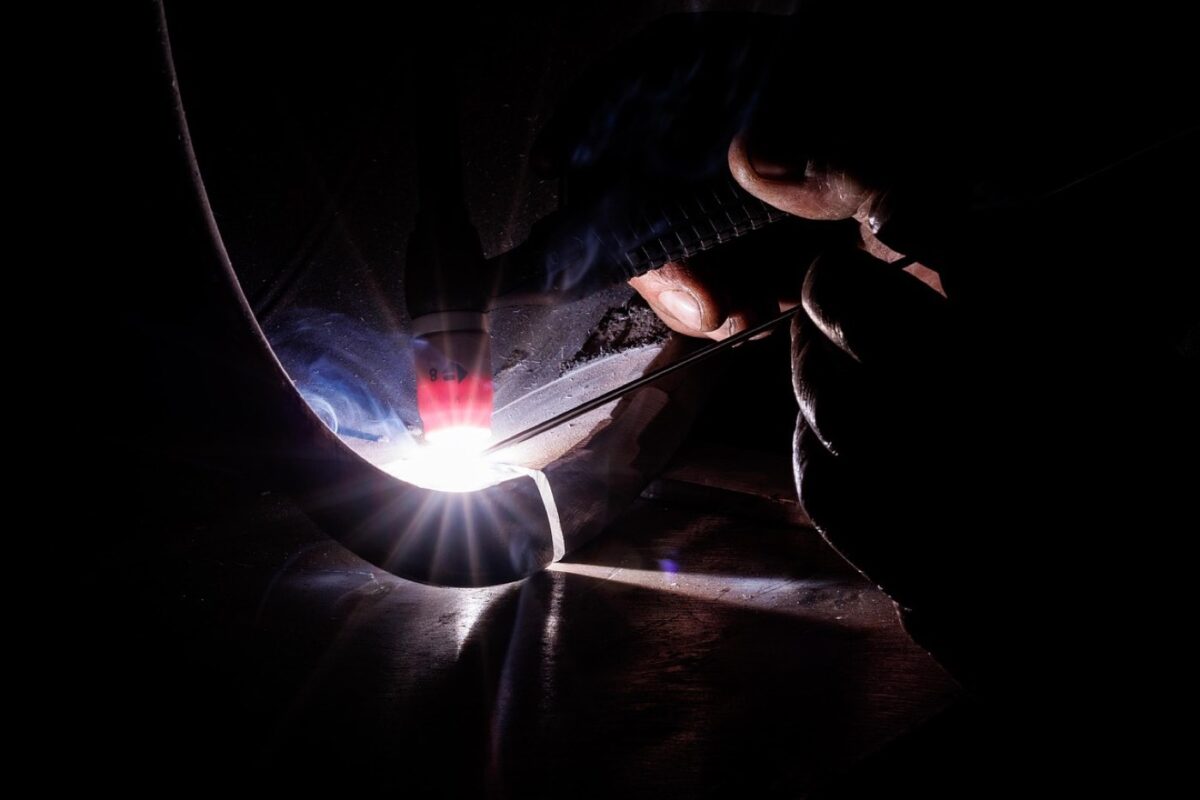
Welding exposes workers to multiple hazards: intense light and UV, hot sparks and spatter, fumes and gases, noise, falls and crushing, and shock. OSHA requires an employer risk assessment and provision of personal protective equipment (PPE) when hazards are present (29 CFR 1910.132). This guide explains how to match PPE to the welding task and where to look in OSHA, NIOSH/CDC and AWS guidance for details. [OSHA, consulté le 04/09/2026]
Why choosing the right PPE matters for welding

Soldering and welding generate hazards that act on different parts of the body at once. Arc welding produces intense optical radiation and ultraviolet/infrared that can damage eyes and skin; molten metal and sparks create burn and puncture risks; welding processes release metal fumes and gases that can impair respiratory health; and adjacent operations such as grinding add noise and impact hazards.
OSHA standards for personal protective equipment and for welding, cutting and brazing set the legal frame: the employer must evaluate workplace hazards and provide appropriate PPE where needed. The selection of PPE must reflect the specific process, materials and environment rather than a one-size-fits-all choice. [OSHA Personal Protective Equipment; OSHA — Welding, Cutting, and Brazing — Standards, consultés le 04/09/2026]
Using PPE without addressing engineering controls leaves residual risk. Ventilation, local exhaust and worksite controls are the primary measures for airborne contaminants; PPE complements those controls when exposures remain. OSHA and NIOSH guidance emphasize hierarchy: control hazards first, then provide PPE based on the residual hazards identified during the risk assessment. [OSHA 29 CFR 1910.132; OSHA 1926.353; NIOSH respirators, consultés le 04/09/2026]
How to evaluate what PPE you need: a practical method
Start with a documented hazard assessment. Identify the welding process in use (for example, gas metal arc welding, gas tungsten arc welding, shielded metal arc welding, oxyfuel cutting, plasma cutting), the materials and coatings present, the work environment (open shop, confined space, near-by tasks), and the duration and frequency of exposure. Record potential contaminants such as galvanized coatings, lead or hexavalent chromium that require specific controls.
Next, match identified hazards to PPE categories. For eye and face hazards consider arc flash and spatter; for respiratory hazards consider airborne metal fumes and gases; for skin and hand hazards consider burns and molten metal; for hearing hazards consider nearby grinding or plasma cutting; for head and foot hazards consider impact and hot spatter. The OSHA requirement to evaluate and provide PPE is laid out in 29 CFR 1910.132. [OSHA, consulté le 04/09/2026]
Where airborne contaminants are possible, determine whether engineering controls (local exhaust, general ventilation) can reduce exposures below concern. If not, select respiratory protection approved by NIOSH and implement an OSHA-compliant respiratory protection program that includes fit testing and training. For confined space work, add atmospheric monitoring and specific confined-space procedures before wearing PPE alone. [OSHA 1926.353; NIOSH respirators, consultés le 04/09/2026]
Eye and face protection: helmets, filters and safety glasses
The welding helmet protects against arc radiation, UV/IR, and spatter. Helmets use either fixed-density filters or auto-darkening filters; guidance from OSHA and industry groups addresses helmet selection and filter shades in relation to process intensity. Helmets must be used in combination with other protectors when recommended by the hazard assessment.
Safety glasses certified to ANSI/ISEA Z87.1 are commonly worn under welding helmets to protect against flying particles and spatter. OSHA guidance and AWS publications recommend wearing ANSI Z87.1-compliant eyewear beneath a welding helmet when the task or environment creates a risk of airborne particles. Selection of lens shade for welding is process-dependent; refer to OSHA and the ANSI guidance cited in OSHA publications for specific filter recommendations rather than relying on informal rules. [OSHA publication OSHA3151; NIOSH/CDC eyewear bulletin; AWS guidance, consultés le 04/09/2026]
Faceshields and combined helmet/face systems protect against both impact and radiant hazards when chosen to match the task. Compatibility matters: ensure helmets, face shields and safety glasses are compatible and do not create gaps in protection. Employers should document the rationale for chosen eye and face PPE in the hazard assessment and provide training on inspection and replacement criteria. [OSHA; NIOSH; AWS, consultés le 04/09/2026]
Respiratory protection and ventilation
Ventilation and local exhaust are the first-line controls for welding fumes. When ventilation cannot reduce exposures sufficiently, respiratory protection approved by NIOSH is required. OSHA and NIOSH materials outline respirator types and their appropriate use for welding fumes and hazardous metal exposures.
Respirators must be selected based on the contaminant and concentration determined by the hazard assessment. NIOSH-approved air-purifying respirators, powered air-purifying respirators (PAPR), or supplied-air systems may be appropriate depending on the situation. The presence of specific toxic metals or work in confined spaces will affect the selection. OSHA requires a written respiratory protection program that includes fit testing, medical evaluation and training when respirators are used. [OSHA 1926.353; NIOSH respirators, consultés le 04/09/2026]
An N95 filter alone is not sufficient for typical welding fumes that contain metal oxides or for gases. Refer to NIOSH/CDC guidance for respirator selection and to OSHA standards for program requirements. Document ventilation performance and respirator use decisions as part of the site record. [NIOSH respirators; OSHA, consultés le 04/09/2026]
Gloves, clothing and body protection
Gloves for welding are usually thick leather designed to resist heat and molten-metal penetration. Choose glove materials and styles appropriate for the process: heavy gloves for high-spatter arc welding or thinner, more dexterous gloves for lighter TIG work when heat and dexterity balance is required. The hazard assessment must guide glove selection rather than a single default choice.
Clothing should provide full coverage and resist ignition and melting. Recommended options include flame-resistant fabrics and leather for areas with heavy spatter. Avoid materials that readily melt when exposed to heat, and use aprons, jackets, and leggings where high projection risk exists. AWS and CDC appendices list typical clothing recommendations and emphasize covering exposed skin. [AWS; CDC Appendix A – Welding Safety Gear List, consultés le 04/09/2026]
Inspect PPE for damage before use and remove garments contaminated with hazardous materials. Record maintenance and replacement criteria in site procedures so that clothing remains functional against the identified hazards. [CDC / AWS guidance, consultés le 04/09/2026]
Hearing, head and foot protection
Hearing protection is required where noise and impulsive sounds from welding or adjacent operations exceed safe thresholds. Use earplugs or earmuffs appropriate to measured noise levels. When grinding or plasma cutting is performed adjacent to welding, include hearing protection in the PPE ensemble.
Hard hats are indicated where overhead impact or falling object hazards exist. Safety footwear with reinforced toes protects against crushing and hot-spatter penetration. Selection should reflect the workplace exposures identified in the hazard assessment. OSHA and AWS guidance describe these protections in the context of welding operations. [OSHA; AWS, consultés le 04/09/2026]
Hazards tied to specific materials and procedures
Some metals and coatings require additional controls. Galvanized steel, for example, can produce zinc oxide fumes when heated. Materials containing lead or chromium(VI) create specific toxic exposures that demand ventilation and respiratory protection beyond routine fume control. The hazard assessment must identify these materials and apply targeted controls in line with OSHA and NIOSH guidance.
Welding in confined spaces brings unique hazards: oxygen deficiency, toxic atmospheres and limited egress. Confined-space welding requires atmospheric monitoring, ventilation, rescue means and procedures defined by OSHA for confined spaces. Documented procedures and appropriate PPE selection are essential before entry. [OSHA; NIOSH; CDC, consultés le 04/09/2026]
Cutting processes such as plasma or oxyfuel introduce different heat and light profiles; PPE choices should reflect the thermal and optical output of the chosen process. Refer to process-specific guidance in OSHA and AWS materials for the correct filter shades and garment protection strategies. [OSHA; AWS, consultés le 04/09/2026]
Good practices for use and maintenance of PPE
Inspect PPE before each use for cracks, worn straps, damaged lenses or compromised seals. Keep spare consumables such as replacement lenses or filters on site according to manufacturer instructions and site procedures. Store PPE away from contaminants and sunlight to prevent material degradation.
Ensure compatibility between items: for example, a respirator must not interfere with the seal of eye protection or the function of a welding helmet. Provide training on donning, doffing, inspection and limitations of each PPE item. Where respirators are used, implement fit testing and medical clearance per OSHA requirements. Maintain records of training and fit testing as part of the employer’s compliance documentation. [OSHA; NIOSH, consultés le 04/09/2026]
When to consult regulations or an HSE specialist
Refer to OSHA, NIOSH/CDC and AWS guidance when the hazard assessment reveals toxic metals, unknown atmospheres, confined-space entry, or when planned controls do not reduce exposures to acceptable levels. Situations that typically require regulatory consultation or an HSE specialist include welding on galvanized coatings, work involving lead or chromium VI, and work in enclosed or permit-required confined spaces.
OSHA standards and AWS technical guidance provide step-by-step requirements and recommended practices. When uncertainty remains after consulting these documents, a safety professional or industrial hygienist can perform exposure monitoring and advise on control measures and PPE selection. [OSHA; NIOSH; AWS, consultés le 04/09/2026]
Quick practical checklist
Evaluate the process, materials and environment. Prioritize ventilation and local exhaust. Select eye/face, respiratory, hand, body, hearing, head and foot protection based on the residual hazards identified. Implement training, inspection and maintenance routines and document the hazard assessment and PPE program as required by OSHA. The employer is responsible for that assessment and for providing appropriate PPE. [OSHA; NIOSH; AWS, consultés le 04/09/2026]
What we don’t know
- No workplace-specific exposure measurements have been provided here; this page does not include quantitative exposure data or incidence statistics. If numeric exposure levels or injury frequencies are needed, obtain occupational monitoring data or consult the Bureau of Labor Statistics and cite those sources with dates.
- This article does not recommend specific brands, models or commercial products. Selection of a particular helmet, respirator or glove model requires matching product specifications to the documented hazards and verifying approvals from the appropriate testing body.
Sources and official resources (consulted 04/09/2026)
- OSHA — Personal Protective Equipment – Overview. https://www.osha.gov/personal-protective-equipment, consulté le 04/09/2026.
- OSHA — Welding, Cutting, and Brazing – Standards. https://www.osha.gov/welding-cutting-brazing/standards, consulté le 04/09/2026.
- OSHA — Personal Protective Equipment (publication PDF, OSHA3151). https://www.osha.gov/sites/default/files/publications/OSHA3151.pdf, consulté le 04/09/2026.
- OSHA — 1926.353 Ventilation and protection in welding, cutting, and heating. https://osha.prod.pace.dol.gov/laws-regs/regulations/standardnumber/1926/1926.353, consulté le 04/09/2026.
- NIOSH / CDC — The Manufacture and Selection of Eye Protection at Work (bulletin). https://www.cdc.gov/niosh/bulletin/2022/eyeware.html, consulté le 04/09/2026.
- NIOSH / CDC — Respirator Types and Use (PPE/Respirators). https://www.cdc.gov/niosh/ppe/respirators/, consulté le 04/09/2026.
- CDC — Appendix A – Welding Safety Gear List. https://stacks.cdc.gov/view/cdc/207087/cdc_207087_DS1.pdf, consulté le 04/09/2026.
- American Welding Society — Choosing the Right PPE for Welding Safety. https://www.aws.org/magazines-and-media/welding-digest/2023/november/wd-oct-23-choosing-ppe-for-welding, consulté le 04/09/2026.
- American Welding Society — Welding Digest (June 2024) Safety First: Finding the Right PPE for Your Needs. https://www.aws.org/magazines-and-media/welding-digest/2024/june/wd-jun-24-safety-first-finding-the-right-ppe-for-your-needs, consulté le 04/09/2026.

Rédactrice · travaux, rénovation, matériaux
Élodie se concentre sur les techniques de rénovation et l'utilisation des matériaux innovants. Elle s'assure de la véracité des contenus en se basant sur des études et des témoignages d'experts avant publication.
Dans Sécurité & Certifications

8 septembre 2026
Understanding Discoloration in Stainless Steel Welding
7 septembre 2026
Essential Protective Gear for Metal Work at Home
7 septembre 2026