Accueil Outils et Consommables
Outils et Consommables
MIG vs flux cored : meilleur choix pour extérieur venteux
Comparaison entre fil MIG (GMAW) et fil tubulaire (FCAW) pour travaux extérieurs et par vent. Résumé des avantages, limites et recommandations selon usage.
Gabriel Chevalier 9 min de lecture
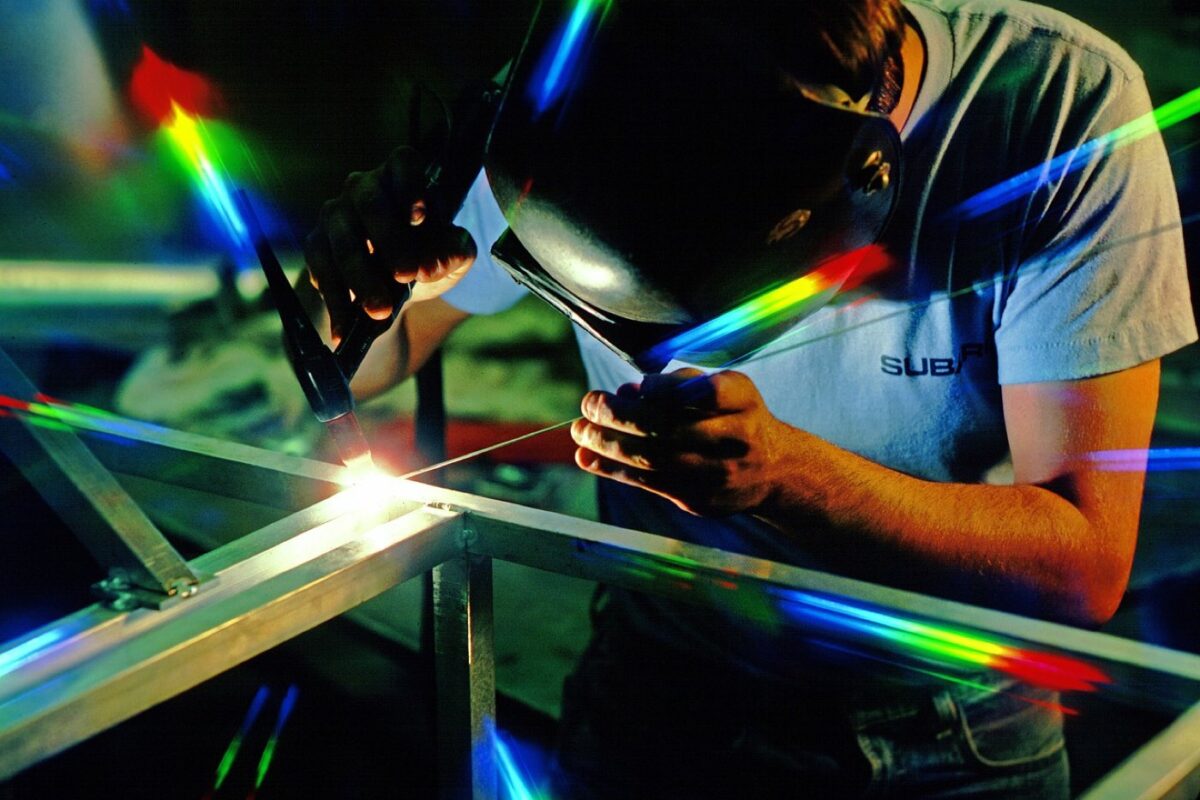
This comparison looks at two common consumables for outdoor and windy conditions: MIG with solid wire (GMAW) and flux‑cored wire (FCAW). It is an editorial overview of shared features, key differences, a concise comparison table, and conditional recommendations by use case. This comparison is editorial only; for project‑critical welding follow applicable AWS guidance, manufacturer datasheets, and your project WPS.
What they have in common
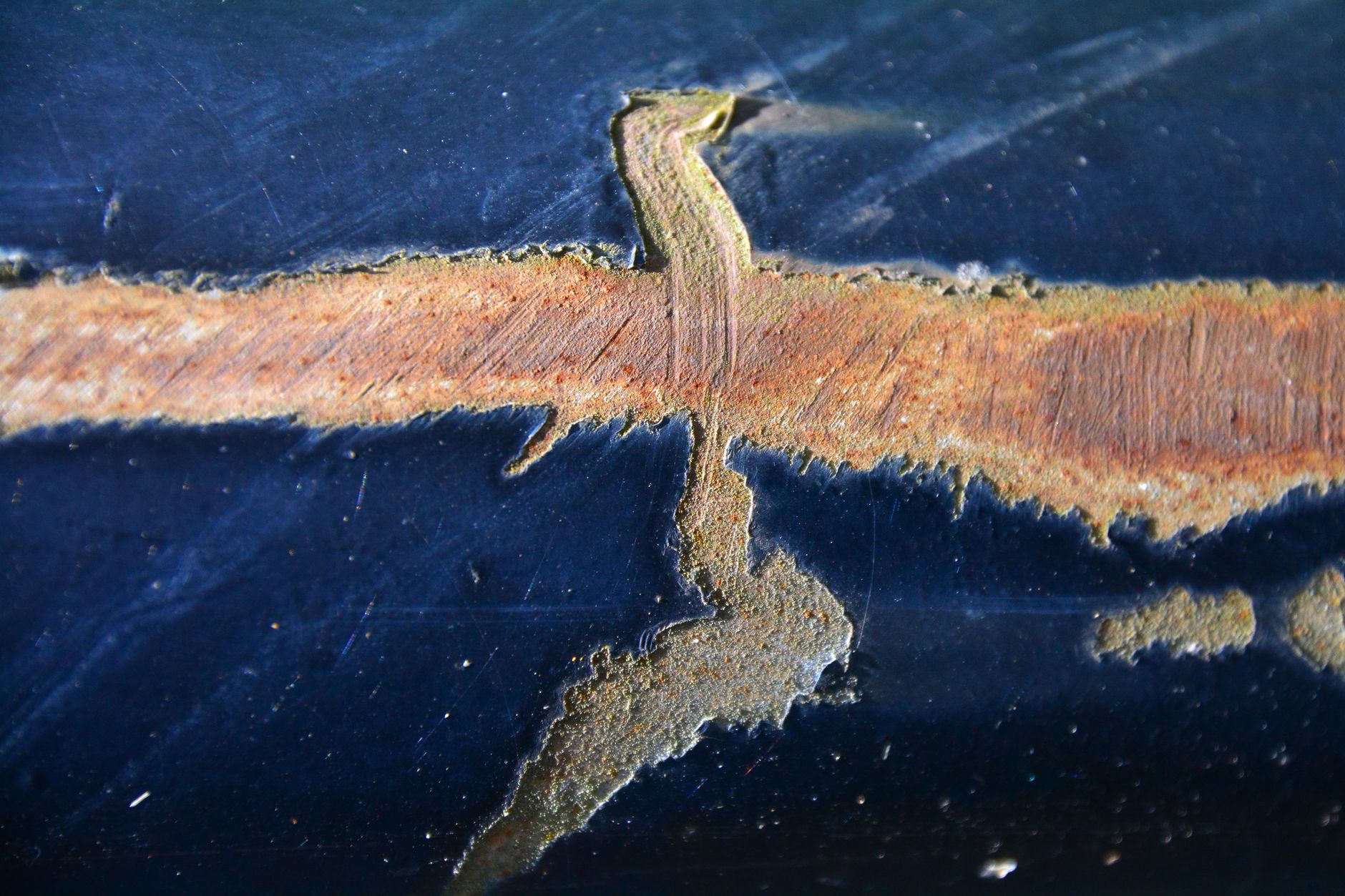
Both MIG with solid wire (GMAW) and flux‑cored wire (FCAW) use a continuous wire feed from a spool and a wire‑feed power source. They share basic operational elements: a wire feeder, a welding gun, and a power supply. As consumable‑based arc processes, both require an operator to set appropriate voltage and wire speed parameters for the chosen wire and joint geometry; specific machine settings are outside the scope of this comparison and should be obtained from manufacturer guidance or a qualified WPS.
Both processes can join similar base metals such as mild steel when the correct wire chemistry is selected. Operator skill affects weld quality in either process; wind, joint fit, and surface condition are factors that influence the resulting weld regardless of consumable choice. For project work, check codes and inspection requirements that may limit consumable choices for structural or critical welds.
Flux‑cored wire (FCAW): what it is and why it matters outdoors
Flux‑cored arc welding uses a tubular wire filled with flux. FCAW comes in two main variants: self‑shielded (FCAW‑S, gasless) and gas‑shielded (FCAW‑G, which uses external shielding gas). The distinction is fundamental: self‑shielded wires generate shielding from the flux inside the wire, removing the need for an external gas supply, while gas‑shielded flux‑cored wires add external gas similar to MIG setups.
Self‑shielded FCAW is commonly recommended for outdoor and windy work because the flux inside the wire creates a protective atmosphere that is not dispersed by wind the way external shielding gas can be. Industry and manufacturer references recommend self‑shielded flux‑cored products for fieldwork, shipbuilding, and pile driving applications where wind, portability, and dirty surfaces are common.
Trade‑offs are part of the FCAW picture. Flux‑cored wires tend to deposit more filler metal and can penetrate thicker sections effectively, which improves productivity on heavier assemblies. That higher deposition typically brings more slag and more spatter; slag removal and post‑weld cleaning are routine with FCAW and add time before final inspection or finishing. Flux‑cored processes may also produce more visible smoke and require considerations for slag removal when fit‑up or aesthetics matter.
MIG with solid wire (GMAW): what it is and where it excels
GMAW with solid wire uses a solid consumable and an external shielding gas to protect the molten weld pool. When shielding gas coverage is maintained, MIG tends to produce cleaner beads with less slag and generally less post‑weld cleanup. That cleaner finish and the ability to produce low‑spatter welds make MIG the preferred option for thin sheet, cosmetic work, and many shop environments.
The downside outdoors is vulnerability to wind. External shielding gas can be dispersed by even moderate wind, causing porosity and weld defects. Manufacturers and training centers recommend MIG for controlled, indoor environments or where wind can be reliably blocked. To use MIG in exposed conditions requires site mitigation to preserve shielding gas coverage.
There are mitigation techniques that can reduce wind effects on gas‑shielded processes—physical windbreaks, trailing shields, or orienting the work to shelter the weld—but each is a site‑level solution rather than a change to the consumable itself. When mitigation is impractical, switching to a self‑shielded flux‑cored wire is a commonly cited alternative for field welding.
Side‑by‑side differences and what they change on site
Shielding method and wind sensitivity: FCAW‑S generates shielding internally and tolerates wind better; gas‑shielded MIG and FCAW‑G rely on external gas and are sensitive to wind, which raises the risk of porosity.
Equipment and logistics: FCAW‑S removes the cylinder from the logistics chain, making the setup more portable for remote or mobile repairs. MIG and FCAW‑G require gas cylinders and regulators, which adds handling and site planning.
Weld cleanliness and finish: MIG produces cleaner welds with less slag and typically less post‑weld cleaning. FCAW produces slag that must be chipped or ground, and tends to generate more spatter—this affects finishing time and final appearance.
Productivity and deposition: Flux‑cored wires commonly offer higher deposition rates and deeper penetration on thicker sections, which can increase throughput on heavy assemblies. That productivity advantage can make FCAW the preferred choice where cleanup time is acceptable.
Surface tolerance: FCAW is more tolerant of dirty or rusty surfaces than MIG, which makes it more forgiving in field repair situations where ideal surface prep is not possible. For structural or inspected welds, verify consumable acceptance with project codes and the applicable WPS.
Code and inspection considerations: Some projects and codes restrict or require specific consumables or processes. Always confirm acceptance of FCAW or MIG variants with project specifications, AWS standards, or code authorities before proceeding on critical welds.
Comparison table
| Aspect | MIG with solid wire (GMAW) | Flux‑cored wire (FCAW) |
|---|---|---|
| Shielding | External shielding gas required; vulnerable to wind | Self‑shielded (FCAW‑S) or gas‑shielded (FCAW‑G); FCAW‑S does not rely on external gas |
| Wind performance | Poorer in open wind without mitigation; risk of porosity | Self‑shielded FCAW tolerates wind better; manufacturer notes cite product wind resistance in technical notes |
| Portability | Requires gas cylinder handling on site | FCAW‑S removes need for cylinder, improving portability |
| Surface tolerance | Better with clean surfaces; less forgiving of rust/contamination | More tolerant of dirty or rusty surfaces; commonly used for field repairs |
| Finish & cleanup | Cleaner bead, less slag, less post‑weld cleanup | Produces slag and more spatter; requires slag removal and more finishing time |
| Deposition & productivity | Lower deposition on many thin‑wire setups; suited to thin or cosmetic work | Higher deposition and penetration on thicker sections; often favored for productivity on heavy work |
| Typical uses | Controlled shop work, thin sheet metal, cosmetic joints | Outdoor construction, shipbuilding, pipe and pile work, mobile repairs |
| Code/inspection notes | Verify with project specs and WPS for acceptance | Verify with project specs and WPS; some environments or codes specify consumables |
Verdict by use‑case (no single winner)
For mobile site work in windy or exposed conditions—structural erection, remote farm repairs—lean toward self‑shielded FCAW because it does not rely on external gas and is widely recommended for fieldwork.
For thin‑gauge sheet, cosmetic panels, or shop work where finish matters and wind can be controlled, MIG with solid wire and external shielding gas remains the preferred choice for cleaner beads and less post‑weld cleanup.
For thick structural sections where productivity and deposition rate are priorities and post‑weld cleanup is acceptable, flux‑cored wire is commonly favored for its higher deposition and penetration characteristics.
Where project codes, inspection requirements, or a WPS demand specific consumables or lower slag production, confirm with the project specifications—MIG, FCAW‑G, or specific FCAW classifications may be required.
When portability without cylinders is a priority and site conditions are variable, self‑shielded FCAW offers logistical advantages that many manufacturers and training centers cite for outdoor work.
Quick on‑site mitigation tips
- Use temporary windbreaks or screens to reduce shielding gas dispersion when attempting gas‑shielded processes.
- Orient the weld or schedule work to minimize exposure to prevailing winds when possible.
- Consider trailing shields or localized shielding attachments on the gun for critical gas‑shielded welds if manufacturer guidance supports them.
- For field repairs on dirty or rusty surfaces, choose consumables and joint prep methods consistent with manufacturer guidance and AWS recommendations.
- Always verify consumable acceptance and required inspections against project WPS and applicable codes before welding structural components.
Further reading and must‑check sources
Consult manufacturer technical notes and AWS publications for project‑critical decisions and machine settings. The items below provide detailed guidance and the technical background cited in this comparison.
Can I use MIG outdoors in light wind?
Using MIG outdoors in light wind is possible with proper windbreaks or other shielding mitigation, but external shielding gas remains vulnerable to dispersion and can cause porosity; manufacturers recommend sheltering the weld or using self‑shielded options for exposed conditions.
Is flux‑core as strong as MIG?
Strength depends on wire chemistry, flux type, joint, and the applicable WPS. Some flux‑cored consumables produce welds comparable for many structural uses, but verification against mechanical requirements and project codes is required before assuming equivalence.
Does flux‑core require more cleanup?
Yes. Flux‑cored welding typically produces slag that must be removed and often more spatter than gas‑shielded MIG, which increases post‑weld cleanup time.
What we don’t know
- Search traffic or query volume for the target phrase is not available in this brief and is not estimated here.
- Site DATA‑BANK numbers such as local wire costs per pound or fleet machine mix are not provided and are not included.
- Project‑specific WPS, local code constraints, and acceptance criteria for any given jobsite are not known and must be checked by the user.
Sources (consulted 09/04/2026)
- Miller Electric — « Solid Wire Versus Flux‑Cored Wire — When to Use Them and Why ». https://prod.millerwelds.com/en-us/resources/knowledge-hub/mig-welding/how-to/solid-wire-versus-flux-cored-wire-when-to-use-them-and-why — consulted 09/04/2026
- AWS Welding Digest — « Flux‑Cored Arc Welding (FCAW): What it is, how it works & troubleshooting » (Sept 2025) and « Flux‑Cored Arc Welding — principles, applications and common challenges » (Dec 2025). https://www.aws.org/magazines-and-media/welding-digest/2025/september/wd-sept-2025–flux-core-arc-welding-fcaw-what-it-is-how-it-works-and-how-to-fix-common-issues/ ; https://www.aws.org/magazines-and-media/welding-digest/2025/december/wd-dec-2025–flux-cored-arc-welding–principles-applications-and-common-challenges/ — consulted 09/04/2026
- Weldability SIF — « Flux‑Cored Welding Outdoors & On Site ». https://weldability-sif.com/knowledge-centre/welding-consumables/flux-cored-welding-outdoors/ — consulted 09/04/2026
- Miller Electric — « Flux‑Cored Welding: The basics for mild steel ». https://www.millerwelds.com/en-US/resources/knowledge-hub/mig-welding/how-to/flux-cored-welding-the-basics-for-mild-steel — consulted 09/04/2026
- WeldBase — « MIG vs Flux‑core ». https://weldbase.au/compare/mig-vs-fcaw/ — consulted 09/04/2026
- WeldingRanked — « Flux Core vs MIG Welding (2026) ». https://weldingranked.com/articles/flux-core-vs-mig-welding/ — consulted 09/04/2026
- Welders Supply — « Flux‑Core Welding Outdoors: Self‑Shielded Wire for Wind and Field Work ». https://www.welders-supply.com/welding-processes/flux-cored-welding/flux-core-outdoor-welding/ — consulted 09/04/2026
- Wikipedia — « Flux‑cored arc welding ». https://en.wikipedia.org/wiki/Flux-cored_arc_welding — consulted 09/04/2026
- Kobelco — technical note referencing wind resistance of some self‑shielded wires (Welding Today PDF). https://www.kobelco.co.jp/english/products/welding/weldingtoday/pdf/kwt2020-02.pdf — consulted 09/04/2026

Rédacteur spécialisé · soudure, métallerie, bricolage
Gabriel couvre l'univers de la soudure et de la métallerie, partageant des conseils pratiques et des méthodes efficaces. Il vérifie chaque information à l'aide de sources fiables pour garantir la qualité de ses articles.
Dans Outils et Consommables
16 septembre 2026
New Plasma Power Source: A Game Changer for Home Metal Fabrication
15 septembre 2026
Features of the Grizzly Horizontal Miter-Cutting Band Saw
15 septembre 2026