Accueil Outils et Consommables
Outils et Consommables
Gaz de protection pour MIG : argon, CO2 ou mélange ?
Comparaison des gaz pour MIG : argon, CO2, mélange (ex. 75/25) et tri‑mix. Avantages, inconvénients et usages selon matériaux : acier, aluminium, inox.
Élodie Barbier 7 min de lecture
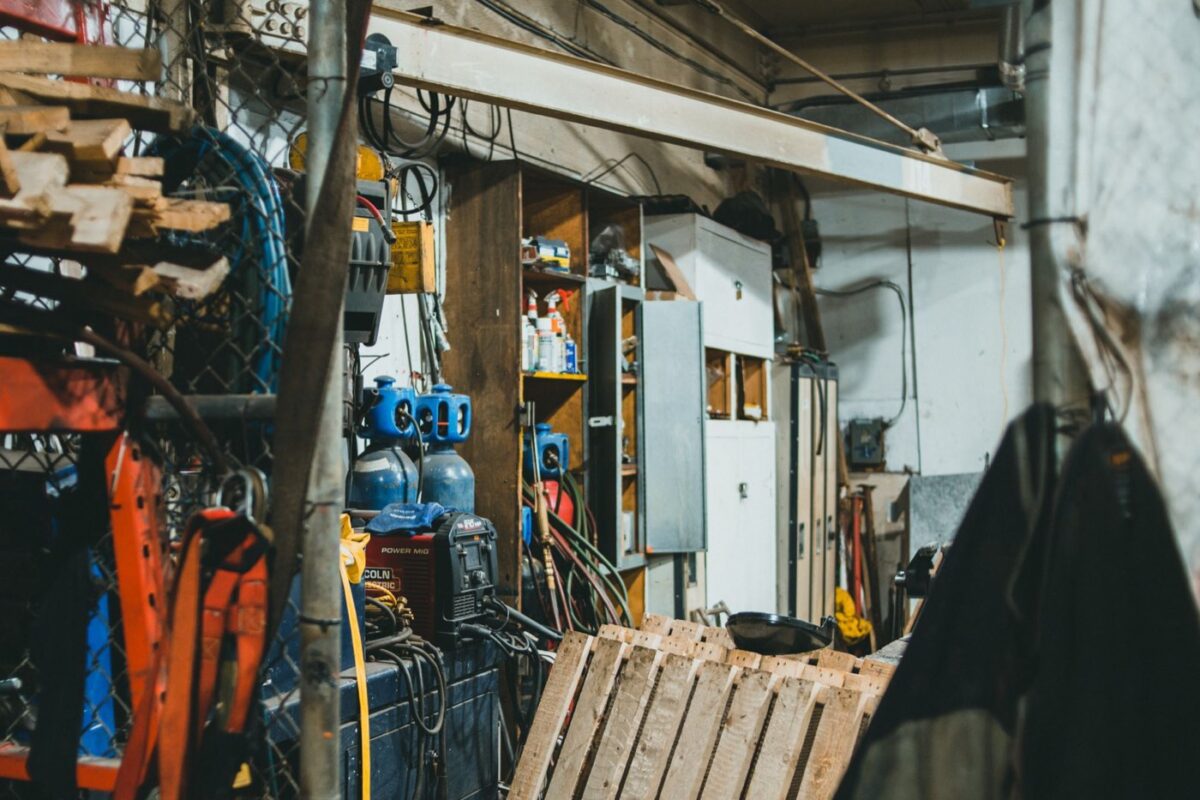
This comparison lists the common shielding gas options for MIG/MAG welding — pure argon, pure CO2, argon/CO2 mixes (e.g., 75/25), low‑CO2 mixes for stainless, and tri‑mix (Ar/He/CO2) — and explains where each is typically used, their tradeoffs and practical notes (sources cited). See the quick comparison table first, then a dedicated section for each solution and a profile‑based verdict.
Quick comparison table

| Solution | Advantages | Inconveniences | Target materials | Transfer | Notes |
|---|---|---|---|---|---|
| Pure argon | Good for TIG and aluminum; clean weld appearance for appropriate processes (TIG/Al) | Unstable arc and poor penetration if used alone on carbon steel in MIG | Aluminum, TIG applications | TIG / specialized MIG with adjustments | Not recommended alone for carbon steel (see source: SearsParts PDF) |
| Pure CO2 (100% CO2) | Deeper penetration; lower operational cost | More spatter; rougher arc; poorer bead appearance | Carbon steel production where penetration and cost matter | Short‑circuit and spray capable depending on setup | Widely used in production environments (Welders Supply) |
| Argon/CO2 mixes (e.g., 75/25 C25) | Stable arc; smoother metal transfer; better bead appearance vs CO2 | Higher cost than pure CO2; compromise required between appearance and penetration | Carbon steel (general use), hobby and workshop work | Short‑circuit and better control of transfer | 75/25 often cited as a standard for carbon steel (Welders Supply) |
| Low‑CO2 mixes for stainless & tri‑mix | Stabilizes arc for stainless without altering corrosion resistance; tri‑mix increases arc heat | Helium raises cost and requires machine adjustments; mixes require matching to wire/process | Stainless steel, thicker sections requiring more heat | Spray or pulsed spray for thicker sections; better fluidity with helium | Low CO2 (e.g., 98/2) and tri‑mixes recommended for stainless (Miller, TradesCalcs) |
Pure argon
Pure argon is primarily associated with TIG welding and aluminum MIG processes. It produces a clean weld pool under those processes and is a common purge gas for applications that need a contaminant‑free environment (Wikipedia: Shielding gas; consult 04/09/2026).
On carbon steel in a conventional MIG setup, argon alone tends to give an unstable arc and limited penetration, often described as a “digging” or fingertip penetration pattern. Practical guidance therefore advises against using pure argon alone for carbon steel MIG without additional stabilizers (SearsParts PDF, consult 04/09/2026).
Where argon is used for aluminum or TIG, users must check compatibility with wire type and machine profiles. For MIG aluminum work, argon or argon/helium blends may be selected depending on performance needs (Wikipedia: Weld purging; consult 04/09/2026).
Pure CO2 (100% CO2)
Pure CO2 delivers greater penetration into carbon steel and is often chosen where penetration and cost control outweigh cosmetic finish. The deeper penetration characteristic of CO2 makes it attractive for production or heavy fabrication settings (Welders Supply, consult 04/09/2026).
The tradeoff is increased spatter and a rougher cord appearance compared with argon/CO2 mixtures. Operators will commonly observe more cleanup required and a less smooth transfer of metal when welding with CO2 only (Welders Supply, consult 04/09/2026).
CO2 can be used successfully across various transfer modes, but setup and machine parameters should be validated on the actual wire and joint. For guidance on machine settings and safe use consult dedicated machine or gas technical pages and MSDS documents rather than relying on generic numbers.
Argon / CO2 mixtures (examples: 75/25 « C25 », 85/15, 90/10)
Argon/CO2 mixtures balance arc stability and appearance with penetration and cost. These mixes are commonly chosen for carbon steel because they deliver smoother metal transfer than pure CO2 while retaining useful penetration (Welders Supply; Dupuy Oxygen, consult 04/09/2026).
The 75% Ar / 25% CO2 mix (C25) is frequently cited as a standard for carbon steel: it provides stable transfer and a good bead appearance for many workshop applications. Variants with lower CO2 (85/15, 90/10) reduce spatter further at the expense of some penetration, making them attractive when appearance is prioritized (Welders Supply, consult 04/09/2026).
Choice of mix must account for the wire type: flux‑cored wires and solid wires can require different gas choices. For flux‑cored electrodes some products are designed to perform with higher CO2 percentages (Weldability SIF, consult 04/09/2026). Refer to specific wire datasheets and the “wire vs flux” guidance pages for matched recommendations.
Low‑CO2 mixes for stainless and tri‑mix (Ar/He/CO2)
For stainless steel, small additions of CO2 (examples cited: 2–5% CO2 such as 98% Ar / 2% CO2) are used to stabilize the arc while preserving corrosion resistance and alloy characteristics. These low‑CO2 mixes help maintain desirable metallurgy for stainless applications (MillerWelds, consult 04/09/2026).
Tri‑mix blends that include helium (Ar + He + CO2), or helium‑dominant mixes, are applied where more arc heat and improved fluidity of the weld pool are needed — typically on thicker stainless sections or when faster travel and deeper penetration are required. Helium increases arc energy but also increases gas cost and can require specific machine tuning (MillerWelds; TradesCalcs, consult 04/09/2026).
Using helium‑containing gases obliges operators to verify machine compatibility and adjust flow rates and welding parameters according to the gas supplier and machine documentation. Manufacturers’ recommendations and MSDS files should be consulted before deploying these mixes on production parts.
Criteria to consider when choosing a shielding gas
Material type: carbon steel, stainless steel and aluminum behave differently with the same gas. Stainless requires mixes that preserve corrosion properties; aluminum is typically welded with argon or argon/helium blends (MillerWelds; Wikipedia).
Thickness and desired penetration: thicker sections and production work often prioritize penetration and cost, which can favor CO2 or higher CO2 mixes. Thin material and aesthetic priorities push toward higher argon content mixes for smoother transfer (Welders Supply; TradesCalcs).
Wire type and transfer mode: solid wire vs flux‑cored and short‑circuit vs spray/pulsed modes influence optimal gas selection. Some flux‑cored wires are formulated for higher CO2 contents; some pulsed or spray processes pair better with helium or tri‑mixes (Weldability SIF; MillerWelds).
Operational cost and machine compatibility: helium raises gas cost and may require machine profiles that support specific mixes. Verify machine documentation and supplier guides before selecting helium‑containing gases (MillerWelds; TradesCalcs).
Settings & practical checks
Gas flow and compatibility: gas flow rates and nozzle setups vary with gas composition and environment. Because flow recommendations are context dependent, consult manufacturer technical pages and MSDS files for exact figures rather than applying generic values.
Machine programming: some machines include preset profiles for common mixes (e.g., 98/2). Confirm that machine profiles and wire feeders are set for the chosen gas and wire combination (MillerWelds, consult 04/09/2026).
Safety and MSDS: consult supplier MSDS and safety guidance for handling and storage of gases. Do not rely on this comparison for safety procedures; use vendor MSDS documents and OSHA guidance where appropriate.
Which gas for which user — verdict by profile
Hobby / home workshop (thin mild steel, aesthetics wanted): an argon/CO2 mix with low to moderate CO2 (examples cited: 85/15 or 75/25) is frequently recommended for balanced appearance and arc stability (Welders Supply, consult 04/09/2026).
Production / heavy fabrication (priority: penetration and cost): pure CO2 or mixes with higher CO2 are commonly used where penetration and lower gas cost are decisive factors (Welders Supply, consult 04/09/2026).
Stainless / high‑quality corrosion applications (piping, food equipment): low‑CO2 mixes (e.g., 98/2) or tri‑mixes depending on thickness. Selection must align with wire specification and process (MillerWelds, consult 04/09/2026).
Aluminum / TIG or specialized MIG: argon or argon/helium blends depending on the required heat and fluidity; consult the aluminum‑specific guidance and purge procedures (Wikipedia: Weld purging; consult 04/09/2026).
Short FAQ
Can I use 100% CO2 on stainless steel? It is not recommended for stainless where corrosion resistance and metallurgy matter; low‑CO2 mixes or tri‑mixes are the cited options (MillerWelds, consult 04/09/2026).
What is the most common mix for carbon steel? A 75% Ar / 25% CO2 mix (C25) is frequently cited as a standard for carbon steel, offering stable transfer and good appearance (Welders Supply, consult 04/09/2026).
Is helium worth the extra cost? Helium raises arc heat and improves fluidity for thicker work. Its benefit depends on section thickness and production needs; it also requires machine adjustments and higher gas costs (TradesCalcs; MillerWelds, consult 04/09/2026).
Resources & references
Key references used for this comparison (consulted 04/09/2026): Wikipedia — Shielding gas; Welders Supply — MIG gas types; MillerWelds articles on stainless and DIY gas selection; TradesCalcs shielding gas guide; Weldability SIF shielding gas comparisons; Dupuy Oxygen overview; SearsParts PDF on gas comparison; DoD technical table.
What we do not know (open items)
This page does not provide current local prices or bottle availability. This page does not list specific gas flow rates (L/min or cfh) for each gas under given conditions; flow recommendations vary by environment and supplier and must be checked on manufacturer technical pages. The site data bank was not available at the time of writing; no operational or commercial figures from weldinghoustontx.com are asserted here.
Disclaimer: This comparatif is not a substitute for professional training or suppliers’ technical documentation; always verify gas/wire/machine compatibility and consult MSDS and manufacturer guides before production use.

Rédactrice · travaux, rénovation, matériaux
Élodie se concentre sur les techniques de rénovation et l'utilisation des matériaux innovants. Elle s'assure de la véracité des contenus en se basant sur des études et des témoignages d'experts avant publication.
Dans Outils et Consommables
15 septembre 2026
Features of the Grizzly Horizontal Miter-Cutting Band Saw
15 septembre 2026
Discover the Benefits of the SuperFlash Variable Gas Mixer for Home Welding
13 septembre 2026