Accueil Outils et Consommables
Outils et Consommables
Comparatif des fils MIG: ER70S, E71T et fils métal-cœur
Analyse pratique pour travaux structuraux et automobiles: applications, avantages, inconvénients, critères de choix et références (AWS A5.18, Miller, I‑CAR).
Élodie Barbier 10 min de lecture
This page compares solid MIG wires (ER70S family), flux‑cored E71T variants, and metal‑cored fillers for structural steel and automotive projects, with sources and practical guidance. This is informational and does not replace weld procedure specifications, OEM repair manuals, or AWS codes (see AWS A5.18 reference). https://prod.millerwelds.com/en-us/resources/knowledge-hub/mig-welding/how-to/mig-basics-for-automotive-welding-repair (consulted 09/04/2026)
- Quick comparison table
- ER70S family (solid MIG wires)
- Flux‑cored wires (FCAW)
- Metal‑cored and specialty fillers
- Common selection criteria
- Comparison blocks (pros, cons, checklists)
- Which for which use — verdicts by profile
- Safety, standards and procedure notes
- Further reading & links
- What we do not know
Quick comparison table
| Wire type | Typical applications | Surface tolerance | Shielding gas | Typical advantages | Typical drawbacks | Notes / spec reference |
|---|---|---|---|---|---|---|
| ER70S‑6 (solid) | Automotive body, general fabrication, mild‑steel MIG on A36 in shop | Tolerant of mildly oxidized/rusty surfaces vs cleaner wires | Requires shielding gas for best results | Good arc stability; recommended as general all‑round solid wire | Less deposition than flux‑cored for heavy work | Common industry default for MIG; see Miller and I‑CAR. https://prod.millerwelds.com/en-us/resources/knowledge-hub/mig-welding/how-to/mig-basics-for-automotive-welding-repair (consulted 09/04/2026); https://support.i-car.com/download/2398 (consulted 09/04/2026) |
| ER70S‑3 / ER70S‑2 (solid) | Clean base metal, controlled shop environments | Best on cleaner metal; fewer deoxidizers | Requires shielding gas | Good mechanical properties when base metal is clean | Less tolerant of contaminated surfaces | Classifications per AWS A5.18; see Welders Supply. https://welders-supply.com/welding-processes/mig-welding/mig-welding-wire-types/ (consulted 09/04/2026); https://blog.weldsupportparts.com/2025/12/04/mig-welding-wire-selection-guide-2025-er70s-6-vs-er70s-3-specs/ (consulted 09/04/2026) |
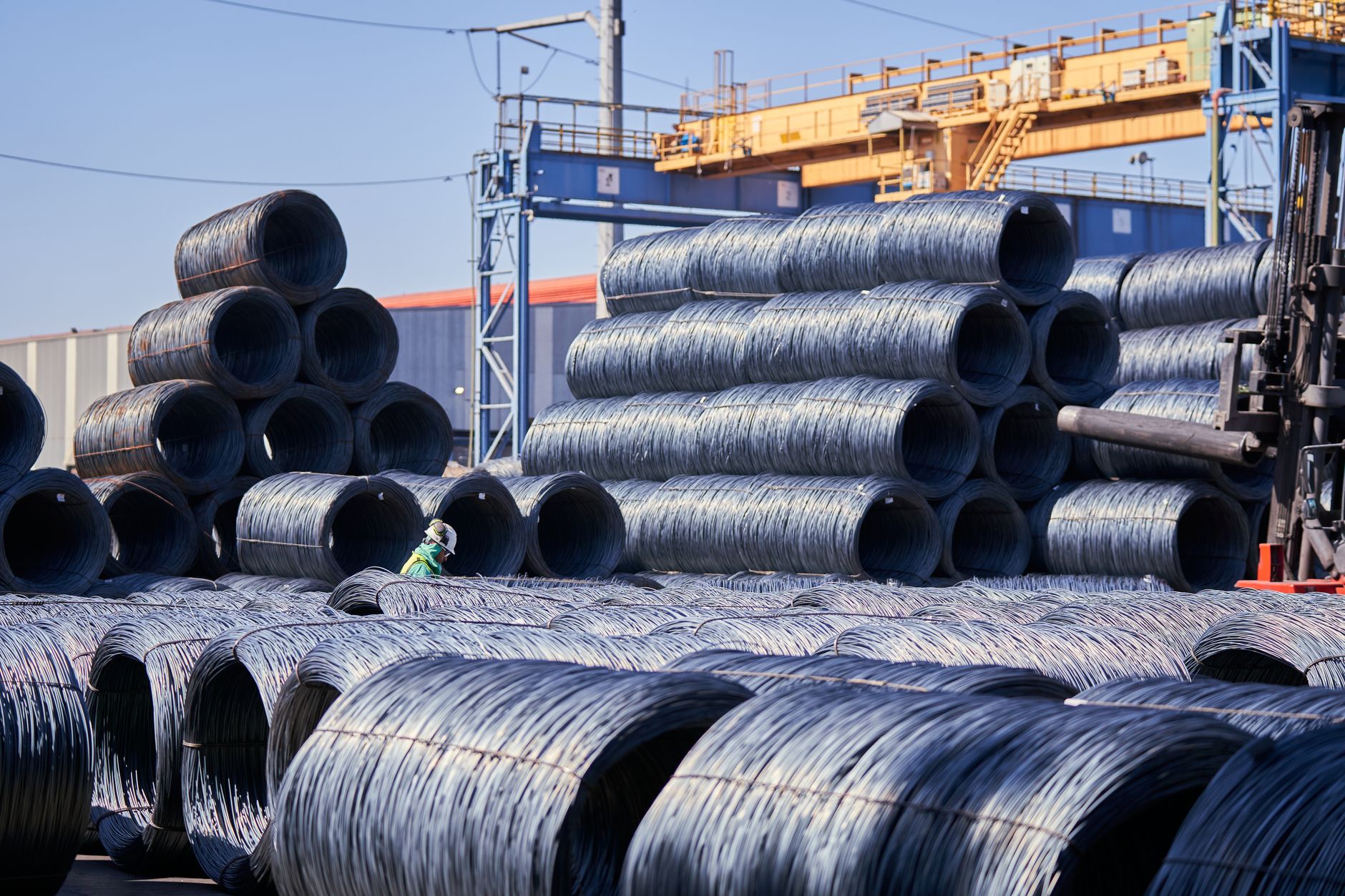
| E71T family (flux‑cored) | Structural, outdoor, high‑deposition applications; some self‑shielded options for no‑gas use | Generally tolerant; designed for outdoor/field use in many variants | Gas‑shielded and self‑shielded variants exist | Higher deposition, useful for heavy plate and outdoor work | Slag and appearance less suited for thin cosmetic automotive panels | Flux‑cored often chosen for deposition/outdoor work. https://millerwelds.com/en-us/resources/knowledge-hub/welding-basics/choosing-what-filler-metal-to-use-for-diy-welding-projects (consulted 09/04/2026); https://welders-supply.com/welding-materials/mild-steel/welding-a36-structural-steel/ (consulted 09/04/2026) |
| Metal‑cored wires | High‑productivity fabrication where arc performance and reduced spatter matter | Depends on product; generally engineered for controlled conditions | Typically require shielding gas | Higher deposition than solid, improved arc, lower spatter than flux core | Higher cost; specialty equipment/tuning may be needed | Consider for productivity-focused shops; see manufacturer technical PDFs. https://daikowelding.com/storage/downloads/01HJQST3ZYXDH2VTCBBMC1B5R4.pdf (consulted 09/04/2026) |
| AWS spec note | AWS A5.18 covers carbon steel GMA (MIG) wire classifications; consult for composition and classification details. https://blog.weldsupportparts.com/2025/12/04/mig-welding-wire-selection-guide-2025-er70s-6-vs-er70s-3-specs/ (consulted 09/04/2026) | |||||
Legend: every table claim links to manufacturer or industry technical guidance listed in sources above. See each section below for expanded details and citations.
What ER70S means
The designation breaks down as E = electrode, R = rod (or filler), 70 = 70 ksi tensile, S = solid wire; the numeric and letter code reflects AWS classification conventions. https://blog.weldsupportparts.com/2025/12/04/mig-welding-wire-selection-guide-2025-er70s-6-vs-er70s-3-specs/ (consulted 09/04/2026)
ER70S‑6: why it is commonly recommended
ER70S‑6 contains deoxidizers such as manganese and silicon that improve arc stability and give better tolerance to mildly contaminated or lightly oxidized surfaces; this tolerance is one reason collision repair resources and MIG guides recommend ER70S‑6 for general automotive bodywork and general fabrication. https://prod.millerwelds.com/en-us/resources/knowledge-hub/mig-welding/how-to/mig-basics-for-automotive-welding-repair (consulted 09/04/2026); https://support.i-car.com/download/2398 (consulted 09/04/2026)
ER70S‑3 and ER70S‑2: when they fit
ER70S‑3 and ER70S‑2 contain fewer deoxidizers and are intended for cleaner base metal and more tightly controlled shop environments; choose them when base metal is clean and process control is high. https://welders-supply.com/welding-processes/mig-welding/mig-welding-wire-types/ (consulted 09/04/2026)
Practical notes on diameters and gas
Manufacturer guidance ties diameter choice to thickness and access, and recommends shielding gas selection per application; where a diameter recommendation appears in sources it is cited (for thin automotive panels see practical notes below). See Miller, Hobart and Weldability technical pages for wire feed and gas tips. https://www.hobartbrothers.com/resources/technical-articles/how-to-choose-the-right-mild-steel-filler-metal/ (consulted 09/04/2026); https://weldability-sif.com/knowledge-centre/welding-consumables/mig-wire-selection/ (consulted 09/04/2026)
E71T family overview
Flux‑cored wires include gas‑shielded and self‑shielded variants; E71T‑1, E71T‑11 and E71T‑GS are among common designations. Gas‑shielded FCAW requires shielding gas, while self‑shielded types are intended for no‑gas field use. https://millerwelds.com/en-us/resources/knowledge-hub/welding-basics/choosing-what-filler-metal-to-use-for-diy-welding-projects (consulted 09/04/2026)
Advantages and drawbacks
Flux‑cored wires offer higher deposition rates useful for heavy structural welding and outdoor work, and perform well in situations where gas shielding is impractical. They produce slag and a bead appearance that usually makes them less suitable for thin, cosmetic automotive panels unless a procedure allows cosmetic repair approaches. https://welders-supply.com/welding-materials/mild-steel/welding-a36-structural-steel/ (consulted 09/04/2026); https://millerwelds.com/en-us/resources/knowledge-hub/welding-basics/choosing-what-filler-metal-to-use-for-diy-welding-projects (consulted 09/04/2026)
When flux‑core is appropriate
Use flux‑cored wires where higher deposition and field conditions drive the choice: heavy plate, outdoor structural field work, or when productivity outweighs cosmetic appearance. For thin visible panels or cosmetic body welds, solid ER70S wire is typically preferred in manufacturer guidance. https://welders-supply.com/welding-materials/mild-steel/welding-a36-structural-steel/ (consulted 09/04/2026)
Metal‑cored wires and specialty fillers
Metal‑cored wires are an option for high‑productivity fabrication, offering improved arc characteristics and reduced spatter compared with flux‑cored in some cases; they generally require shielding gas and are aimed at production environments where cost per part and arc performance justify the higher consumable cost. Manufacturer technical PDFs and product sheets explain tradeoffs and application windows. https://daikowelding.com/storage/downloads/01HJQST3ZYXDH2VTCBBMC1B5R4.pdf (consulted 09/04/2026)
Common selection criteria (applied to every solution)
These criteria form the identical yardstick for comparing wires across the page: base metal thickness, surface condition, work position and environment (indoor vs outdoor), need for cosmetically smooth welds, deposition rate required, availability of shielding gas, and relevant code requirements for structural work (e.g., AWS D1.1). Each criterion is based on industry guidance and manufacturer recommendations. https://weldability-sif.com/knowledge-centre/welding-consumables/mig-wire-selection/ (consulted 09/04/2026); https://welders-supply.com/welding-materials/mild-steel/welding-a36-structural-steel/ (consulted 09/04/2026)
ER70S‑6
Classification and typical use: solid MIG wire commonly recommended as a general all‑round wire for mild steel and collision repair contexts. https://prod.millerwelds.com/en-us/resources/knowledge-hub/mig-welding/how-to/mig-basics-for-automotive-welding-repair (consulted 09/04/2026)
- Pros (sourced): Better arc stability and tolerance to slightly contaminated metal due to deoxidizers. https://support.i-car.com/download/2398 (consulted 09/04/2026)
- Cons (sourced): Lower deposition than flux‑cored for heavy structural work. https://welders-supply.com/welding-materials/mild-steel/welding-a36-structural-steel/ (consulted 09/04/2026)
Use this if: you need a reliable solid wire for general fabrication or automotive bodywork where a MIG process and shielding gas are available. Avoid if: you need maximum deposition for heavy outdoor structural welding where flux‑cored may be preferable. https://prod.millerwelds.com/en-us/resources/knowledge-hub/mig-welding/how-to/mig-basics-for-automotive-welding-repair (consulted 09/04/2026)
ER70S‑3 / ER70S‑2
Classification and typical use: solid wires intended for cleaner metal; fewer deoxidizers than ER70S‑6. https://welders-supply.com/welding-processes/mig-welding/mig-welding-wire-types/ (consulted 09/04/2026)
- Pros: Good mechanical properties on clean base metal per AWS classifications. https://blog.weldsupportparts.com/2025/12/04/mig-welding-wire-selection-guide-2025-er70s-6-vs-er70s-3-specs/ (consulted 09/04/2026)
- Cons: Less tolerant of rust, scale or contamination. https://welders-supply.com/welding-processes/mig-welding/mig-welding-wire-types/ (consulted 09/04/2026)
Use this if: shop conditions ensure clean, prepared base metal. Avoid if: surface cleanliness is uncertain or field conditions include light rust/scale. https://welders-supply.com/welding-processes/mig-welding/mig-welding-wire-types/ (consulted 09/04/2026)
E71T flux‑cored variants
Classification and typical use: flux‑cored for high deposition, outdoor or no‑gas situations depending on variant. https://millerwelds.com/en-us/resources/knowledge-hub/welding-basics/choosing-what-filler-metal-to-use-for-diy-welding-projects (consulted 09/04/2026)
- Pros: Higher deposition rates and suitability for outdoor/field work. https://welders-supply.com/welding-materials/mild-steel/welding-a36-structural-steel/ (consulted 09/04/2026)
- Cons: Slag and bead appearance less suited to cosmetic panels; requires slag removal. https://millerwelds.com/en-us/resources/knowledge-hub/welding-basics/choosing-what-filler-metal-to-use-for-diy-welding-projects (consulted 09/04/2026)
Use this if: deposition and outdoor/no‑gas capability are priorities. Avoid if: final weld appearance on thin visible panels is critical. https://welders-supply.com/welding-materials/mild-steel/welding-a36-structural-steel/ (consulted 09/04/2026)
Metal‑cored
Classification and typical use: engineered core for productivity and arc quality in production settings. https://daikowelding.com/storage/downloads/01HJQST3ZYXDH2VTCBBMC1B5R4.pdf (consulted 09/04/2026)
- Pros: Improved arc and reduced spatter compared with flux core in some cases; higher productivity. https://daikowelding.com/storage/downloads/01HJQST3ZYXDH2VTCBBMC1B5R4.pdf (consulted 09/04/2026)
- Cons: Higher consumable cost; typically a shop‑level choice. https://daikowelding.com/storage/downloads/01HJQST3ZYXDH2VTCBBMC1B5R4.pdf (consulted 09/04/2026)
Use this if: production throughput and arc characteristics drive material choice. Avoid if: equipment, budget or application does not support specialty consumables. https://daikowelding.com/storage/downloads/01HJQST3ZYXDH2VTCBBMC1B5R4.pdf (consulted 09/04/2026)
Which for which use — verdicts by user profile
Automotive body cosmetic repair (thin panels): prefer solid ER70S family for cleaner, cosmetic work; ER70S‑6 is often recommended in collision repair guidance for automotive bodywork. When a small diameter is specifically advised by a cited source, follow that guidance. https://prod.millerwelds.com/en-us/resources/knowledge-hub/mig-welding/how-to/mig-basics-for-automotive-welding-repair (consulted 09/04/2026); https://weldingranked.com/articles/best-welder-for-auto-body/ (consulted 09/04/2026)
Collision structural/frame repair (load‑bearing vehicle frame): choose filler metal compatible with OEM repair manuals and welding procedure specifications; flux‑cored E71T variants are used where higher deposition or field conditions require them, but always confirm OEM/WPS before repair. https://welders-supply.com/welding-materials/mild-steel/welding-a36-structural-steel/ (consulted 09/04/2026)
Structural fabrication (A36 beams/plates, shop environment): ER70S‑6 is commonly cited as a MIG default for A36 in shop settings; flux‑cored E71T variants are an option when higher deposition or outdoor conditions make them advantageous. Refer to AWS A5.18 for classification details. https://welders-supply.com/welding-materials/mild-steel/welding-a36-structural-steel/ (consulted 09/04/2026); https://blog.weldsupportparts.com/2025/12/04/mig-welding-wire-selection-guide-2025-er70s-6-vs-er70s-3-specs/ (consulted 09/04/2026)
Outdoor/site welding (no access to bottled gas): consider self‑shielded flux‑cored E71T variants for no‑gas conditions; verify slag handling and finish requirements. https://millerwelds.com/en-us/resources/knowledge-hub/welding-basics/choosing-what-filler-metal-to-use-for-diy-welding-projects (consulted 09/04/2026)
Hobbyist garage fabricator (limited equipment): ER70S‑6 solid wire is a practical general choice for shop MIG with shielding gas; flux‑cored can be used for outdoor or no‑gas scenarios where appearance is secondary. https://prod.millerwelds.com/en-us/resources/knowledge-hub/mig-welding/how-to/mig-basics-for-automotive-welding-repair (consulted 09/04/2026)
Safety, standards and procedure notes
Always follow applicable welding procedure specifications, AWS codes and OEM repair manuals for regulated or load‑bearing work; filler selection can affect inspection and code compliance. Flux‑cored processes generate slag and fume that require appropriate controls. For composition and classification details consult AWS A5.18 and manufacturer technical guidance. https://blog.weldsupportparts.com/2025/12/04/mig-welding-wire-selection-guide-2025-er70s-6-vs-er70s-3-specs/ (consulted 09/04/2026); https://millerwelds.com/en-us/resources/knowledge-hub/welding-basics/choosing-what-filler-metal-to-use-for-diy-welding-projects (consulted 09/04/2026)
Further reading & links
- Miller Electric — MIG Basics for Automotive Welding Repair. https://prod.millerwelds.com/en-us/resources/knowledge-hub/mig-welding/how-to/mig-basics-for-automotive-welding-repair (consulted 09/04/2026)
- Welders Supply — MIG Welding Wire Types. https://welders-supply.com/welding-processes/mig-welding/mig-welding-wire-types/ (consulted 09/04/2026)
- Welders Supply — Welding A36 Structural Steel. https://welders-supply.com/welding-materials/mild-steel/welding-a36-structural-steel/ (consulted 09/04/2026)
- Weldability SIF — MIG Wire Selection Guide. https://weldability-sif.com/knowledge-centre/welding-consumables/mig-wire-selection/ (consulted 09/04/2026)
- Welding Ranked — Best Welder for Auto Body Work. https://weldingranked.com/articles/best-welder-for-auto-body/ (consulted 09/04/2026)
- Hobart Brothers — How to Choose the Right Mild Steel Filler Metal. https://www.hobartbrothers.com/resources/technical-articles/how-to-choose-the-right-mild-steel-filler-metal/ (consulted 09/04/2026)
- Weld Support blog — MIG Wire Selection Guide 2025 (AWS A5.18). https://blog.weldsupportparts.com/2025/12/04/mig-welding-wire-selection-guide-2025-er70s-6-vs-er70s-3-specs/ (consulted 09/04/2026)
- I‑CAR module excerpt on ER70S‑6 in collision repair. https://support.i-car.com/download/2398 (consulted 09/04/2026)
- Daiko technical PDF (metal‑cored / FCAW specs). https://daikowelding.com/storage/downloads/01HJQST3ZYXDH2VTCBBMC1B5R4.pdf (consulted 09/04/2026)
What we do not know
⛔ No local DATA‑BANK file for weldinghoustontx.com was available in the brief; therefore this page does not include site test results, internal usage volumes, or unpublished diameters/amperage settings.
⛔ No site VOICE.md was provided; no author persona with professional credentials is asserted here.
the page does not state search volume.
⛔ This page does not claim that any specific wire product meets AWS D1.1 without a direct product-to‑spec citation; users must consult OEM, AWS A5.18 and WPS or a certified welding engineer for code compliance.
Disclaimer: this page is informational and does not replace welding procedure specifications, OEM repair manuals, or certified engineering advice. For regulated or load‑bearing repairs consult the appropriate codes and qualified professionals. https://blog.weldsupportparts.com/2025/12/04/mig-welding-wire-selection-guide-2025-er70s-6-vs-er70s-3-specs/ (consulted 09/04/2026)

Rédactrice · travaux, rénovation, matériaux
Élodie se concentre sur les techniques de rénovation et l'utilisation des matériaux innovants. Elle s'assure de la véracité des contenus en se basant sur des études et des témoignages d'experts avant publication.
Dans Outils et Consommables
15 septembre 2026
Features of the Grizzly Horizontal Miter-Cutting Band Saw
15 septembre 2026
Discover the Benefits of the SuperFlash Variable Gas Mixer for Home Welding
13 septembre 2026