Accueil Outils et Consommables
Outils et Consommables
Consommables et outils de soudage : guide et critères d’achat
Guide des consommables et outils de soudage : électrodes, fils, flux, gaz et accessoires. Critères d'achat, stockage, sécurité, normes AWS et liens vers fournis
Élodie Barbier 7 min de lecture
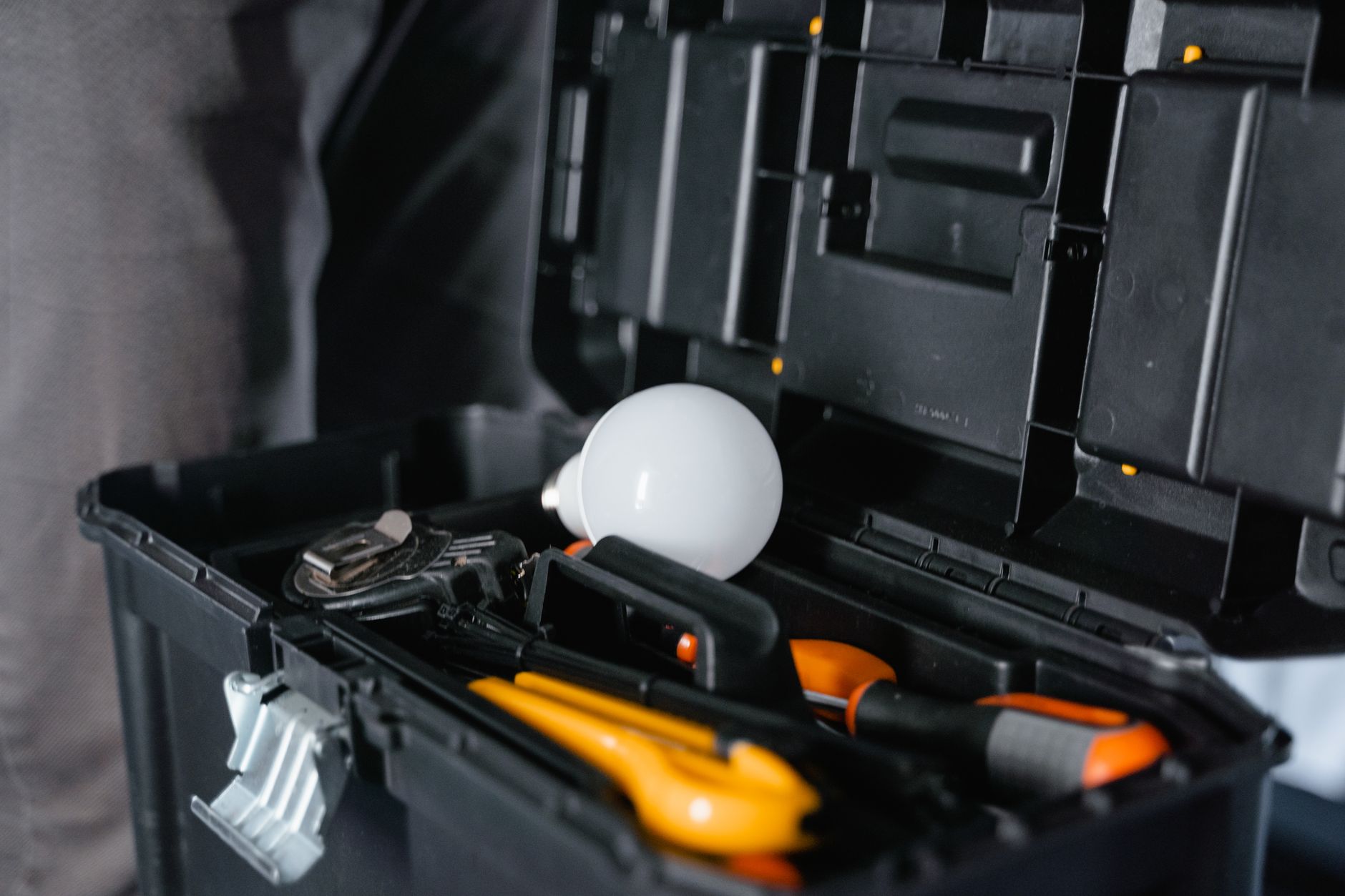
This category head explains which welding tools and consumables belong in a workshop: electrodes, filler wires, fluxes, shielding gases, and expendable accessories; it outlines technical criteria to check when buying, storage and handling practices, applicable standards to verify, safety pointers, and links to product pages and local suppliers in Houston.
What “tools and consumables” cover for welding
Welding consumables are the materials that are intentionally consumed to make a weld or to protect the weld pool. They include coated electrodes for SMAW, continuous wires for GMAW (MIG), flux-cored wires for FCAW, filler rods for TIG, fluxes for SAW, shielding and carrier gases with regulators, and expendable accessories such as contact tips, nozzles, and welding wire brushes.
These items have a direct impact on weld quality. Specifications and classifications from the American Welding Society (AWS) define many of the identifiers buyers must check. Refer to the AWS A5 series and the procurement guidance in A5.01 when matching a filler metal to a job.
For a quick starting point, see the Guide d’achat rapide page for product lists and direct links to detailed fiches techniques.
Main families of consumables
Below are the main product families with typical uses and purchase criteria. Each family entry points to a dedicated product list or fiche where available.
Coated electrodes (SMAW): Coated electrodes are used for manual shielded metal arc welding on metal types ranging from carbon steel to specialty alloys. When selecting electrodes, check the AWS classification, coating type, and recommended polarity. See the baguettes MMA product list for common references.
Solid wire for GMAW / MIG: Solid wires feed continuously from a spool and require a shielding gas. Match wire chemistry and diameter to base metal and joint design. Verify compatibility with the intended gas mix and the machine’s wire-feeding system. Consult the fils MIG product page for wire options and gas pairings.
Flux‑cored wire (FCAW): Flux-cored wires contain flux in the core and can be used with or without external shielding gas depending on the wire type. These wires are often favored for outdoor work and high-deposition-rate applications. Compare deposition characteristics and recommended welding parameters on the fils FCAW page.
TIG filler rods: TIG filler rods are used where precise metallurgy and clean welds are required. Material match, diameter, and cleanliness are key purchase criteria. See the baguettes TIG fiche for alloy choices and handling notes.
Fluxes and powders (SAW): Submerged arc fluxes affect weld chemistry and slag formation. Verify flux type for the intended weld metal and process. Consult the flux SAW product list for specifications.
Gases and regulators: Shielding gases include argon, CO2, and engineered blends. Regulators and flow-control equipment must match the gas cylinder type and process. For OSHA-relevant handling rules, consult the OSHA gas handling page linked below.
Consumable accessories: Items such as contact tips, nozzles, liners, wire brushes, grinding discs, and cleaning consumables are essential for consistent weld quality. When buying accessories, check dimensions, material compatibility, and supplier SDS availability.
Regulatory requirements and standards to verify before purchase
Buyers should confirm the applicable AWS standards for a requested filler metal. The AWS A5 series and procurement guidance A5.01 provide classification systems and purchase criteria. Consult the relevant AWS documents to ensure the filler metal designation matches the application.
OSHA rules govern the handling and storage of compressed gas cylinders and related equipment in an industrial setting. Review OSHA standard 1926.350 for obligations that apply in shop environments. Always obtain and keep the SDS (safety data sheet) for each consumable on site.
Manufacturers publish technical data sheets and certificates of conformance for many consumables. When a specification or qualification is required for critical parts, require the manufacturer’s documentation and check it against AWS procurement guidance.
Storage, handling, and shop best practices
Proper storage and handling preserve consumable integrity. Keep consumables in their original packaging until use. Separate alloys (for example, stainless from carbon) to avoid cross-contamination. Maintain a clean, dry storage area to reduce moisture pickup.
Certain consumables, such as low-hydrogen electrodes and some fluxes, require dry storage and may need to be dried in an oven before use. Follow the manufacturer’s instructions and published handling guidance. Keep lot traceability records for quality control and to track shelf life or bake schedules.
Avoid introducing foreign contaminants to filler metal spools and rods. Use clean gloves or handling tools. Label open packages with date and lot information and store them away from sources of moisture, oil, or chemical vapors.
Safety and health — what to check
Before using any consumable, obtain and review its SDS. The SDS lists hazards, recommended personal protective equipment (PPE), ventilation requirements, and first‑aid measures. For fumes and gases, ensure adequate local exhaust ventilation or respiratory protection per the SDS.
Gas cylinders must be secured, capped when not in use, and fitted with appropriate regulators. Follow OSHA guidance for storage and transport of compressed gases. Keep flammable materials separate from welding areas and enforce hot-work controls where required.
Eye and skin protection must match the process and materials. Welding fumes can contain metallic compounds; consult the SDS for respiratory protection recommendations and monitor exposure controls per workplace safety programs.
How to choose the right reference — a quick 4‑step procedure
1) Identify the base metal and welding process required. Different processes and metals need specific consumables.
2) Consult the AWS classification or manufacturer designation for the filler metal or electrode. Match the AWS class to the mechanical and chemical requirements of the weld.
3) Verify gas compatibility and machine parameters. Confirm wire diameter, electrode size, polarity, and recommended heat/input ranges in the product documentation.
4) Check storage, lot control, and SDS before purchase. For low-hydrogen or critical applications, confirm drying and baking procedures with the supplier.
Cases to watch: aluminum and stainless alloys require strict cleanliness and dedicated storage. Repairs on critical components often demand traceable consumables and manufacturer documentation.
Where to source consumables in Houston
Buyers can source consumables from national distributors with local branches, manufacturer-authorized dealers, and some large industrial supply stores. Distributor outlets in Houston provide local access to cylinders, wire spools, electrodes, and accessories. See the suppliers and distributors page for contact listings and links to vendor product pages.
This page does not list local inventory or prices. For availability and order lead times, contact the distributor or manufacturer directly via their product pages.
Useful links and technical documents
Key references and technical documents cited on this page include AWS committee pages for filler metals and the AWS procurement standard (A5.01). Manufacturer catalogs and SDS documents provide handling and specification details. OSHA’s gas handling standard is a primary regulatory reference for compressed gases.
Downloadable resources and external links:
- AWS A5 Committee on Filler Metals (consulted 04/09/2026)
- AWS A5.01 — Procurement of filler metals and fluxes (consulted 04/09/2026)
- OSHA — Gas welding and cutting standard (1926.350) (consulted 04/09/2026)
- Handling of consumables guidance (consulted 04/09/2026)
- Manufacturer consumables catalog (example) (consulted 04/09/2026)
- Example distributor location (Houston) (consulted 04/09/2026)

FAQ
-
What is the difference between MIG and FCAW?
MIG (GMAW) typically uses a solid wire and an external shielding gas. FCAW uses a tubular wire with flux in the core; some FCAW wires require no external gas. See the fils MIG and fils FCAW pages for process guidance.
-
How should electrodes 7018 be stored?
7018 electrodes are a low-hydrogen type that require dry storage. Follow the manufacturer’s recommendations for oven drying and lot control to prevent hydrogen pickup. Refer to the storage & drying checklist for procedures.
-
When can flux be reused?
Reuse depends on the flux type and contamination. Flux that has absorbed moisture or visible contamination should not be reused for critical welds. Consult the manufacturer SDS and the flux product page.
-
Which documents must I ask from a supplier?
Request the product technical data sheet, SDS, and any certificates of conformance when material traceability is required. Compare the supplier documents to AWS procurement criteria.
What is not known on this page
- the brief marked it as absent.
- No live inventory, stock levels, or pricing are included. Those data change frequently and must be confirmed with distributors or manufacturers.
- Site-internal data files (DATA-BANK.md, voice files) were not available for this brief and were not used. Any internal process or unpublished price information is not asserted here.
- Specific technical figures such as exact oven temperatures or drying times are not stated unless provided in manufacturer documentation; consult the product SDS or technical datasheet for those values.

Rédactrice · travaux, rénovation, matériaux
Élodie se concentre sur les techniques de rénovation et l'utilisation des matériaux innovants. Elle s'assure de la véracité des contenus en se basant sur des études et des témoignages d'experts avant publication.
Dans Outils et Consommables
15 septembre 2026
Features of the Grizzly Horizontal Miter-Cutting Band Saw

15 septembre 2026
Discover the Benefits of the SuperFlash Variable Gas Mixer for Home Welding
13 septembre 2026