Choisir un Atelier
Understanding the Impact of the Steel Supply Crunch on Homeowners
Explore how the current steel crisis is affecting costs for residential projects.
Gabriel Chevalier 4 min de lecture
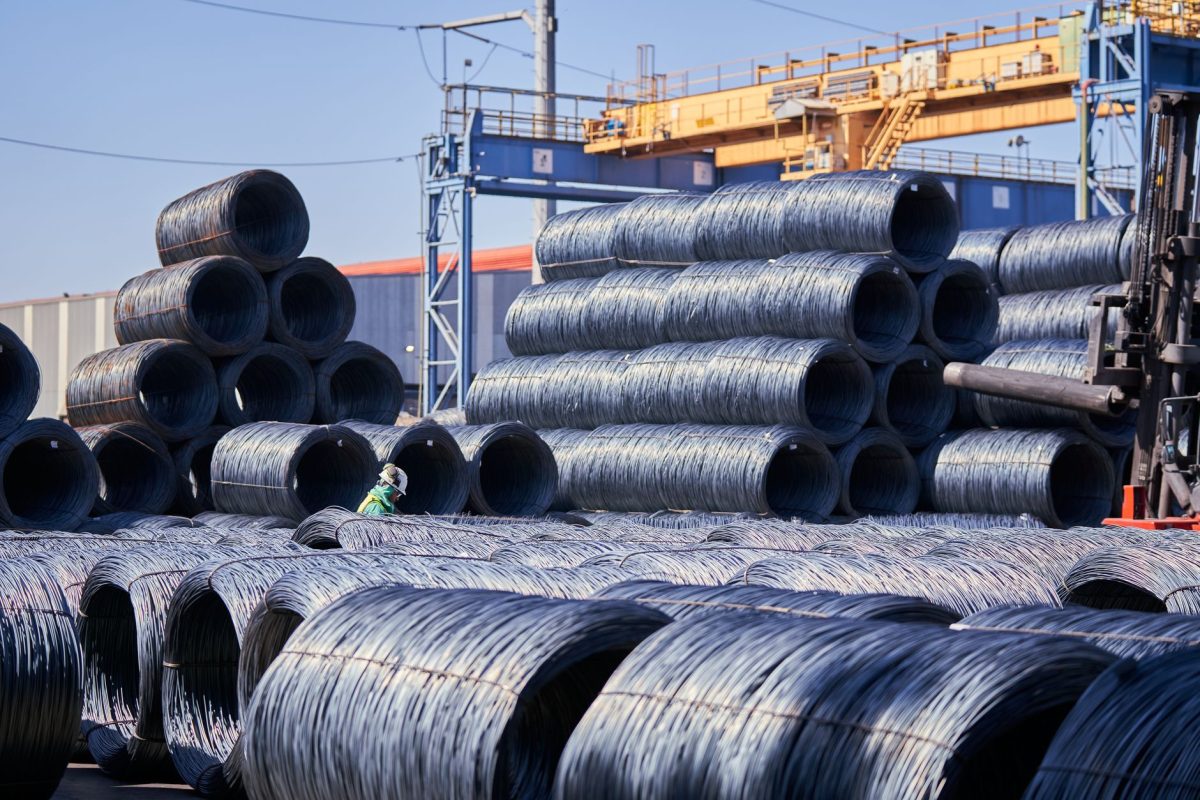
As a homeowner, you may have noticed an uptick in prices for steel-related projects, whether it’s for renovations, new constructions, or repairs. The ongoing steel supply crunch is a significant factor influencing these costs. In this guide, we’ll break down what is happening in the steel market, why it’s affecting prices, and how you can navigate these changes.
What is Causing the Steel Supply Crunch?
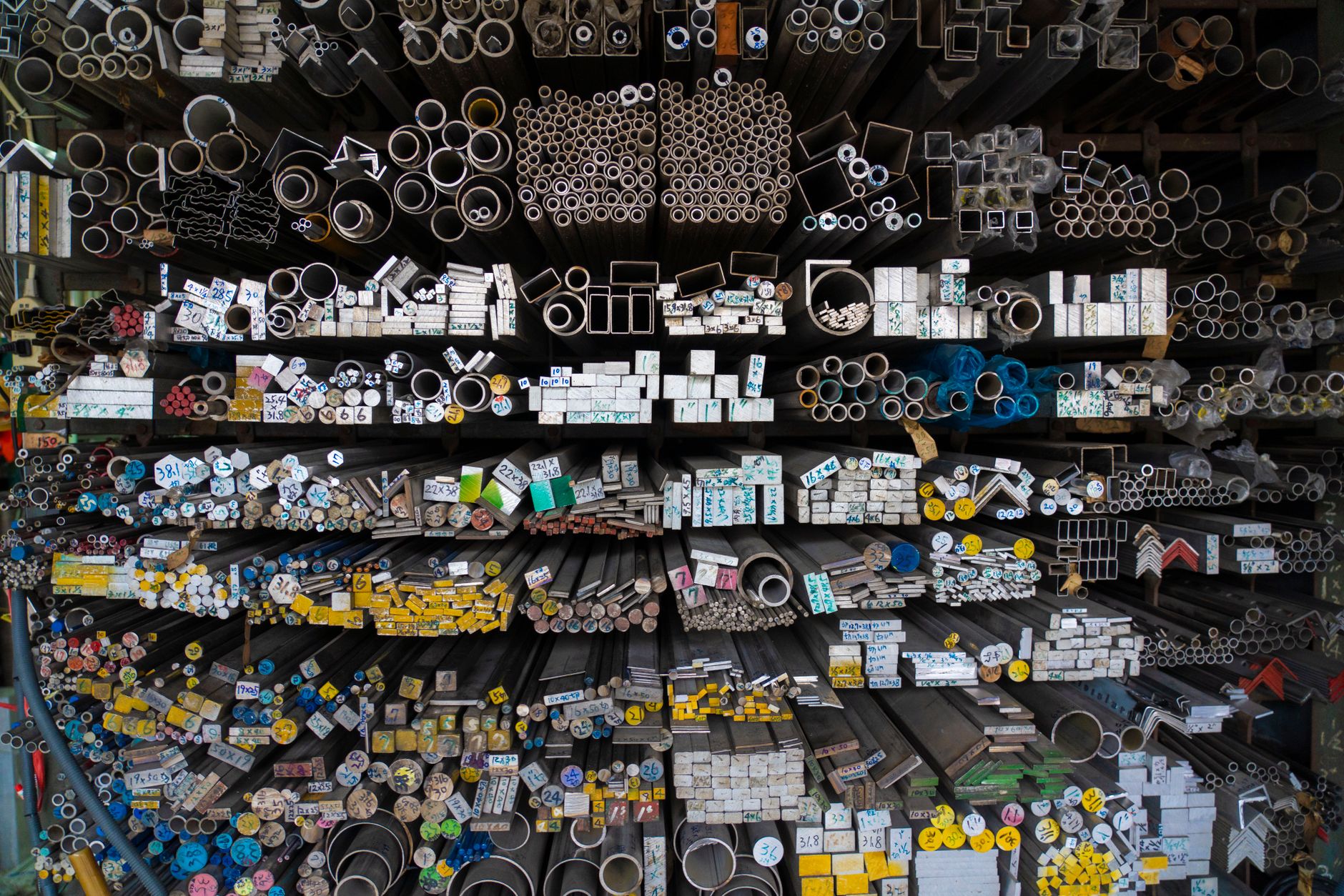
The current steel supply crunch in the U.S. is primarily due to a combination of tight domestic supply, soaring prices for hot-rolled coil (HRC), and dwindling inventories. This situation has led to a competitive environment where imports, despite facing 50% tariffs under Section 232, are becoming more appealing to manufacturers. The result is that prices for steel products are climbing, which directly impacts homeowners looking to undertake construction or renovation projects.
Understanding the specific factors contributing to the supply crunch can help homeowners appreciate the larger economic context. For instance, the COVID-19 pandemic disrupted supply chains globally, leading to production slowdowns and a backlog of orders. As demand for construction materials surged post-pandemic, the existing supply could not keep pace. This imbalance between supply and demand is a crucial aspect of the current market dynamics.
How Much More Will You Pay?
Determining the exact increase in prices can be challenging, as it varies greatly depending on the type of steel product you need and the current market dynamics. For instance, structural steel, beams, and sheets may all see different price hikes based on supply and demand. Generally speaking, homeowners can expect to see anywhere from a moderate to significant increase in costs due to the supply crunch. You should prepare for potential price fluctuations and consider budgeting accordingly.
It’s important to note that while some products may see steeper price increases, others might remain relatively stable. For example, specialty steel products or those used in niche applications may not be as affected by the general supply issues. Therefore, it is advisable to conduct thorough research on the specific materials you need for your project and consult with suppliers to get the most accurate pricing information.
When is the Best Time to Buy Steel?
Timing can be crucial when purchasing steel. Given the current volatility in prices, it’s wise to keep an eye on market trends and news. If you’re planning a project, consider purchasing steel sooner rather than later to avoid further price increases. Additionally, working with local suppliers who can provide insights into the market can help you make more informed decisions about when to buy.
Furthermore, consider subscribing to industry newsletters or following steel market reports. This can give you an edge in understanding when prices might dip or rise, allowing you to time your purchases more effectively. Engaging with local contractors or builders who are active in the market can also yield valuable insights about optimal purchasing times.
How to Avoid Common Mistakes
- Don’t Wait Until the Last Minute: Steel prices can change rapidly, so it’s best to plan ahead and buy what you need early.
- Neglecting to Compare Suppliers: Given the competitive pricing landscape, it’s important to shop around and compare prices from multiple suppliers.
- Ignoring Import Options: Even with tariffs, some imported steel products may still offer cost benefits. Don’t overlook this option in your search.
- Failing to Factor in Additional Costs: Remember that shipping and handling fees can also impact your overall budget, especially with imported materials.
In addition to these common mistakes, homeowners should also be wary of the quality of steel they are purchasing. Sometimes, lower prices can be associated with inferior quality, which may lead to increased costs down the line due to repairs or replacements. Always request certifications or quality assurance documentation when purchasing steel to ensure you are getting a product that meets your project requirements.
In summary, the ongoing steel supply crunch is significantly impacting prices for homeowners. By understanding the causes, keeping an eye on market conditions, and avoiding common purchasing mistakes, you can make better decisions for your steel needs. The current environment requires adaptability and foresight, but with the right approach, you can still manage costs effectively. Staying informed and proactive can set you apart in a challenging market, ultimately leading to a successful project completion.

Rédacteur spécialisé · soudure, métallerie, bricolage
Gabriel couvre l'univers de la soudure et de la métallerie, partageant des conseils pratiques et des méthodes efficaces. Il vérifie chaque information à l'aide de sources fiables pour garantir la qualité de ses articles.
Dans Choisir un Atelier
14 septembre 2026
Homeowners’ Guide to Efficient Thick Turret Tooling Setups

13 septembre 2026
Choosing the Right Metal Fabrication Shop for Your Project
10 septembre 2026