Accueil Outils et Consommables
Outils et Consommables
Meilleurs casques de soudage pour ateliers de fabrication
Comparatif pratique des casques à auto-obscurcissement et passifs pour ateliers, protection ANSI Z87.1 et critères d'usage en atelier; mis à jour le 04/09/2026.
Élodie Barbier 7 min de lecture
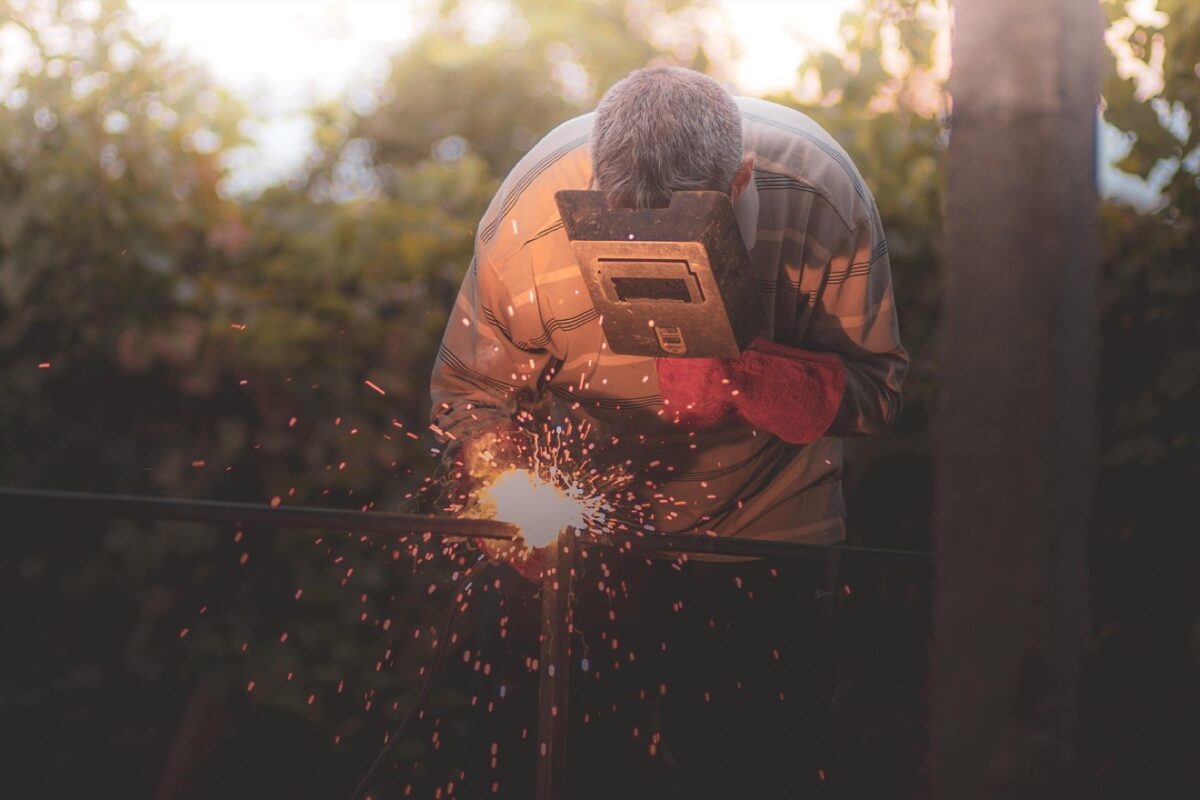
Practical, workshop-focused comparison of auto-darkening and passive welding helmets for metal fabrication shops; updated on 04/09/2026. This page is informational and does not replace an evaluation by a shop safety officer or an employer’s regulatory obligation.
Criteria used for this ranking
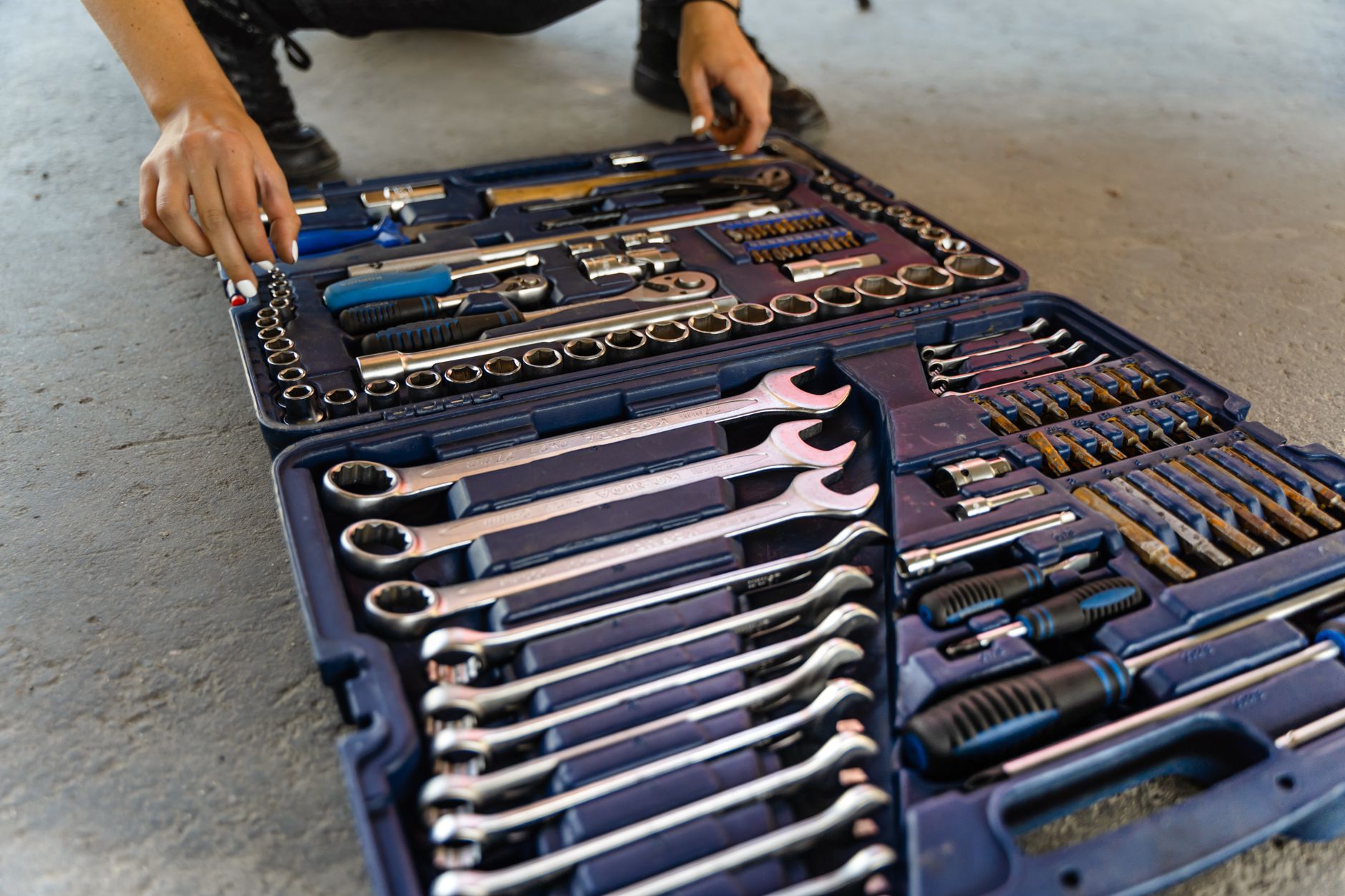
The selection below rests on a set of workshop-oriented criteria drawn from manufacturer specifications, technical tests and 2026 buyer guides. Methodology and sources are listed later on the page.
Protection: helmets listed only if their documentation declares permanent UV/IR protection or references compliance with ANSI Z87.1, matching OSHA guidance on eye-and-face protection. Protection is the baseline criterion for any workshop helmet.
Filter type and performance: distinction between auto-darkening filters (ADF) and passive lenses, documented switching times, and range of shade numbers when supplied by the manufacturer or test report. These parameters affect visibility during layout and arc transitions in an enclosed workshop.
Field of view: viewing-window dimensions from manufacturer brochures or technical pages. Larger viewing area improves ergonomics and reduces head movement during repetitive tasks.
Comfort and adjustability: headgear design, weight and adjustment range reported by vendors or reviewers. Comfort matters for long sessions typical in fabrication shops.
Durability and construction: shell material, expected resistance to sparks and spatter as described by manufacturers and reviewers. Workshop conditions require robust outer shells and replaceable parts.
Additional options useful in workshops: PAPR/respiratory compatibility, side windows, number of arc sensors and spare-part availability. These features are included when explicitly named by manufacturers or tests.
Service and parts: availability of replacement lenses and headgear from the manufacturer or documented distributor stock, when stated in manufacturer documentation or third-party reports.
Price segment: entries are assigned to Budget / Mid / Pro segments only when guides or reviews place them in those segments; no retail prices or sale figures are stated here.
3M Speedglas 9100
Target user: production shops and professional fabricators seeking a high-end ADF helmet with accessory options.
What distinguishes it: the 3M Speedglas 9100 range is documented by the manufacturer with detailed ADF parameters, switching times and options for integrated PAPR and respiratory accessories; the 9100 family is cited in vendor brochures that list viewing-window sizes, switching time examples and permanent UV/IR protection.
Limitations: technical details vary across the 9100 submodels (MP/FX/etc.); consult the specific submodel brochure for exact switching time and viewing-area values. Some accessory configurations add weight and cost.
Useful links: manufacturer product information and the Speedglas 9100 brochure are primary references for specifications.
3M Speedglas 9100 MP (variant)
Target user: workshop users who want the 9100 family features with the MP-specific configuration options documented by 3M.
What distinguishes it: MP variant listed among the 9100 range in manufacturer literature; references describe ADF features and accessory compatibility.
Limitations: variant-specific dimensions and switching times must be read from the MP brochure; do not assume identical specs across the whole 9100 family.
3M Speedglas 9100 FX (variant)
Target user: fabricators preferring the FX configuration within the 9100 family documented by 3M.
What distinguishes it: FX variant is named in the 9100 product range and its brochure; manufacturer materials list the range of features and accessory options.
Limitations: as with other 9100 variants, confirm the specific FX brochure for exact viewing-area and switching-time figures.
Lincoln Electric Viking 3350
Target user: workshops and semi-professional users where reviewers identify a strong balance of features and value.
What distinguishes it: referenced in 2026 comparative guides and tests as a frequently cited model; independent reviews list it among top contenders and describe its feature set in test contexts.
Limitations: characterization as “best overall” appears in reviewer summaries; verify specific technical values in vendor materials and test reports for switching time, viewing area and sensor count.
Jackson (brand)
Target user: budget-to-mid segments in fabrication shops seeking brand options with replaceable parts.
What distinguishes it: Jackson helmets are cited across 2026 buyer guides and reviews as commonly used alternatives; manufacturer product pages and guides discuss shell durability and accessory availability.
Limitations: model-specific parameters (viewing area, shade range, switching time) must be confirmed on the manufacturer’s page or a test report; this entry denotes the brand as cited by reviews rather than a single model reference.
YESWELDER (brand)
Target user: hobbyists and entry-level professionals comparing budget and mid-range ADF options.
What distinguishes it: YESWELDER models appear in multiple 2026 guides as accessible options; reviews and buyer guides discuss intended segments and common features.
Limitations: consult the specific YESWELDER product page or independent test for exact ADF metrics and viewing-area dimensions; brand-level listing in guides does not replace model-level verification.
Optrel (brand)
Target user: fabricators and TIG specialists looking for documented optical performance and ADF technology options.
What distinguishes it: Optrel products are mentioned in comparative guides and reviews; tests and vendor pages describe ADF technologies and ergonomic design choices.
Limitations: models and exact optical ratings vary; use manufacturer specifications and independent tests to confirm switch times and compatibility with respirators.
Comparative summary table
The table below lists attributes documented in manufacturer brochures or third-party reviews. If a specific numeric value was not present in the consulted sources, the cell is left blank and marked for verification.
| Model / Brand | Target user | Viewing area (mm) | Shade range | Switching time (ms) | UV/IR permanent | Special features | Price segment | Source(s) |
|---|---|---|---|---|---|---|---|---|
| 3M Speedglas 9100 | Production / pro | Yes (manufacturer docs) | PAPR compatibility, accessory options | Pro | 3M product page; Speedglas brochure | |||
| 3M Speedglas 9100 MP | Production / pro | Yes (manufacturer docs) | Variant-specific accessories | Pro | Speedglas brochure; 3M product page | |||
| 3M Speedglas 9100 FX | Production / pro | Yes (manufacturer docs) | Variant-specific accessories | Pro | Speedglas brochure; 3M product page | |||
| Lincoln Electric Viking 3350 | Semi-pro / workshop | Per vendor/test if stated | Reviewer-cited balance of features | Mid | WeldingRanked; 2026 guides | |||
| Jackson | Budget–Mid shops | Per model | Replaceable parts | Budget / Mid | WeldingRanked; 2026 guides | |||
| YESWELDER | Hobbyist / entry-level pro | Per model | Affordable ADF options | Budget / Mid | WC Safety; ProhibitionDenver; SweetGrace | |||
| Optrel | Specialized / TIG-capable shops | Per model | Optical/ergonomic focus | Mid / Pro | WeldingRanked; 2026 guides |
Practical checklist for workshop use
Choice of shade: consult OSHA/ANSI tables for recommended shade numbers by welding process and current; the OSHA factsheet on eye protection during welding provides official guidance. Do not rely on a single remembered shade for all tasks.
Daily checks: inspect ADF sensors and headgear fit before shifts, verify the outer shell for spatter damage, and replace cracked lenses or worn headgear parts per manufacturer guidance. Manufacturer brochures and reviews recommend routine inspection; follow employer procedures for documented EPI checks.
When to consider PAPR or integrated ventilation: manufacturer literature and reviews note PAPR compatibility or integrated respiratory options where fumes and prolonged exposure are expected. Decide with a safety officer and consider documented accessory fit.
Compatibility with safety glasses: confirm model documentation for allowance of prescription or safety eyewear under the helmet; some helmets and headgear are expressly designed to accommodate glasses.
Where to buy and replacement parts
Buy from authorized distributors or directly from the manufacturer to ensure genuine replacement lenses and certified parts. Manufacturer brochures and vendor product pages list official spare parts and accessory compatibility. Keep proof of purchase and product markings that indicate ANSI/ISEA Z87.1 compliance for shop records.
Method and sources
Method: ranking synthesizes manufacturer specifications (brochures/product pages), 2026 buyer guides and independent reviews to weight protection, ADF performance, field of view, comfort, durability and parts availability. When a numerical specification was not present in the consulted sources, the field in the table is left empty and flagged for verification with the manufacturer.
Main sources consulted (all accessed 04/09/2026):
- OSHA — PPE Selection: Eye and Face Protection. https://www.osha.gov/etools/shipyard/general-requirements/ppe/ppe-selection/eye-face-protection. Consulted 04/09/2026.
- OSHA — 1926.102 Eye and face protection. https://www.osha.gov/laws-regs/regulations/standardnumber/1926/1926.102. Consulted 04/09/2026.
- OSHA — Eye Protection during Welding factsheet. https://www.osha.gov/Publications/OSHAfactsheet-eyeprotection-during-welding.pdf. Consulted 04/09/2026.
- ANSI commentary — ANSI/ISEA Z87.1-2025 details on ADF testing. https://blog.ansi.org/ansi/ansi-isea-z87-1-2025-safety-glasses-eye-protection/. Consulted 04/09/2026.
- 3M — Speedglas Welding Helmet 9100 product page and Speedglas brochure. https://www.3m.com/3M/en_US/worker-health-safety-us/personal-protective-equipment/auto-darkening-welding-helmet/ and Speedglas brochure PDF. Consulted 04/09/2026.
- WeldingRanked — Best Welding Helmets (2026). https://weldingranked.com/articles/best-welding-helmets/. Consulted 04/09/2026.
- WC Safety — Best Welding Helmets for Beginners (2026). https://wcsafety.com/blogs/guides/best-welding-helmets-for-beginners. Consulted 04/09/2026.
- ProhibitionDenver — Best Welding Helmets for Beginners (Aug 2026). https://prohibitiondenver.com/best-welding-helmets-for-beginners/. Consulted 04/09/2026.
- SweetGrace — Best Welding Helmets for Beginners (Sep 2026). https://www.sweetgrace.net/best-welding-helmets-for-beginners/. Consulted 04/09/2026.
- ANSI Z87.1 reference (historic). https://buildingsaferinri.org/wp-content/uploads/2016/04/ANSI.Z87.1.2003.pdf. Consulted 04/09/2026.
What we could not establish from the consulted sources
⛔ Exact retail prices and warranty durations for specific models are not provided here unless they appear in the cited sources; verify with the manufacturer or authorized distributor. ⛔ Optical ratings in the 1/1/1/1 format are not asserted for models unless the manufacturer or a test report states them. ⛔ Do not assume a model is categorically “best for TIG” without a model-level test or manufacturer claim explicitly supporting that designation.
Date of publication / update
Updated on 04/09/2026. Verify product-spec updates and availability with manufacturers and recent independent tests before procurement decisions.

Rédactrice · travaux, rénovation, matériaux
Élodie se concentre sur les techniques de rénovation et l'utilisation des matériaux innovants. Elle s'assure de la véracité des contenus en se basant sur des études et des témoignages d'experts avant publication.
Dans Outils et Consommables
16 septembre 2026
New Plasma Power Source: A Game Changer for Home Metal Fabrication
15 septembre 2026
Features of the Grizzly Horizontal Miter-Cutting Band Saw

15 septembre 2026