Choisir un Atelier
Checklist pour choisir et évaluer un atelier de soudure local
Vérifiez certifications et procédures (WPS/PQR), assurance, inspections/NDT, qualité des soudures, dossiers de contrôle et demandez devis comparables et échanti
Gabriel Chevalier 10 min de lecture
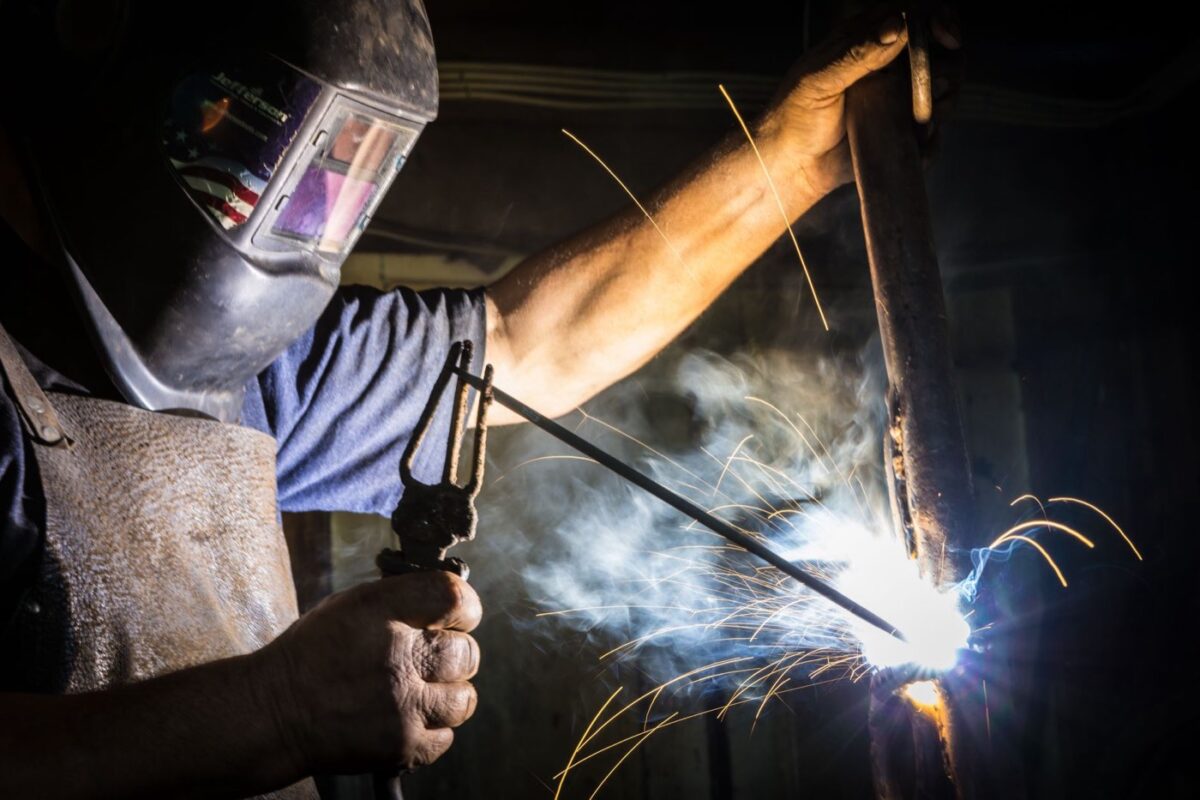
Quick answer: verify certifications relevant to the job, inspect shop workmanship and QC records, confirm insurance and safety practices, request written WPS/PQR and an inspection plan for critical work, and compare scope-matched written quotes while asking for sample pieces or references.
Quick answer: what to look for when choosing a welding shop
This checklist compresses the core actions a buyer should take before hiring a local welding or fabrication shop. First, confirm that welders and procedures match the technical requirements of your project. Second, inspect visible workmanship and documentation: welding logs, weld maps, and any traveler paperwork. Third, confirm insurance and who will perform inspections or NDT when required. Finally, obtain written WPS/PQR references and at least two scope-matched quotes; ask for sample welds or a portfolio to compare workmanship.
For code-bound structural or pressure work, follow the acceptance criteria and inspection steps referenced in recognized standards and issuing bodies (see AWS, ASME, AISC links in Sources).
Jump to detailed pre-contact checklist or continue for the full guidance and recommended documents.
When you need a certified welder or shop (when certification matters)
Certification matters when the work is governed by codes, engineer specifications, or safety-critical requirements. Structural connections called out to follow AWS D1.1, ASME code work such as pressure-bound components, and piping or vessel work that an engineer specifies often require certified procedures and qualified welders (see AWS D1.1 and ASME guidance) (https://law.resource.org/pub/us/cfr/ibr/003/aws.d1.1.2000.pdf, consulted 04/09/2026; https://www.asme.org/certification-accreditation/ca-connect/how-to-view-and-download-your-asme-certification, consulted 04/09/2026).
AWS, ASME and API certifications are process-, position- and material-specific. Ask which certification applies to your job and request the supporting qualification record or certificate number so you can confirm scope and limitations (https://verifyed.org/guides/how-to-verify-a-welder-certification/, consulted 04/09/2026).
Where a contract or engineer specifies a code, require that the shop’s procedures and welder qualifications reference that code or the engineer’s acceptance criteria; do not assume a general statement of competence covers a specific code requirement (https://www.aws.org/Certification-and-Education/Professional-Certification/Certified-Welder-Program/, consulted 04/09/2026).
Pre-contact checklist: questions to ask before you call or visit
Use these direct questions when you first contact a shop. Ask for short documentation or identifiers you can verify later.
- Which welding processes do you use for this work (SMAW/MIG/TIG/flux-cored)? — Different processes suit different materials and joint types; match process to material and design (https://weldrunners.com/blog/hiring-a-welder-7-things-to-check, consulted 04/09/2026).
- Do you have welders qualified for this process/position/material? Can you provide certification or qualification records? — Certifications are often limited by process and position; ask for the record or certificate number to verify (https://verifyed.org/guides/how-to-verify-a-welder-certification/, consulted 04/09/2026).
- Do you have written Welding Procedure Specifications (WPS) and Procedure Qualification Records (PQR) for this job type? — WPS/PQR demonstrate how the weld will be made and whether it has been qualified for that material and thickness (https://www.aws.org/Certification-and-Education/Professional-Certification/Certified-Welder-Program/, consulted 04/09/2026).
- Do you perform visual inspection and NDT as required — which NDT methods and who performs them (certified NDT technicians)? — NDT methods must be specified by design or code; ask which method will be used and who holds the examiner certification (https://www.aisc.org/aisc/solutions-center/engineering-faqs/9-welding-inspection-and-non-destructive-examination-nde/, consulted 04/09/2026).
- Can you provide references and photos of similar completed work? — Request contactable references and clear photos of actual welds for comparison (https://weldrunners.com/blog/hiring-a-welder-7-things-to-check, consulted 04/09/2026).
- What is your insurance coverage? Do you carry a certificate of insurance (COI) showing general liability and any contractor’s or products liability listed? — Ask to see the COI before work starts.
- Do you provide written quotes with a defined scope, inspections, and rework policy? — A clear written quote reduces misunderstandings and should reference acceptance criteria or applicable code.
On-site (or shop) checklist: what to inspect in person
Use this in-person checklist to evaluate practices and traceability.
- Shop cleanliness and organization — orderly shops often maintain consistent QC procedures and paperwork (inspector guides emphasize organized records) (https://pubs.aws.org/Download_PDFS/PRGVT-PV.pdf, consulted 04/09/2026).
- PPE and safety signage — presence indicates a safety culture and regulatory attention; record observations without giving medical or safety guarantees.
- Equipment condition and process-specific machines — see that equipment matches the processes discussed (e.g., inverter TIG machine for TIG work); mismatched or poor equipment can affect weld quality.
- Inspection tools on the bench — fillet gauges, magnifiers, and calibrated measurement tools support visual inspections as practiced in AWS guides (https://clause5.io/welding/visual-weld-inspection/, consulted 04/09/2026).
- Weld maps, traveler paperwork, welding logs showing WPS number, welder ID and in-process parameters — these documents are routine for controlled fabrication and support traceability (https://www.weldfabworld.com/welding-inspection-checklist/, consulted 04/09/2026).
- Sample parts or portfolio — inspect actual welds up close for uniform bead, absence of visible cracks, acceptable reinforcement and acceptable undercut; visual checks are the primary acceptance method in many codes (https://law.resource.org/pub/us/cfr/ibr/003/aws.d1.1.2000.pdf, consulted 04/09/2026).
- Documentation of heat treatments or interpass controls where applicable — ask whether preheat, interpass temperature or PWHT are recorded if the job or material requires them.
- Availability of NDT records and certified NDT examiners for radiography, UT, MT or PT where required — confirm who will perform NDT and request examiner qualifications (https://www.aisc.org/aisc/solutions-center/engineering-faqs/9-welding-inspection-and-non-destructive-examination-nde/, consulted 04/09/2026).
Paperwork to request (and why)
Request these documents before formalizing a contract. They establish traceability and acceptance criteria.
- Welder qualification records and certificate numbers (AWS/ASME/API where applicable) — verify by contacting the issuing body or reviewing employer-held records (https://verifyed.org/guides/how-to-verify-a-welder-certification/, consulted 04/09/2026).
- WPS and PQR relevant to the job — these show the approved procedure for the weld and its qualification (https://www.aws.org/Certification-and-Education/Professional-Certification/Certified-Welder-Program/, consulted 04/09/2026).
- NDT procedures and NDT examiner certification when NDT is planned — ask for the procedure reference and the examiner’s certificate.
- Proof of insurance (COI) — request the COI to confirm coverage types and limits before work begins.
- References, photos and contact details for previous clients with similar scope — follow up to confirm workmanship and reliability (https://weldrunners.com/blog/hiring-a-welder-7-things-to-check, consulted 04/09/2026).
- Written quote with clear scope, materials, inspection responsibilities, and rework policy — require acceptance criteria and who signs off on final acceptance.
Note: do not ask for proprietary PQR content beyond confirmation that a suitable WPS/PQR exists when a code or engineer requires it.
Quality-check tests and acceptance criteria to insist on (visual + NDT)
Visual inspection (VT) checks weld appearance and dimensions and is a defined and mandatory acceptance method in many structural codes; refer to AWS guidance for specifics on what VT covers (https://law.resource.org/pub/us/cfr/ibr/003/aws.d1.1.2000.pdf; https://clause5.io/welding/visual-weld-inspection/, consulted 04/09/2026).
NDT methods (MT, PT, RT, UT) are specified where internal soundness or critical service require them. The design or code should state which NDT to apply; ask the shop which standard or code defines acceptance criteria for your job and who will perform the examination (https://www.aisc.org/aisc/solutions-center/engineering-faqs/9-welding-inspection-and-non-destructive-examination-nde/, consulted 04/09/2026).
Request that the contract or quote reference the code or acceptance criteria to be used for final acceptance (for example, AWS D1.1 or engineer-specified criteria) so the acceptance process is clear.
How to verify certifications and records (practical steps)
Obtain certificate numbers or copies, then confirm with the issuing body or employer records. Ask to see original physical cards or digital certificates and confirm the welder’s name, process, position and any limitations. ASME provides mechanisms to view and download certification records; AWS guidance covers its Certified Welder program and how qualifications are recorded (https://www.asme.org/certification-accreditation/ca-connect/how-to-view-and-download-your-asme-certification, consulted 04/09/2026; https://www.aws.org/Certification-and-Education/Professional-Certification/Certified-Welder-Program/, consulted 04/09/2026).
Remember that a welder’s qualification can be limited by process, position or material thickness; do not assume a single certificate covers all required tasks (https://verifyed.org/guides/how-to-verify-a-welder-certification/, consulted 04/09/2026).
Pricing, quotes and comparing shops (what affects price)
Non-numeric factors affect price: joint complexity, material preparation, use of certified welders, planned NDT, need for heat treatment, tight schedules, access or transport and finishing. Get at least two written quotes that match scope and acceptance criteria so you compare like for like. Be wary if the cheapest quote omits required qualifications or inspections; confirm paperwork before awarding work (https://weldrunners.com/blog/hiring-a-welder-7-things-to-check, consulted 04/09/2026).
Red flags — when to walk away
Look for concrete warning signs that suggest the shop may not be suitable for code-bound or safety-critical work.
- Refusal or inability to provide certification records or WPS/PQR when code work is claimed — traceability matters (https://verifyed.org/guides/how-to-verify-a-welder-certification/, consulted 04/09/2026).
- No certificate of insurance provided on request.
- Refusal to permit an on-site inspection of sample welds, paperwork or equipment.
- Visible defects on sample pieces such as cracks or widespread porosity; cracks are rejectable in codes and require corrective action (https://law.resource.org/pub/us/cfr/ibr/003/aws.d1.1.2000.pdf, consulted 04/09/2026).
- No welding gauges, no traveler paperwork or no weld maps for production work — absence of basic QC paperwork is a practical risk (https://www.weldfabworld.com/welding-inspection-checklist/, consulted 04/09/2026).
Special cases and what changes the checklist
Structural steel and building work: insist on compliance with the structural engineer’s specs and AWS D1.1; require documented WPS/PQR, welder qualifications and any NDT the engineer specifies (https://law.resource.org/pub/us/cfr/ibr/003/aws.d1.1.2000.pdf, consulted 04/09/2026).
Pressure vessels and piping: ASME codes typically apply; require ASME-qualified procedures, inspectors and verifiable certification records (https://www.asme.org/certification-accreditation/ca-connect/how-to-view-and-download-your-asme-certification, consulted 04/09/2026).
Mobile repairs and field welding: check tooling, environmental controls, and whether inspections and acceptance testing will be performed after repair and documented.
Aluminum, stainless and exotic alloys: require process-specific qualifications and, where applicable, material-specific PQRs.
Short FAQ
- Do I always need AWS-certified welders? Not always; the need depends on code, engineer requirements and job criticality. For structural or code-specified work, AWS D1.1 and related qualifications often apply (https://www.aws.org/Certification-and-Education/Professional-Certification/Certified-Welder-Program/, consulted 04/09/2026).
- What is a WPS/PQR and why ask for it? A WPS specifies how a weld is to be made; a PQR records the test that qualified that procedure. They document that the procedure exists and has been qualified for the materials and conditions at hand (https://www.aws.org/Certification-and-Education/Professional-Certification/Certified-Welder-Program/, consulted 04/09/2026).
- Can I rely on online reviews? Use reviews as a signal but verify with paperwork, references and an on-site inspection for work where quality and safety matter (https://weldrunners.com/blog/hiring-a-welder-7-things-to-check, consulted 04/09/2026).
Sources & further reading
- American Welding Society — Certified Welder Program. https://www.aws.org/Certification-and-Education/Professional-Certification/Certified-Welder-Program/ (consulted 04/09/2026)
- AWS — Committee B1 Methods of Inspection. https://www.aws.org/About/Get-Involved/Committees/B1-Committee-on-Methods-of-Inspection/ (consulted 04/09/2026)
- AWS D1.1: Structural Welding Code — Visual inspection / acceptance criteria. https://law.resource.org/pub/us/cfr/ibr/003/aws.d1.1.2000.pdf (consulted 04/09/2026)
- Clause5 — Visual weld inspection summary. https://clause5.io/welding/visual-weld-inspection/ (consulted 04/09/2026)
- WeldFabWorld — Welding inspection checklist. https://www.weldfabworld.com/welding-inspection-checklist/ (consulted 04/09/2026)
- AWS PRGVT / inspector guides. https://pubs.aws.org/Download_PDFS/PRGVT-PV.pdf (consulted 04/09/2026)
- AISC — Welding inspection and NDE guidance. https://www.aisc.org/aisc/solutions-center/engineering-faqs/9-welding-inspection-and-non-destructive-examination-nde/ (consulted 04/09/2026)
- VerifyED — How to verify a welder certification. https://verifyed.org/guides/how-to-verify-a-welder-certification/ (consulted 04/09/2026)
- ASME — How to view and download ASME certification records. https://www.asme.org/certification-accreditation/ca-connect/how-to-view-and-download-your-asme-certification (consulted 04/09/2026)
- WeldRunners — Hiring a welder: 7 things to check. https://weldrunners.com/blog/hiring-a-welder-7-things-to-check (consulted 04/09/2026)
- FirstHR — Welder interview questions and scorecards. https://firsthr.app/templates/hiring/welder-interview-questions (consulted 04/09/2026)
Short disclaimer and next steps
This page informs and is not a substitute for engineer or inspector recommendations on safety-critical work. Next steps: collect the paperwork listed above, schedule a shop visit, inspect sample welds, obtain scope-matched written quotes, and if the job is code or engineer-controlled, request that acceptance criteria and inspection responsibilities be written into the contract.
What we could not establish from the research
The following items were not established in the research and are therefore not asserted here: any Houston municipal licensing requirement specific to welding contractors, any numeric cost figures or typical turnaround times, the certification status of any named shop or individual, and any internal data from the site’s DATA-BANK (not available in the consulted materials). If local licensing or municipal permit rules are needed, consult Houston municipal code or Texas state contractor licensing pages and obtain documentary links before relying on that information.

Rédacteur spécialisé · soudure, métallerie, bricolage
Gabriel couvre l'univers de la soudure et de la métallerie, partageant des conseils pratiques et des méthodes efficaces. Il vérifie chaque information à l'aide de sources fiables pour garantir la qualité de ses articles.
Dans Choisir un Atelier
14 septembre 2026
Homeowners’ Guide to Efficient Thick Turret Tooling Setups
14 septembre 2026
Understanding the Impact of the Steel Supply Crunch on Homeowners
13 septembre 2026