Accueil Sécurité & Certifications
Sécurité & Certifications
Essential Protective Gear for Metal Work at Home
Ensure your safety while working with metal by using the right protective gear.
Gabriel Chevalier 2 min de lecture
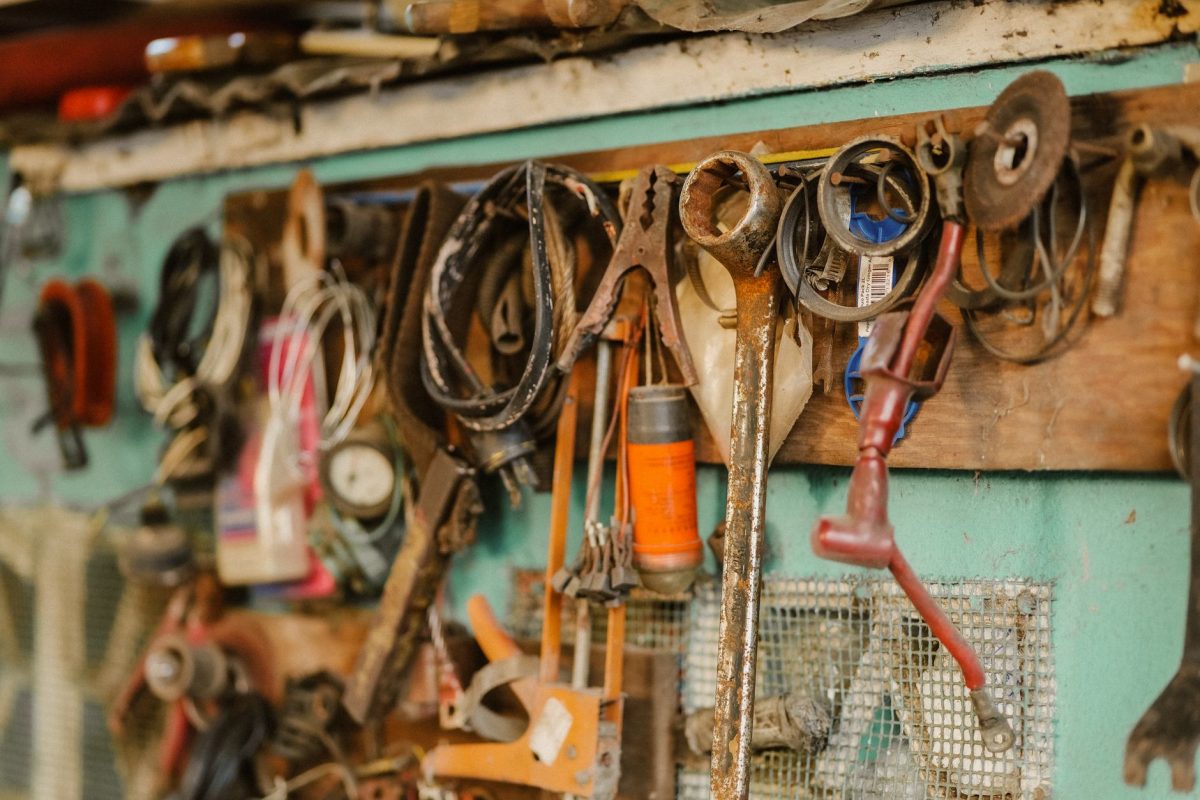
Working with metal at home can be both fulfilling and hazardous. Whether you are welding, cutting, or fabricating, the risk of injury is present. To safeguard yourself, it’s crucial to equip yourself with the appropriate protective gear. Here’s a practical guide to help you understand what you need, how much it might cost, when to wear it, and how to avoid common mistakes.
Essential Protective Gear

Here’s a list of essential protective equipment you should consider when working with metal:
- Safety Glasses: Protect your eyes from flying debris, sparks, and harmful light.
- Welding Helmet: Necessary for welding tasks to shield your face and eyes from intense light and heat.
- Gloves: Use cut-resistant gloves to protect your hands from sharp edges and heat.
- Protective Sleeves: Consider wearing arm sleeves, like the SmartCut protective sleeve, to cover the gap between your gloves and shirt sleeves, protecting your arms from cuts and abrasions (according to Thefabricator).
- Steel-Toed Boots: Essential for protecting your feet from heavy materials and sharp objects.
- Respirator: Use a respirator to protect your lungs from harmful fumes, especially when welding or cutting metal.
- Ear Protection: If you are working with loud equipment, earplugs or earmuffs can help prevent hearing loss.
Cost Considerations
The cost of protective gear can vary widely based on quality and brand. Here’s a general breakdown:
- Safety glasses: $10 – $50
- Welding helmet: $50 – $500
- Cut-resistant gloves: $15 – $100
- Protective sleeves: $10 – $30 each
- Steel-toed boots: $50 – $250
- Respirator: $20 – $100
- Earmuffs: $10 – $50
Depending on your specific needs and the level of protection required, you can budget accordingly. Investing in high-quality gear can save you from costly injuries.
When to Wear Protective Gear
Always wear protective gear when engaging in any metalworking activities. Here are some specific scenarios:
- When cutting, grinding, or welding metal.
- When handling sharp or heavy materials.
- When working in a confined space where fumes may accumulate.
- When using power tools that generate noise or debris.
Even if you are just doing minor tasks, it’s better to be safe than sorry.
Avoiding Common Mistakes
Here are some tips to help you avoid mistakes that could lead to injuries:
- Always inspect your gear for damage before use.
- Don’t skip protective gear for minor tasks; accidents can happen in seconds.
- Ensure proper fit for all gear; ill-fitting equipment can offer inadequate protection.
- Stay updated on safety standards and best practices for metalworking.
By taking these precautions, you can minimize risks and ensure a safer working environment.
What it means for you
Investing in quality protective gear is essential for anyone working with metal at home. It not only ensures your safety but also enhances your overall metalworking experience. By understanding the importance of each piece of equipment and adhering to safety practices, you can enjoy your projects while minimizing the risk of injury.

Rédacteur spécialisé · soudure, métallerie, bricolage
Gabriel couvre l'univers de la soudure et de la métallerie, partageant des conseils pratiques et des méthodes efficaces. Il vérifie chaque information à l'aide de sources fiables pour garantir la qualité de ses articles.
Dans Sécurité & Certifications
8 septembre 2026
Understanding Discoloration in Stainless Steel Welding
7 septembre 2026
Essential Safety Certifications for Metal Fabricators
3 septembre 2026