Choisir un Atelier
Atelier de fabrication métallique en jardin : checklist et plan
Guide pour hobbyistes avec checklist imprimable, aménagement, sécurité et ventilation, choix d équipements, exemples de plans et ressources citées (consultées 0
Gabriel Chevalier 8 min de lecture
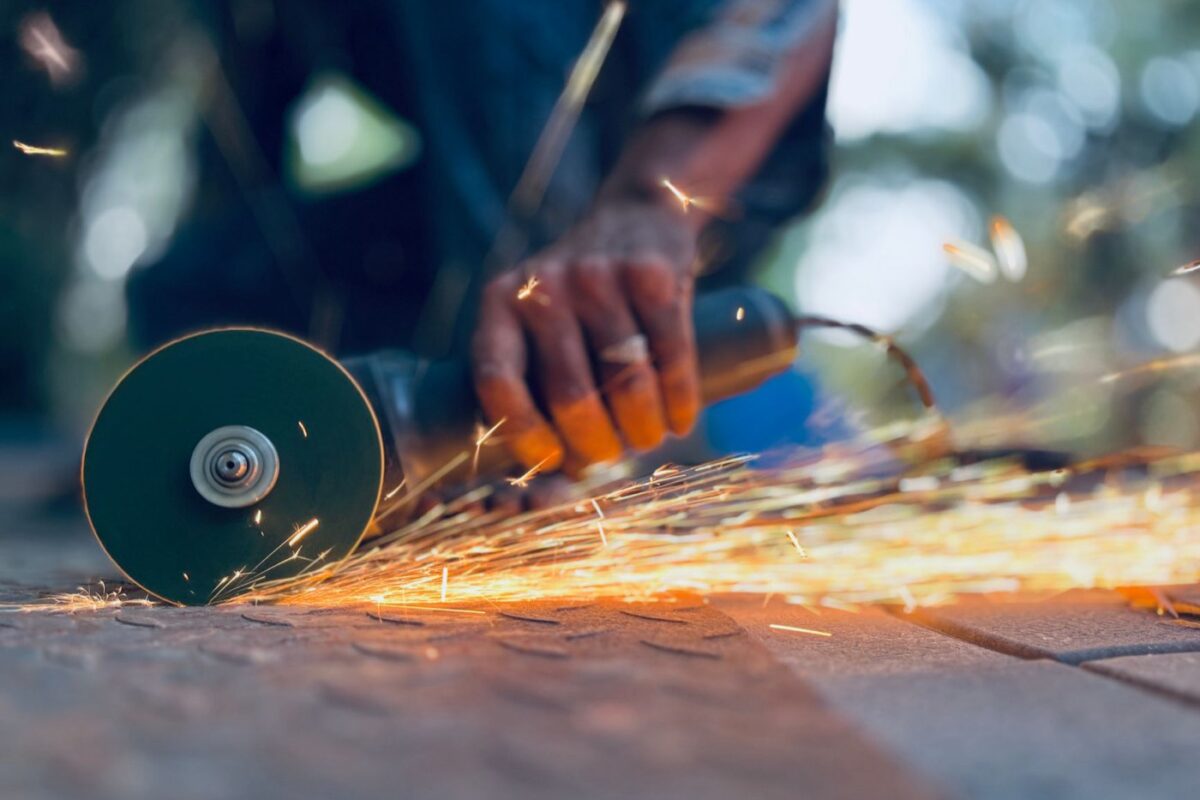
This guide helps hobbyists plan and outfit a backyard metal fabrication workshop: checklist, anchored layout options, safety and ventilation highlights, equipment tiers, and links to institutional checklists and manufacturer guides (sources cited, consulted 04/09/2026). A printable checklist is available for download.
- Quick checklist
- Plan your space — dimensions, access and workflow
- Safety and compliance — ventilation, fire protection, gas storage
- Electricity and power — circuits, 120V vs 240V
- Ventilation and fume control
- Equipment and tools — starter to dedicated
- Tables, surfaces and storage
- Modular booths and isolated posts
- Maintenance, inspection checklists
- Emergency plan and fire prevention
- Examples of layouts
- Costs and budget (notes)
- FAQ
- Resources and links
- What we do not know
Quick checklist (printable)
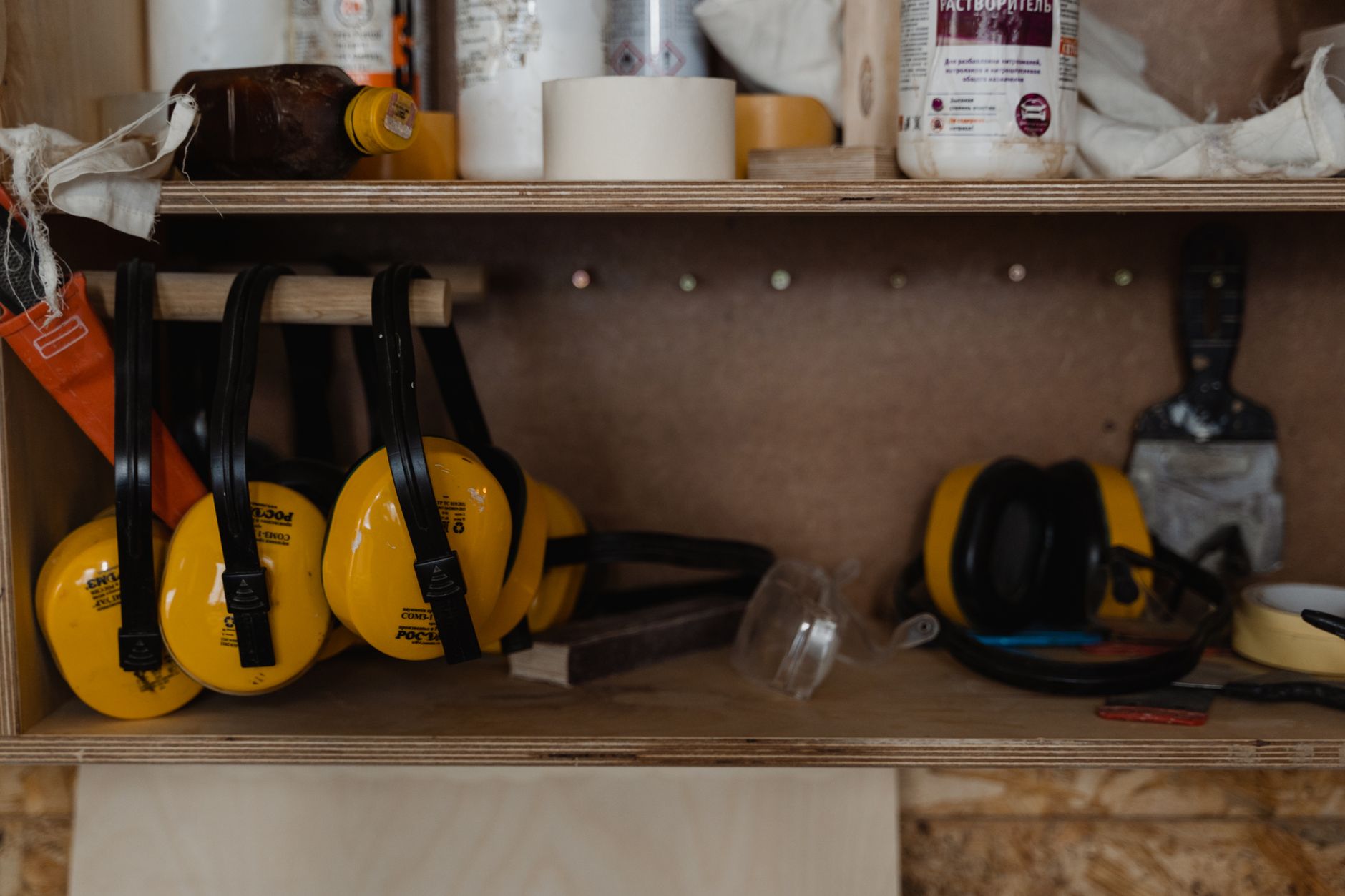
Compact list for first use and quick reference. Designed to be copied to a work clipboard or printed from the downloadable PDF.
- Designate zones: storage, cutting, welding, grinding, finishing (Welding Ranked guide; consulted 04/09/2026: https://www.weldingranked.com/articles/home-welding-shop-setup/).
- Confirm ventilation strategy: general plus local exhaust (MillerWelds Safety Checklist; consulted 04/09/2026: https://www.millerwelds.com/-/media/miller-electric/files/pdf/articles/weldingsafetychecklist.pdf).
- Secure gas cylinders outside welding bays or in fixed, ventilated storage (MillerWelds safety materials; consulted 04/09/2026).
- Plan electrical feed: identify need for dedicated 240V circuits for larger welders and consult a licensed electrician (Nion Site Sheds planning guide; consulted 04/09/2026: https://nionsitesheds.com/guides/welding-shed-planning-guide).
- Set up a steel work table and robust racks for long materials (Eastwood fabrication table guide; consulted 04/09/2026: https://www.eastwood.com/garage/step-by-step-how-to-build-a-steel-workshop-fabrication-table/).
- Keep an inspection checklist for PPE, ventilation, cylinders and fire equipment (POPProbe vocational checklist; consulted 04/09/2026: https://www.popprobe.com/checklist-library/education/vocational-training/b28-edu-voc-welding-shop-checklist).
Plan your space — dimensions, access and workflow
Zoning is central. Separate storage, cutting, welding, grinding and finishing. Multiple practical guides recommend this breakdown as the baseline for a safe, efficient shop (Welding Ranked; consulted 04/09/2026: https://www.weldingranked.com/articles/home-welding-shop-setup/).
Layout choices include U-shaped, L-shaped and linear flows. A U or L layout keeps tools and work surfaces within reach and reduces transit with hot parts. A linear flow fits narrow spaces and smaller benches.
Published examples discuss minimum functional footprints and larger dedicated shop sizes. One guide lists 12’×16′ as a common hobby functional footprint and around 20’×24′ for a dedicated shop; cite Welding Ranked for those figures (Welding Ranked; consulted 04/09/2026: https://www.weldingranked.com/articles/home-welding-shop-setup/).
Access considerations: allow routes for moving long stock and finished parts. Plan door sizes and clearance for forklifts or dollies if those will be used. Favor noncombustible floor finishes in welding and grinding zones.
Safety and compliance — ventilation, fire protection, gas storage
Several institutional and manufacturer checklists cover housekeeping, PPE, ventilation, cylinder storage and fire protection (MillerWelds Safety Checklist; SF College checklist; POPProbe inspection checklist; consulted 04/09/2026: https://www.millerwelds.com/-/media/miller-electric/files/pdf/articles/weldingsafetychecklist.pdf ; https://www.sfcollege.edu/safety/assets/forms/Welding%20Safety%20Checklist.pdf ; https://www.popprobe.com/checklist-library/education/vocational-training/b28-edu-voc-welding-shop-checklist).
Local exhaust ventilation (LEV) and general ventilation are frequently recommended. These sources emphasize removing fumes at source and maintaining clear air in occupied breathing zones.
Gas cylinders require secure, upright storage, away from welding bays and heat sources. Manufacturer and school checklists set out separation and fixation practices. Keep clear signage and train anyone using the space on cylinder handling procedures, as advised in the safety checklists cited above.
Fire protection: install suitable extinguishers per recognized checklists and create a visible evacuation route. Housekeeping must address scoria accumulation and stray hot material. Institutional checklists provide inspection items and action points for fire prevention (POPProbe; MillerWelds; consulted 04/09/2026).
Electricity and power — circuits, 120V vs 240V
Welding equipment ranges from bench-level TIG/MIG units that run on 120V to larger machines requiring 240V. Guides for welding sheds and shop planning highlight the need for dedicated circuits for higher-power welders and recommend consulting a licensed electrician for installations (Nion Site Sheds — Welding Shed Planning Guide; consulted 04/09/2026: https://nionsitesheds.com/guides/welding-shed-planning-guide).
Design electrical distribution around likely machine locations. Place lighting over workstations and use task lighting that is rated for workshop environments. Any work on fixed wiring should be performed or inspected by a qualified electrician.
Ventilation and fume control
Guides repeatedly stress a combination of general ventilation and local exhaust. LEV captures fumes at the source and limits operator exposure. Manufacturer safety PDFs and college checklists list ventilation as a primary control measure for welding fumes (MillerWelds safety documentation; SF College checklist; consulted 04/09/2026).
When working with galvanized steel, stainless or coatings, additional controls and respiratory protection may be required. Refer to material-specific guidance and safety data sheets. Use respirators appropriate to the contaminants and follow manufacturer and institutional recommendations.
Equipment and tools — starter to dedicated
Common equipment lists for a domestic metal shop appear across manufacturer and hobbyist guides. Typical items named in those sources include a welding machine (MIG, TIG or stick by intended use), steel fabrication table, angle grinder, metal cutting saw or plasma cutter, drill press, and a local exhaust system (MillerWelds setup guide; Eastwood fabrication table guide; consulted 04/09/2026: https://www.millerwelds.com/en-us/resources/knowledge-hub/automotive-welding/how-to-set-up-a-welding-space-in-your-garage-or-shop ; https://www.eastwood.com/garage/step-by-step-how-to-build-a-steel-workshop-fabrication-table/).
Organize tools by frequency of use. Keep hand tools and consumables near their workstation. Larger fabrication machines should sit on stable foundations and have clear maintenance access.
Tables, surfaces and storage
A solid steel welding table provides flatness and heat tolerance. Plans and build guides are available for DIY fabrication tables (Eastwood guide; consulted 04/09/2026: https://www.eastwood.com/garage/step-by-step-how-to-build-a-steel-workshop-fabrication-table/).
Storage must accommodate long stock and sheet material safely. Racks and overhead storage ideas are documented in recent layout articles and encourage separating raw material storage from active welding areas (Durapedia; Sheet Metal Industries; consulted 04/09/2026: https://durapedia.com/plans-designs/metal-shop-layout-ideas/ ; https://sheetmetalindustries.com/fabrication-workshop-layout-flow-safety-and-output/).
Modular booths and isolated posts
Welding booths, curtains and modular bays limit stray sparks and contain light and airborne debris. Guides note benefits for dust control, fume management and protection of adjacent work. Consider booths for high-frequency or noisy operations.
Maintenance, inspection checklists
Institutional inspection checklists provide ready-made inspection routines for PPE, ventilation systems, cylinders, cable integrity and fire equipment (POPProbe checklist; SF College; MillerWelds safety checklist; consulted 04/09/2026).
Adopt a routine inspection cadence based on hours of operation and usage intensity. Record inspections and corrective actions to maintain a defensible maintenance trail.
Emergency plan and fire prevention
Create an emergency response plan that locates extinguishers, identifies evacuation routes and lists emergency contacts. Ensure staff or household members know the plan and drill at a cadence that fits shop activity. Safety checklists cited above include fire prevention items and inspection steps.
Examples of layouts — small, medium, dedicated
Layout examples help visualize workflows. Use a U or L layout where space allows to centralize common tools. Linear layouts suit narrow shops. For dimensions and footprint examples, see the Hobby vs Dedicated shop figures in Welding Ranked (consulted 04/09/2026: https://www.weldingranked.com/articles/home-welding-shop-setup/).
Annotate any layout with zones for storage, cutting, welding, grinding and finishing. Mark routes for moving long stock and emergency exits.
Costs and budget (notes)
Cost ranges vary by equipment brand and local availability. If precise price data is required, consult current retailer listings or manufacturer catalogs. Do not assume prices without a dated source.
FAQ
Q: Is local exhaust ventilation always required?
A: Safety guides and manufacturer checklists list LEV as a primary control for welding fumes. Material and frequency of work influence the level of control needed (MillerWelds safety checklist; SF College checklist; consulted 04/09/2026).
Q: Do gas cylinders need special storage?
A: Yes. Industry and school checklists require secure, upright storage away from welding bays and ignition sources (MillerWelds; POPProbe; consulted 04/09/2026).
Q: Can a hobbyist install a 240V circuit?
A: A licensed electrician should size and install 240V circuits. Planning guides for welding sheds recommend consulting an electrician before connecting high-power welders (Nion Site Sheds planning guide; consulted 04/09/2026).
Resources and links
- Welding Ranked — Home Welding Shop Setup: Complete Guide. Consulted 04/09/2026. https://www.weldingranked.com/articles/home-welding-shop-setup/
- MillerWelds — Welding Safety Checklist (PDF). Consulted 04/09/2026. https://www.millerwelds.com/-/media/miller-electric/files/pdf/articles/weldingsafetychecklist.pdf
- MillerWelds — How to Set Up a Welding Space in Your Garage or Shop. Consulted 04/09/2026. https://www.millerwelds.com/en-us/resources/knowledge-hub/automotive-welding/how-to-set-up-a-welding-space-in-your-garage-or-shop
- POPProbe — Vocational Welding Shop Safety Inspection checklist. Consulted 04/09/2026. https://www.popprobe.com/checklist-library/education/vocational-training/b28-edu-voc-welding-shop-checklist
- SF College — Welding Safety Checklist (PDF). Consulted 04/09/2026. https://www.sfcollege.edu/safety/assets/forms/Welding%20Safety%20Checklist.pdf
- Nion Site Sheds — Welding Shed Planning Guide. Consulted 04/09/2026. https://nionsitesheds.com/guides/welding-shed-planning-guide
- Eastwood — How to Build a Steel Workshop Fabrication Table. Consulted 04/09/2026. https://www.eastwood.com/garage/step-by-step-how-to-build-a-steel-workshop-fabrication-table/
- Durapedia — Metal Shop Layout Ideas. Consulted 04/09/2026. https://durapedia.com/plans-designs/metal-shop-layout-ideas/
- Sheet Metal Industries — Fabrication Workshop Layout. Consulted 04/09/2026. https://sheetmetalindustries.com/fabrication-workshop-layout-flow-safety-and-output/
- Wikipedia — Welding (safety, ventilation). Consulted 04/09/2026. https://en.wikipedia.org/wiki/Welding
What we do not know
Exact numeric values not found in the cited sources are not included here.
- Required airflow rates in CFM for LEV for specific welding processes.
- Minimum distances or mandated placement of extinguishers relative to surface area without a jurisdictional standard cited.
- Power draws in amps for a specific welder model or the exact circuit sizing for any given machine.
- Any claim that a particular layout is “code compliant” for a named jurisdiction without an official local code citation.
For the items above, consult the linked manufacturer and institutional sources, local building and fire authorities, and a licensed electrician or EHS professional before installing fixed services or making compliance claims.

Rédacteur spécialisé · soudure, métallerie, bricolage
Gabriel couvre l'univers de la soudure et de la métallerie, partageant des conseils pratiques et des méthodes efficaces. Il vérifie chaque information à l'aide de sources fiables pour garantir la qualité de ses articles.
Dans Choisir un Atelier
14 septembre 2026
Homeowners’ Guide to Efficient Thick Turret Tooling Setups
14 septembre 2026
Understanding the Impact of the Steel Supply Crunch on Homeowners
13 septembre 2026