Choisir un Atelier
Évaluer un atelier de soudage local : guide et checklist
Guide pratique pour vérifier certifications, programme de sécurité, procédures qualité, devis et références d un atelier de soudage local, plus script d entreti
Gabriel Chevalier 9 min de lecture
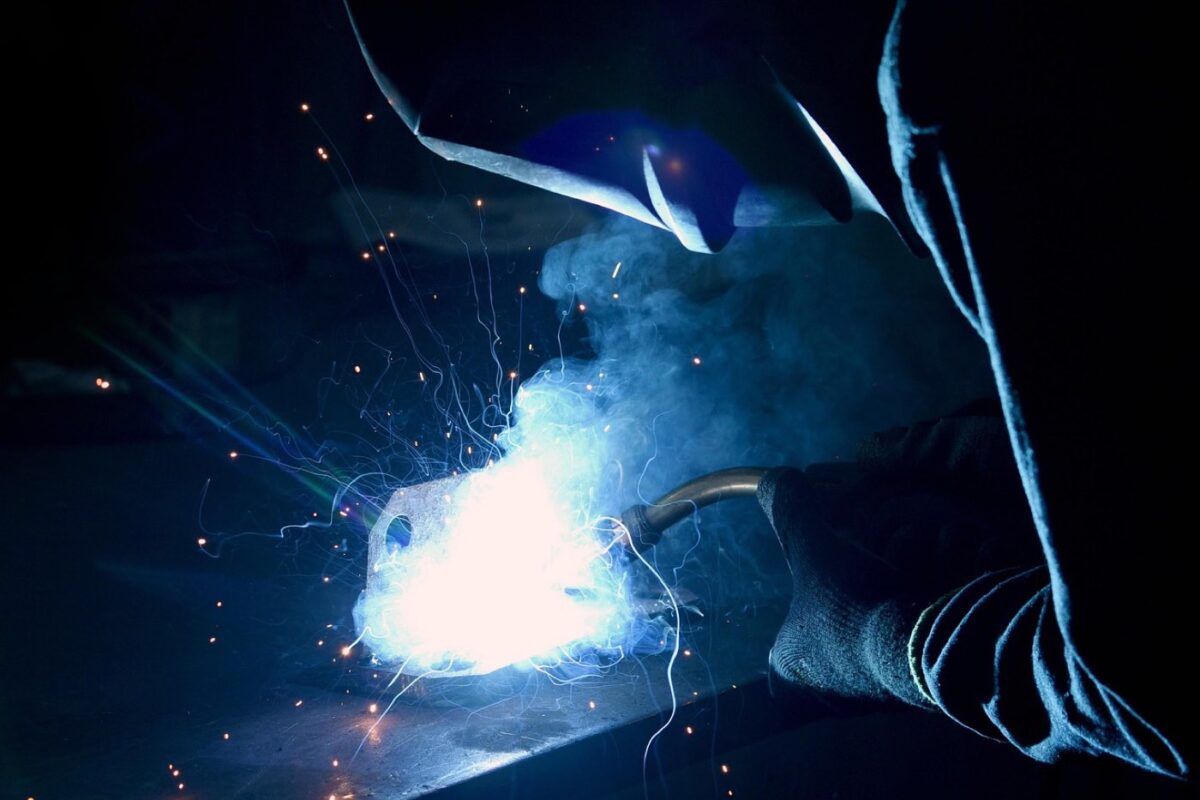
After reading this guide you will have a clear checklist and interview script to evaluate local welding and metal fabrication shops for quality, safety, and reliability, and you will know when to consult a certified inspector or engineer.
- Quick checklist (at-a-glance)
- Why vetting your welding shop matters
- Credentials, certifications and verifications to check
- Safety program & shop conditions (OSHA-based checks)
- Quality control — procedures, records, and sample work
- Pricing, quotes, and contract basics
- References, reviews, and business standing
- Interview questions to ask the shop (script / checklist)
- Red flags — when to walk away
- For structural or critical welds — when to hire a certified inspector or engineer
- Next steps — getting and comparing 3 quotes
- FAQs
- Related pages & resources
- Sources and further reading
Quick checklist (at-a-glance)
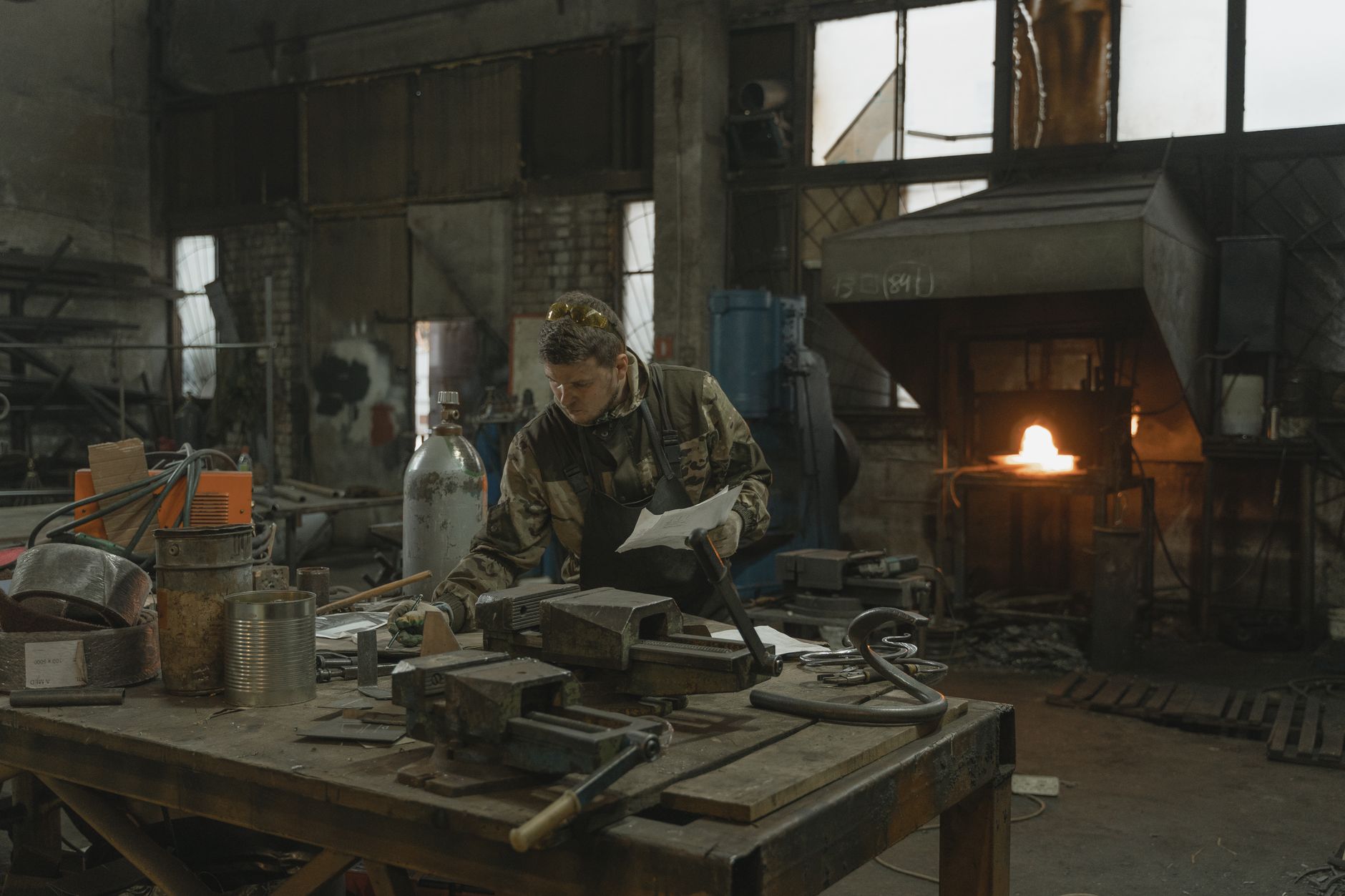
Use this at-a-glance list during initial calls or visits. Each item below links to a detailed section later in the guide.
- Ask for welder/company certifications and verify them (see AWS verification steps).
- Confirm a written safety program and visible OSHA-based practices (see OSHA checklists).
- Request Welding Procedure Specifications (WPS) and related records (see AWS guidance).
- Check references and BBB/online reviews (see BBB consumer guidance).
- Get a detailed written estimate with scope and payment terms (see BBB consumer tips).
- Use the interview script and scorecard to compare shops (see hiring templates).
- Watch for red flags: refusal to show certificates, unsafe shop, no written estimate (see consumer & safety sources).
- For structural or regulated work, arrange a CWI or engineer review (see AWS resources).
Why vetting your welding shop matters
Hiring a welding shop without vetting can lead to safety hazards, costly rework, and failures of structural parts. Welding involves heat, fumes, pressurized gases, and the potential for structural weakness if done incorrectly.
OSHA publishes employer guidance and checklists that explain workplace hazards tied to welding, cutting, and brazing operations and the measures shops should have in place to reduce risk (OSHA, consulted 09/04/2026). Checking safety programs and observable shop practices reduces the chance of accidents during the job and helps protect you from liability.
The American Welding Society defines certification programs and standards that affect workmanship and inspection practices. Verifying certifications and procedural documentation aligns your expectations with established industry measures for quality (AWS, consulted 09/04/2026).
Credentials, certifications and verifications to check
Certifications indicate that welders or shops have been tested against specific standards. The American Welding Society (AWS) describes welder certification programs and how those credentials are issued (AWS, consulted 09/04/2026).
What to ask for: request to see individual welder certification cards and company-level documentation. Ask for the certifying body, the certificate ID if available, and the expiration or requalification date. Then verify with the certifying body or via AWS resources when possible.
Company-level accreditations or registrations vary. Some shops participate in third-party quality programs; others rely on internal quality systems. State and local licensing requirements for metal fabrication or contractors vary. Consumer guides recommend checking licensing where it applies and consulting local building departments or contractor licensing boards for confirmation (BBB, consulted 09/04/2026).
Exact verification actions: ask to photograph or copy certification cards, note certifying organization names, and follow up with the issuing body or referenced resource listed by the shop. Use AWS public information as a starting point for understanding credential types (AWS, consulted 09/04/2026).
Safety program & shop conditions (OSHA-based checks)
Observe the shop during a walk-through for adherence to basic safety practices described in OSHA guidance and state checklists. OSHA and state agencies publish checklists and employer guidance for welding safety (OSHA, consulted 09/04/2026; example state checklists such as Texas TDI, consulted 09/04/2026).
Walk-through items to check: personal protective equipment (PPE) in use and available; evidence of ventilation or local exhaust for fume control; separation of hot work from combustibles and visible fire prevention measures; secure cylinder storage and chain/clamp restraints; electrical cords and grounding; and posted hot-work permit procedures when required.
Sample inspection questions based on OSHA/TDI materials: « Do you have a written hot-work permit process? », « How are cylinders secured and stored? », and « What ventilation is in place to control fumes? » These mirror the practical checklists found in OSHA and the Texas Department of Insurance welding/cutting/brazing checklist (OSHA & TDI, consulted 09/04/2026).
Quality control — procedures, records, and sample work
Quality control practices signal whether a shop follows repeatable procedures. Ask whether the shop uses Welding Procedure Specifications (WPS) and Procedure Qualification Records (PQR), and request examples or redacted copies for similar jobs. AWS describes these records as part of qualification and testing frameworks (AWS, consulted 09/04/2026).
Inquire about inspection methods: does the shop perform or contract non-destructive testing (NDT)? Are there documented production test records, stitch tests, or inspector sign-offs? If the job is critical, request evidence of inspection plans and the qualifications of inspectors.
Review the shop’s portfolio of recent projects and request references from clients with comparable scopes. Request photos and contact details for references so you can verify workmanship on similar jobs. Hiring templates and industry guidance emphasize matching references to the work you need done (FirstHR, WeldRunners, consulted 09/04/2026).
Pricing, quotes, and contract basics
A reliable written estimate should include a clear scope of work, materials to be used, the welding processes planned, timeline, payment terms, and how change orders are handled. Consumer guidance recommends written estimates to avoid misunderstandings (BBB, consulted 09/04/2026).
Compare multiple bids and watch for unusually low offers; the consumer guidance warns that very low bids can signal corners will be cut or that key costs are being omitted (BBB, consulted 09/04/2026). Ask about warranties or repair policies and whether subcontractors will be used, and get those terms in writing.
References, reviews, and business standing
Ask the shop for recent local references with similar scope and follow up by asking specific questions about timeliness, adherence to specifications, cleanup, and post-job repairs. Contacting references directly helps you confirm consistency beyond online reviews.
Check the shop’s Better Business Bureau profile and complaint history for patterns of unresolved issues or recurring complaints (BBB, consulted 09/04/2026). Use online reviews as one input among references and on-site observation rather than the sole decision factor (BBB & consumer guidance, consulted 09/04/2026).
Interview questions to ask the shop (script / checklist)
Group questions into categories and score them to compare shops objectively. The following questions are drawn from hiring templates and industry vetting guides (FirstHR; WeldRunners; Angi, consulted 09/04/2026).
- Safety: « Do you have a written safety program for welding operations? How do you manage hot work permits and fume control? »
- Technical/process: « Which welding processes will you use for this job? Can you provide the WPS or describe the procedure? »
- Quality assurance: « Do you perform NDT or have inspection records for similar projects? »
- Timeline & logistics: « What is the estimated timeline and how are delays handled? »
- Insurance & bonding: « Can you provide a certificate of insurance and proof of coverage for this job? »
Scorecard template (example): Rate each category 1–5 and total for comparison. Use the summed score to prioritize follow-ups. The idea and categories follow common hiring templates and vetting checklists (FirstHR; WeldRunners, consulted 09/04/2026).
| Category | Score 1–5 | Notes |
|---|---|---|
| Safety | ||
| Technical/process | ||
| Quality assurance | ||
| Timeline & logistics | ||
| Insurance & contracts | ||
| Total |
Red flags — when to walk away
Common warning signs include refusal to show certifications or proof of insurance, no local references, visibly unsafe shop conditions, refusal to provide a written estimate or contract, and bids that are dramatically lower than others. Consumer guidance and OSHA safety concerns form the basis for these red flags (BBB; OSHA, consulted 09/04/2026).
If you encounter multiple red flags, choose another shop or insist on third-party inspection for critical work.
For structural or critical welds — when to hire a certified inspector or engineer
For structural, pressure-retaining, or regulated work, consult a Certified Welding Inspector (CWI) or a structural engineer before work begins. AWS resources describe inspection roles and criteria for qualified inspectors; for critical applications, professional inspection reduces risk and documents compliance (AWS, consulted 09/04/2026).
Do not rely solely on a shop’s assurances for critical welds. A third-party inspector can review WPS/PQR, witness tests, and sign inspection reports that may be required by building or regulatory authorities.
Next steps — getting and comparing 3 quotes
Prepare a clear written scope before requesting quotes. Ask at least two to three shops for written estimates that include the items listed earlier: scope, process, materials, timeline, payment terms, and change order procedures.
Compare quotes side-by-side using the scorecard and checklist. Keep written agreements and records of communications. For regulated or structural projects, arrange an inspector review as part of the decision.
What certifications matter for welders?
Welder certifications issued under recognized programs such as those described by the American Welding Society are commonly used to demonstrate skill and scope. Ask for welder certification cards and verify the certifying body (AWS, consulted 09/04/2026).
How do I verify insurance and bonding?
Request a certificate of insurance and contact the insurer to confirm coverage and effective dates. Consumer guidance suggests verifying insurance rather than accepting verbal claims (BBB, consulted 09/04/2026).
Can I rely on online reviews alone?
Online reviews are useful but should be combined with direct references, on-site checks, inspection of certifications, and a written estimate. Consumer guidance recommends multiple verification steps (BBB, consulted 09/04/2026).
Related pages & resources
- Types of welding services
- Local shop directory
- How welding costs are calculated
Sources and further reading
- American Welding Society — AWS certification overview. Consulted 09/04/2026. https://www.aws.org
- OSHA — Welding, cutting, and brazing guidance and checklists. Consulted 09/04/2026. https://www.osha.gov
- Texas Department of Insurance — Welding, Cutting, and Brazing Checklist. Consulted 09/04/2026. https://www.tdi.texas.gov/pubs/videoresource/cklweldcut.pdf
- Better Business Bureau — Tips on hiring contractors and consumer guidance. Consulted 09/04/2026. https://www.bbb.org/article/news-releases/27550-bbb-tip-having-trouble-finding-a-qualified-contractor-try-these-tips
- FirstHR — Welder interview questions and hiring templates. Consulted 09/04/2026. https://firsthr.app/templates/hiring/welder-interview-questions
- WeldRunners — Hiring a Welder? 7 Things to Check First. Consulted 09/04/2026. https://weldrunners.com/blog/hiring-a-welder-7-things-to-check
- Angi — Tips for How to Hire a Welder. Consulted 09/04/2026. https://www.angi.com/articles/4-things-consider-when-hiring-welder.htm
- OSHA small business publications and self-inspection resources. Consulted 09/04/2026. https://obis.osha.gov/Publications/smallbusiness/small-business.html
What we do not know: the site’s DATA-BANK entries for local statistics are not available, the site’s author policy (VOICE.md) is not present, and there is no documented, live methodology for any « recommended » or shop-status program. Do not rely on local shop counts, price estimates, or any site-level verification claims absent those data or modules.
Disclaimer: This page is informational only and does not replace professional certification, inspection, or legal requirements. For structural or regulated work, consult a qualified inspector or licensed engineer.

Rédacteur spécialisé · soudure, métallerie, bricolage
Gabriel couvre l'univers de la soudure et de la métallerie, partageant des conseils pratiques et des méthodes efficaces. Il vérifie chaque information à l'aide de sources fiables pour garantir la qualité de ses articles.
Dans Choisir un Atelier
14 septembre 2026
Homeowners’ Guide to Efficient Thick Turret Tooling Setups
14 septembre 2026
Understanding the Impact of the Steel Supply Crunch on Homeowners
13 septembre 2026