Accueil Projets & Aménagements
Projets & Aménagements
Projets de fabrication d’acier pour la maison
Idées et plans pratiques pour ateliers domestiques: sécurité, outillage et choix des matériaux. Ne remplace pas le calcul d'un ingénieur pour structures porteus
Gabriel Chevalier 7 min de lecture
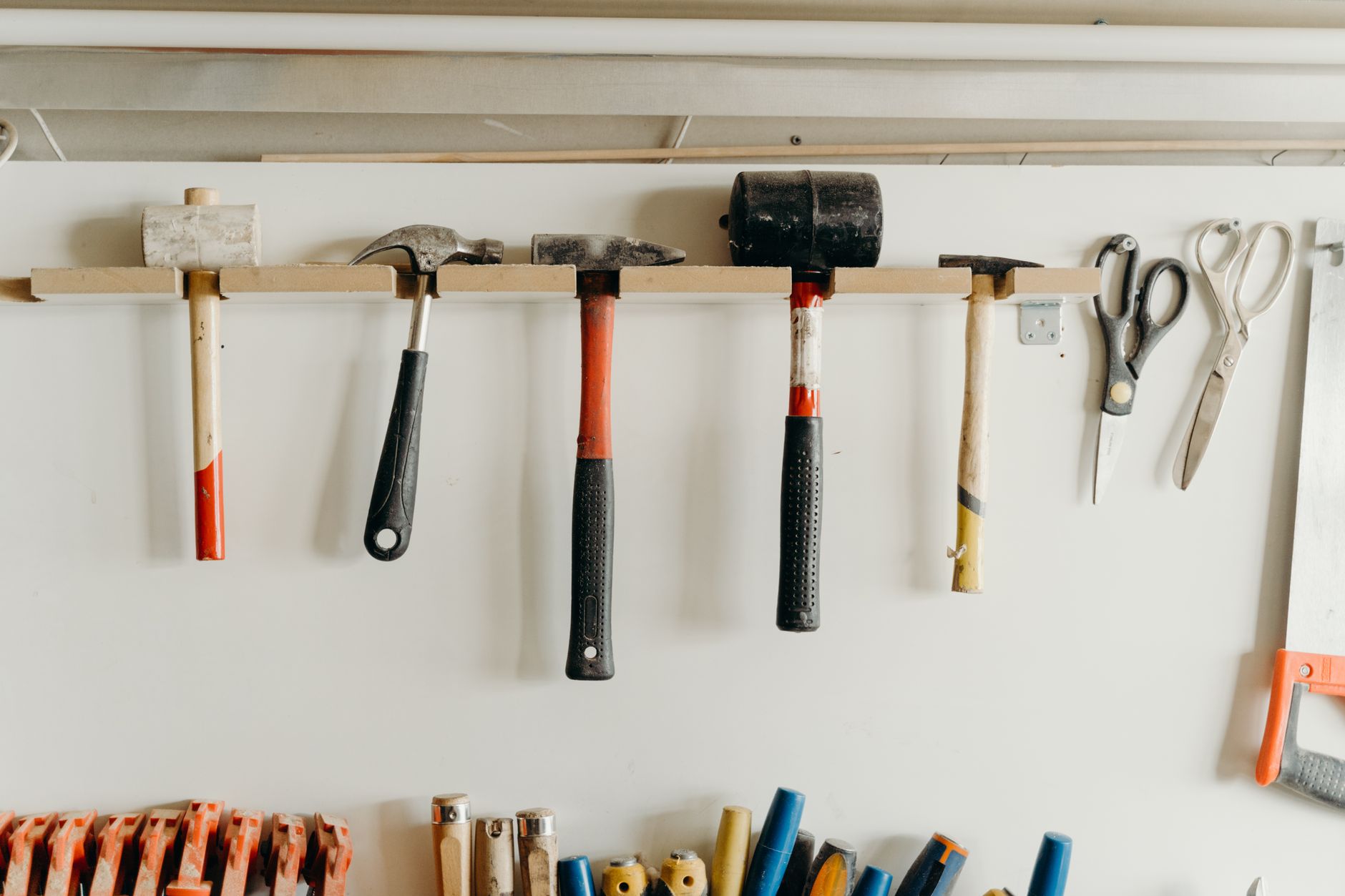
This guide lists practical home steel fabrication project ideas and planning steps for hobbyists and small workshops, explains what fits a domestic setting and what requires professional validation, and points to vetted online resources for plans and tutorials.
Introduction: why build with steel at home
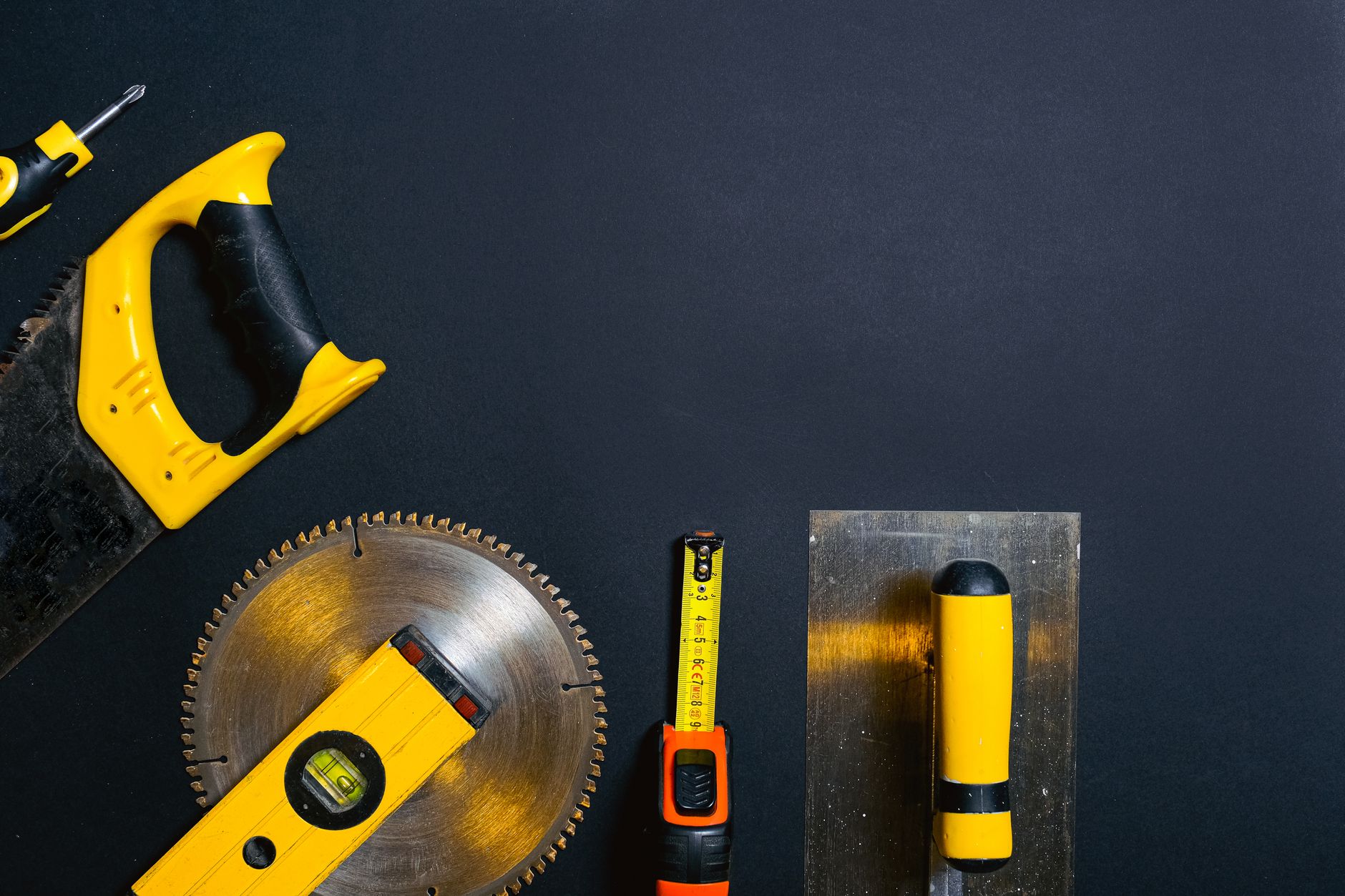
Steel projects for the home or workshop serve practical needs: workbenches, storage racks, equipment supports and small pieces of furniture. These projects teach cutting, fitting, joining and finishing skills that transfer to other metalwork tasks. For a hobbyist, the process of fabricating simple steel items builds fundamental techniques such as measuring, squaring, tack-welding and finishing.
This page covers metal fabrication projects appropriate for a home or small workshop setting, the basic safety and tooling considerations, and where to find plans and tutorials. It does not replace professional engineering for load-bearing structures or provide certified structural calculations; for garage frames, building shells or other elements that carry significant loads, consult an engineer and official plans.
Before you start: safety, tooling and material choices
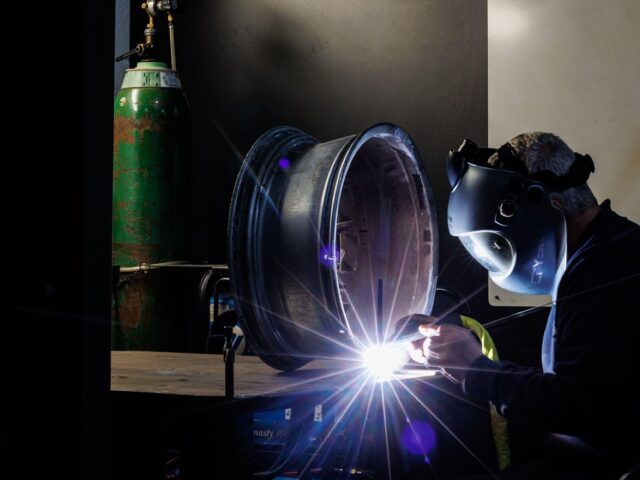
Safety is the baseline for any metal project. Personal protective equipment (PPE) like appropriate welding helmets, gloves, eye protection and clothing that resists sparks is essential. Good ventilation and control of fumes are necessary when welding or cutting. Sparks and hot metal create burn and fire risks; plan a clear, noncombustible workspace and a method to control hot work. For legal and insurance questions about workspace or risk, seek official guidance or a professional.
Tooling needs depend on project scope. Common workshop tools used by hobbyists include a welder suitable for the chosen process (MIG, TIG or flux-core), an angle grinder for cutting and finishing, a drill or drill press, measuring and squaring tools, clamps and a vise. Optional equipment such as a metal cutoff saw or shop press increases capability but is not required for basic projects. Choice of welding process and tooling should match material thickness and joint design; detailed tool-selection guidance appears in the linked tutorials listed later.
Material choices for home projects typically center on mild steel and common profiles: square tube, angle iron (angle), flat bar and sheet/plate. Each profile has typical uses: tube and angle for frames and supports, flat bar for brackets and small fittings, and plate for tops and gussets. Material availability and section sizes vary by supplier; check suppliers’ catalogs and the project plans for compatible dimensions.
Ideas by level and intended use
Organizing project ideas by skill level helps match goals to current ability and equipment. For each idea below, the description highlights the core operations, required tools and variants found in the linked plans.
Beginner projects: suitable for first-time fabricators because they focus on simple cuts, basic joints and minimal fixturing. Examples include wall-mounted tool holders, small shelves or racks, simple carts and basic brackets. Key operations are accurate measuring, straight cuts and tack-welding followed by final welds. Tutorials and free plans provide cut lists and step-by-step photos; sources include project roundups and beginner guides referenced below.
Intermediate projects: require firmer control of alignment, stronger joints and sometimes mixed materials. Examples are a welding table (including fold-down designs), a stout tool cart or a bench combining steel frame with a wood or MDF top. These projects demand attention to squaring, reinforcement placement and often require more welding time and grinding to finish seams. The fold-down welding table project cited in the sources illustrates a space-saving variant that suits tighter workshops.
Advanced projects: involve larger frames, furniture that carries people, or assemblies close to structural loads. Examples include heavy furniture frames, light gantries or frames that will support significant weight. These projects call for validated plans or structural calculations and, for anything carrying notable loads, consultation with a structural engineer or use of professional building plans. The guide points to specialists and building-plan providers for those cases.
Where to find plans and materials
Multiple online resources offer plans, ranging from free cut lists and sketches to paid downloadable blueprints. Example sources used in this guide include collections of metalworking plans, blog tutorials with step photos, and individual project pages that publish downloadable instructions. Review each plan to confirm it fits the intended use and material availability.
Typical plan sources include blogs and plan repositories that publish both free and paid plans. Workshops and makers publish step-by-step guides and videos; dedicated channels on video platforms demonstrate techniques and show build sequences. Vendors and plan shops may also sell plans tailored to specific machines or materials. The links at the end of this page point to concrete examples used while compiling this guide.
Material suppliers and fabrication services vary by region. Local steel yards, metal service centers and online distributors supply common sections; some suppliers offer cutting-to-size services. When ordering, verify plate thicknesses and section dimensions against the plan’s cut list. For projects fixed to the ground or forming part of a building, confirm local regulations and required permits before construction.
Adapting projects to your workshop: space, budget and objectives
Small garage setups benefit from fold-away or wall-mounted solutions to maximize floor space. A fold-down welding table or wall racks keep workspace clear and can be built from common tube and plate components; see the fold-down table resource cited below for a practical example. Prioritize mobility—casters on carts or racks allow reconfiguration as tasks change.
Workshops with more space can opt for dedicated, heavier-duty benches and storage systems. Heavy tables and racks require thought about anchoring, maneuverability and load distribution. When projects aim for domestic appearance as well as utility, combining steel frames with wood tops or accents yields a finished look while maintaining strength.
For outdoor or corrosive environments, material selection affects longevity. Stainless steels and aluminum are options for corrosion resistance but have different welding and machining requirements; review suppliers’ guidance and tutorials on welding aluminum or stainless before committing to those materials.
Planning checklist for a project
Before cutting metal, work through a short planning checklist: define the function and required dimensions, select material and profile types compatible with the design, list all cuts and joints, specify required tools and PPE, plan assembly order and fixturing, and outline finishing steps such as grinding, priming and painting. For any element that will carry significant load, include a step to obtain validated structural plans or engineering sign-off.
Include a test or mock-up stage in the plan: a dry assembly using tack welds or clamps lets the builder verify fit and alignment before final welding. Ensure that access for grinding and finishing is considered when designing joints and reinforcements.
Links to plans and tutorials cited
- Metal fabrication project ideas — Journeyman HQ: https://www.journeymanhq.com/8601/metal-fabrication-project-ideas/ — consulted 04/09/2026.
- Beginner metalworking overview — Crank Street: https://crankstreet.com/beginners-guide-to-metalworking-tools-techniques-and-first-projects/ — consulted 04/09/2026.
- Fold-down welding table project — Glenn Frazee: https://www.glennfrazee.com/projects/fold-down-welding-table — consulted 04/09/2026.
- Collections of metalworking plans — Smith Metal Shop: https://smithmetalshop.com/collections/metalworking-plans — consulted 04/09/2026.
- Free steel plans repository — Red Wing Steel Works: https://redwingsteelworks.com/free-plans/ — consulted 04/09/2026.
- Steel building floor plans (for professional structures) — Steel Buildings Guide: https://steelbuildingsguide.org/floor-plans/ — consulted 04/09/2026.
- Commercial steel building examples — Steely Built: https://steelybuilt.com/buildings — consulted 04/09/2026.
- Project gallery and tutorials — DoItYourself: https://www.doityourself.com/stry/13-simple-metalworking-projects-to-transform-your-space — consulted 04/09/2026.
- Beginner project ideas roundup — Working the Flame: https://workingtheflame.com/beginner-metalwork-project-ideas/ — consulted 04/09/2026.
- Video tutorial example (welding techniques and project build): https://www.youtube.com/watch?v=UjFYhU4bxKY — consulted 04/09/2026.
- Community discussion forum (practical tips and sourcing): https://www.reddit.com/r/Welding/comments/1h0e2qa — consulted 04/09/2026.
What this guide does not provide
The following items are intentionally not supplied here because they require specific sources or professional input:
- Estimated project costs or price ranges without dated sourcing.
- Typical project durations in hours or days without authoritative estimates.
- Exact recommended section dimensions or plate thicknesses that would be appropriate for structural loads without citation.
- Local construction or engineering code requirements for load-bearing structures; those must be verified with an engineer or local authorities.
- Search-volume data and numeric popularity metrics for the query that generated this page.
Next steps and safety reminder
Choose a small, well-scoped first project—such as a wall-mounted rack or a simple cart—review a step-by-step tutorial from the linked resources, gather appropriate PPE and tools, and perform a dry assembly before committing to final welds. For any project that will support people or serve as part of a building, obtain validated plans or professional engineering review. Safety, measured planning and verification of materials and dimensions are the essential preconditions for successful home steel fabrication.

Rédacteur spécialisé · soudure, métallerie, bricolage
Gabriel couvre l'univers de la soudure et de la métallerie, partageant des conseils pratiques et des méthodes efficaces. Il vérifie chaque information à l'aide de sources fiables pour garantir la qualité de ses articles.
Dans Projets & Aménagements
31 août 2026