Houston Welding: Services, Costs & How to Choose a Shop

Everything Houston residents and builders need to know about local welding shops, certifications, pricing and current demand in 2026.
- Rubrique
- Actualité
- Matière
- Aluminium
- Auteur
 Gabriel Chevalier
- Publié le
- Lecture
- 5 min
Points à retenir
- Houston's welding industry splits broadly into two categories: shop-based fabrication and mobile field welding.
- Texas does not issue a state welding license, so certification is the main way to verify a welder's skill.
- The American Welding Society has projected that the United States needs roughly 82,500 new welders every year just to replace retiring workers and meet growing demand.
- Part of the response to the shortage has come from training pipelines aimed at veterans, who often already have hands-on technical experience.
If you’re searching for welding services in Houston, the short answer is that the city has a dense network of structural steel and custom fabrication shops, most staffed by welders certified to AWS D1.1, and prices vary widely depending on whether the job is a small repair or a full structural install. Understanding what certifications matter, what shops actually do, and why demand is rising will help you pick the right provider and avoid overpaying.
What Houston welding shops actually offer
Houston’s welding industry splits broadly into two categories: shop-based fabrication and mobile field welding. Shop-based operations, such as MSM Machine Works, work from a fixed facility where steel is cut, fitted and welded under controlled conditions before being delivered to a job site. Mobile welders instead travel to the client, handling on-site structural steel erection, pipeline work or emergency repairs.
Several established Houston shops, including BHS Welding (operating since 1996) and WeldIT, which runs a 40,000-square-foot facility, describe themselves as turnkey providers. That means they handle everything from shop-drawing preparation through fabrication to final on-site erection, rather than just welding isolated pieces. This matters for anyone planning a larger project: a turnkey shop avoids the coordination headaches of hiring separate drafters, fabricators and installers.
Materials handled commonly include carbon steel for structural frames, aluminum for lighter or corrosion-resistant applications, and stainless steel or cast iron for specialty repairs. If your project involves exterior metalwork like railings or gates, it’s worth comparing options such as steel gate fabrication or ornamental ironwork techniques, which rely on the same core welding skills but different finishing standards.
Why AWS certification matters when hiring a welder
Texas does not issue a state welding license, so certification is the main way to verify a welder’s skill. Most Houston shops require welders to pass performance-based tests tied to specific standards: AWS D1.1 for structural steel, ASME Section IX for pressure vessels, and API 1104 for pipeline work. A welder certified under AWS D1.1 has demonstrated the ability to produce welds that meet structural load requirements, which is the standard most residential and commercial fabrication jobs in Houston reference.
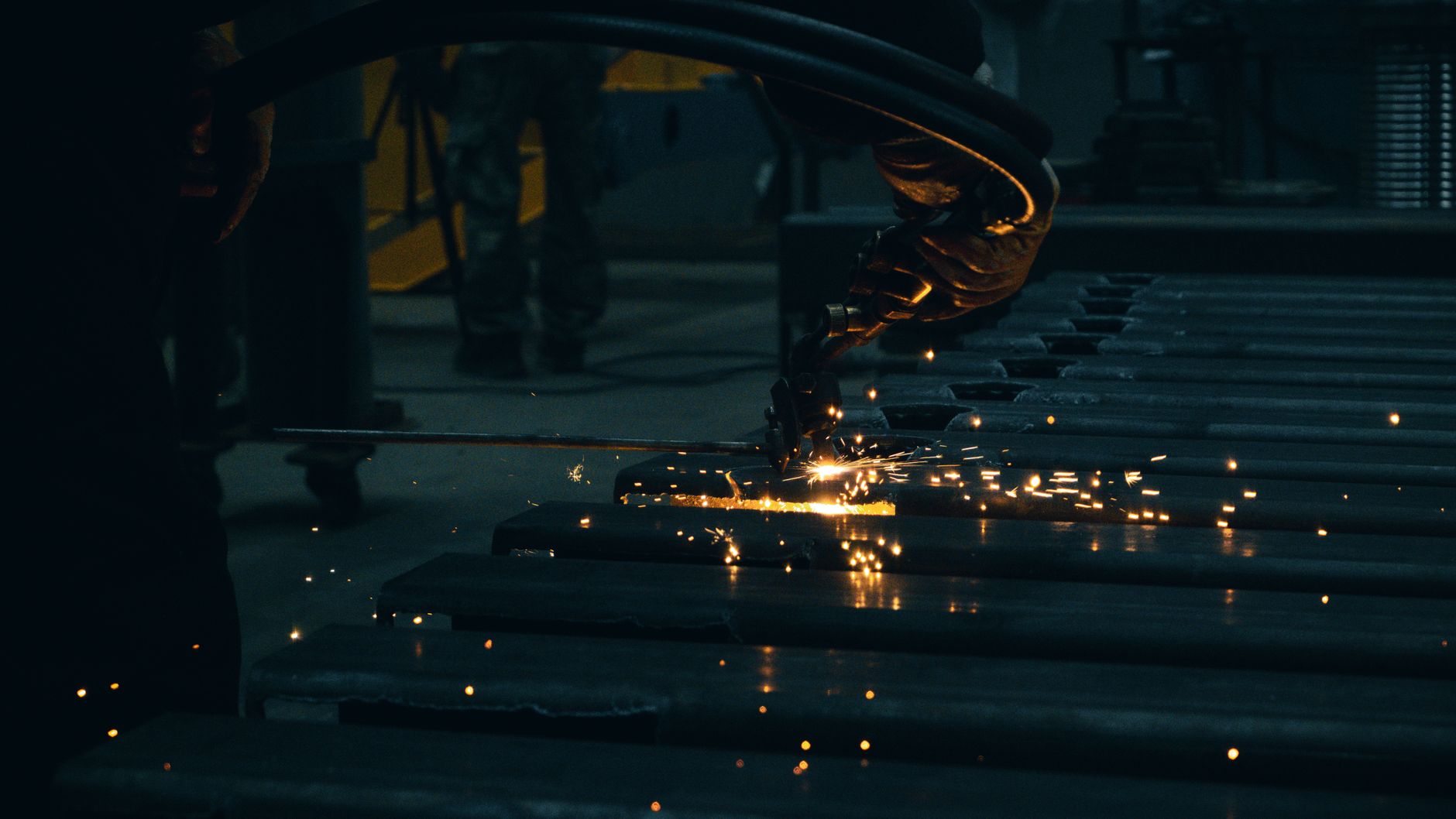
When vetting a shop, ask which standard their welders are certified under and whether that certification matches your project. A fence or gate repair doesn’t need pipeline-grade certification, but a load-bearing structural beam does. Shops that advertise AWS D1.1 certification across their team, as MSM Machine Works does, are signaling that their output is held to a documented, testable quality bar rather than informal experience alone.
The welder shortage is driving up demand and costs
The American Welding Society has projected that the United States needs roughly 82,500 new welders every year just to replace retiring workers and meet growing demand. Industry estimates cited by welding trade publications put the cumulative shortfall on track to reach around 330,000 unfilled welding positions by 2028. Texas, and particularly the Permian Basin, is experiencing acute shortages tied to pipeline construction and energy-sector work, which pulls skilled welders away from smaller fabrication and residential projects.
For Houston homeowners and contractors, this shortage has a direct practical effect: experienced welders are in higher demand, lead times for custom fabrication jobs can stretch longer than in previous years, and shops with full crews command a premium. If you’re hiring for a project with a deadline, it’s worth booking early and confirming a shop’s current schedule rather than assuming next-week availability.
One path into the trade: veteran certification programs
Part of the response to the shortage has come from training pipelines aimed at veterans, who often already have hands-on technical experience. Programs that help veterans earn welding certificates are increasingly relevant for Houston shops looking to fill open positions with reliably trained staff. If you’re a shop owner or hiring manager wondering how this affects your own staffing options, it’s worth reading our related piece on veterans earning welding certificates and what it means for hiring in a tight labor market.
How to choose a Houston welding shop
- Match certification to the job. Structural work needs AWS D1.1; pipeline work needs API 1104; pressure vessels need ASME Section IX.
- Ask about turnkey capability. If your project spans design, fabrication and installation, a single turnkey provider reduces coordination risk.
- Check facility size and equipment. Larger shops, like WeldIT’s 40,000-square-foot facility, can typically handle bigger structural orders without subcontracting.
- Confirm material expertise. Aluminum, stainless steel and cast iron each require different welding techniques; make sure the shop has demonstrated experience with your specific material.
- Book ahead given current demand. With the national welder shortage affecting availability, confirm realistic turnaround times before committing to a deadline.
Houston’s welding market remains robust precisely because the city’s construction, energy and industrial sectors all depend on it. Whether you need a quick structural repair or a full fabrication-to-installation project, matching your job to a shop’s certification and facility capacity is the most reliable way to get a quality result at a fair price.