Water-Soluble Solder Flux Market to Grow Through 2035

A new forecast shows steady growth for solder flux through 2035, here's what's driving it and why it matters for metalworkers.
- Rubrique
- Actualité
- Auteur
 Gabriel Chevalier
- Publié le
- Lecture
- 4 min
Points à retenir
- The water-soluble segment is part of a larger solder flux market that's also on an upward trajectory.
- This is a different use case than the flux most welders and metal fabricators encounter day to day.
- For welders and fabricators who don't work directly in electronics, the headline growth numbers aren't a direct concern.
- Flux markets, whether for soldering electronics or welding steel, tend to track the health of manufacturing sectors they feed into.
The global water-soluble solder flux market is projected to grow at a compound annual rate of 3.6% between 2026 and 2035, according to a new forecast from IndexBox. For anyone sourcing welding and soldering consumables, that steady climb signals tighter competition for reliable supply as electronics manufacturers scale up demand.
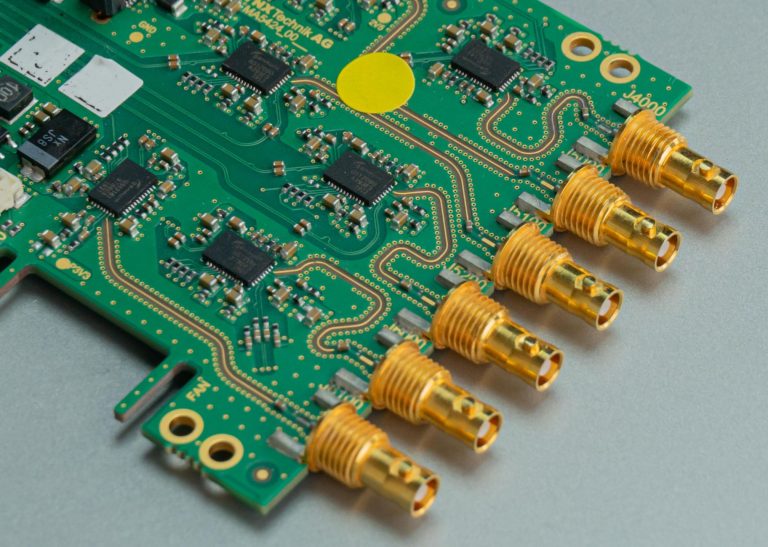
IndexBox’s analysis puts the market index at roughly 142 by 2035, using 2025 as a baseline of 100. The firm attributes the growth to high-reliability printed circuit board (PCB) assembly and the continued shift toward lead-free soldering in both automotive and consumer electronics. Regionally, IndexBox notes that the Middle East and Africa remain a small but expanding market, driven mainly by electronics repair shops and small-scale manufacturing rather than large industrial output.
A Broader Solder Flux Market Is Expanding Too
The water-soluble segment is part of a larger solder flux market that’s also on an upward trajectory. According to a strategic business report covered by GlobeNewswire, the global solder flux market was valued at $258.9 million in 2025 and is expected to reach $382.2 million by 2032, growing at a 5.7% compound annual rate. For 2026 specifically, the market is projected to hit $268.0 million.

That broader growth is being pushed by several overlapping forces: rising electronics production, the ongoing transition away from lead-based solder, increased electric vehicle manufacturing, renewable energy investment, and continued innovation in flux chemistry. Electronics miniaturization, denser circuit boards packed into smaller devices, is also raising the bar for flux performance, since defect-resistant solder joints matter more as components shrink.
Why Water-Soluble Flux Specifically?
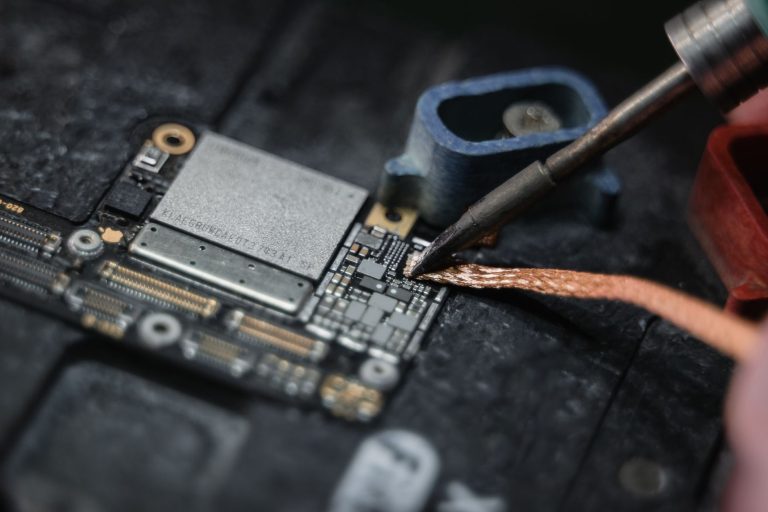
Water-soluble fluxes are prized in electronics assembly because they can be rinsed off after soldering without leaving corrosive residue behind, a critical requirement for circuit boards that need to function reliably over years of use. As IndexBox points out, the demand drivers through 2035 include the sustained expansion of electric vehicle production, the rollout of 5G and 6G network infrastructure, and advancements in artificial intelligence hardware, all of which require dense, high-reliability electronic assemblies.
This is a different use case than the flux most welders and metal fabricators encounter day to day. Submerged arc welding flux, for instance, serves shipbuilding and pipeline work, while flux-cored arc wire is tied to automated welding in heavy fabrication. But the underlying economics, rising raw material demand pulling on shared supply chains for metallurgical consumables, can still ripple into pricing and availability for welding shops.
What This Means for Metal Fabrication Shops
For welders and fabricators who don’t work directly in electronics, the headline growth numbers aren’t a direct concern. But the trend is worth watching for a few reasons:
- Raw material suppliers often serve both electronics and industrial welding markets, so sustained demand growth in one segment can affect lead times or costs in adjacent ones.
- The push toward lead-free, more reliable soldering reflects a broader industry move toward stricter quality and environmental standards, a pattern also showing up in welding codes and material specifications.
- Growth in EV production and renewable energy infrastructure, cited as drivers for the flux market, also fuels demand for structural welding, metal enclosures, and custom fabrication work tied to those same industries.
Shops that handle a mix of soldering and welding work, common in electronics enclosures, control panel fabrication, and precision metalwork, may feel this shift most directly. Getting flux selection right matters just as much as choosing the correct welding process for the job, whether that’s TIG welding for precision work or MIG/MAG welding for faster production runs.
The Bigger Picture on Metal Consumables
Flux markets, whether for soldering electronics or welding steel, tend to track the health of manufacturing sectors they feed into. The forecasts from IndexBox and the solder flux industry report both point to the same underlying story: electronics and EV manufacturing are expanding, and the materials that support reliable, defect-free joints are expanding with them.
For fabricators choosing between joining methods and materials on a given project, understanding these broader supply trends can help with planning. Comparing brazing versus soldering fundamentals, for example, remains relevant when deciding which joining method best suits a part’s reliability requirements and expected service life, a consideration that mirrors exactly what’s driving demand in the electronics flux market.
No pricing guidance or supply disruption has been reported yet tied to these forecasts; both reports describe medium- to long-term projections rather than current shortages. Fabrication shops sourcing flux or solder consumables should still check with suppliers directly for current lead times and pricing, since forecast reports reflect modeled trends rather than real-time market conditions.